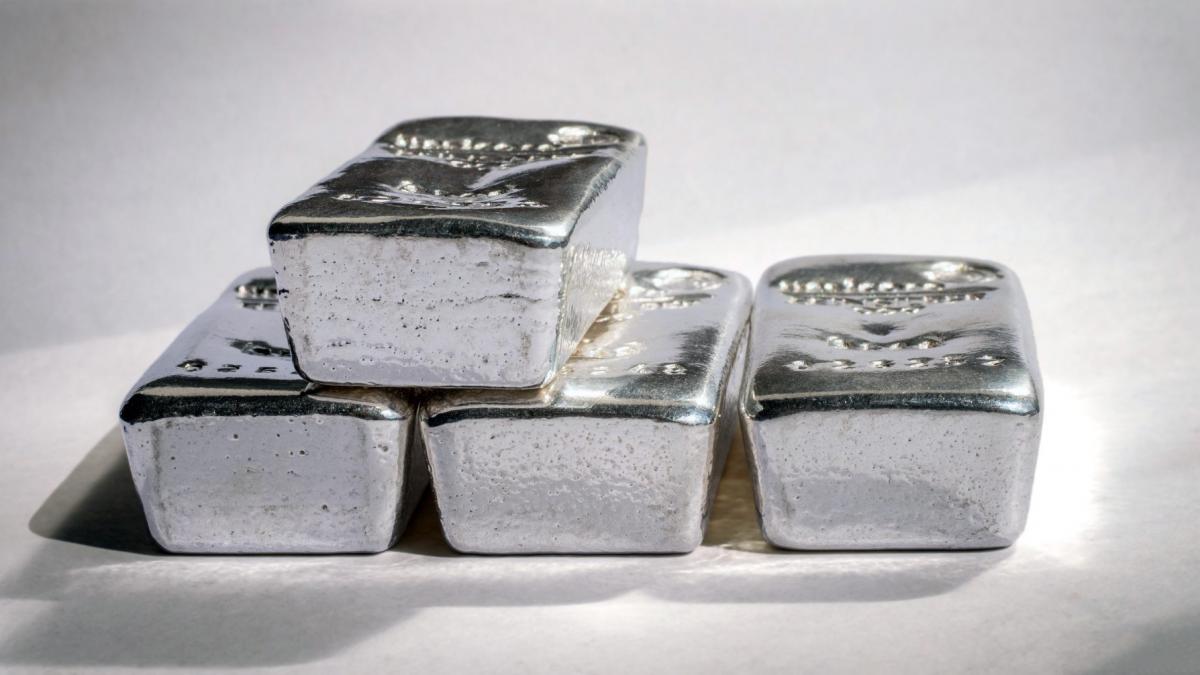
In the high-stakes arena of global commodities, few elements command as much strategic attention as rhodium. Often eclipsed in public discourse by gold or platinum, this rare transition metal has periodically surged to valuations that dwarf traditional precious metals, sometimes trading at prices ten times higher than gold. As a chief editor with years of experience monitoring market volatility, I have observed how rhodium—a key component in catalytic converters—has become a focal point of economic anxiety, driven by a highly concentrated supply chain.
The global market for rhodium is defined by an extreme geographic dependency. According to data from the United States Geological Survey (USGS), the vast majority of the world’s platinum-group metals (PGMs), which include rhodium, are extracted in South Africa and Russia. This concentration creates a precarious situation for industries reliant on the metal, particularly the automotive sector, which accounts for the lion’s share of global demand as manufacturers use it to reduce toxic emissions in internal combustion engines.
The Economics of Scarcity: Why Rhodium Outperforms Gold
To understand why rhodium occasionally reaches prices exceeding $20,000 per troy ounce—a peak witnessed during the supply chain disruptions of 2021—one must look at the mechanics of supply and demand. Unlike gold, which is widely held as a store of value and traded in deep, liquid markets, rhodium is an industrial metal with few primary mines. It is almost exclusively produced as a byproduct of platinum and nickel mining.
Market dynamics for such rare materials are inherently volatile. When South African mining operations face labor strikes, power grid instability, or logistical bottlenecks, the global supply of rhodium contracts almost instantly. Because there is no significant secondary market for “recycled” rhodium compared to the massive stockpiles of gold, users have limited options to hedge against sudden shortages. The USGS Mineral Commodity Summaries 2024 notes that South Africa remains the dominant global producer, consistently providing the majority of the world’s supply, followed by Russia.
This geographic concentration turns the metal into a geopolitical lever. When supply chains are threatened, the price reflects not just the cost of extraction, but the premium of scarcity. For investors and policymakers, this serves as a stark reminder of the “critical minerals” challenge—a topic I have analyzed extensively throughout my career at the intersection of economic policy and global markets.
Strategic Importance and Industrial Vulnerability
The automotive industry is the primary consumer of rhodium, utilizing its unique chemical properties to catalyze the conversion of harmful nitrogen oxides (NOx) into less toxic nitrogen and oxygen. As global emissions standards tighten, the demand for rhodium in catalytic converters has historically remained robust, even as the world transitions toward electric vehicles (EVs).
However, the shift toward battery-electric vehicles presents a long-term paradox for the rhodium market. While EVs do not require catalytic converters, the global fleet of internal combustion engines will remain on the roads for decades. The demand for rhodium for vehicle maintenance and new production continues to influence market pricing. The International Energy Agency (IEA) has highlighted that while clean energy transitions reduce reliance on certain fossil-fuel-linked materials, the demand for critical minerals—including those in the PGM family—remains essential for bridge technologies and industrial processes.
Key Takeaways: Understanding the Rhodium Market
- Geographic Concentration: Approximately 80% to 90% of global rhodium production is concentrated in South Africa and Russia, creating significant supply chain vulnerability.
- Byproduct Status: Rhodium is rarely mined for its own sake; it is a byproduct of platinum and nickel mining, meaning supply cannot be easily ramped up to meet demand spikes.
- Price Volatility: Because the market is thin and lacks large stockpiles, price swings are often extreme, with historical peaks far exceeding the spot price of gold.
- Industrial Dependency: The automotive sector remains the primary driver of demand, specifically for emissions control technology.
The Future of Critical Mineral Governance
Looking ahead, the volatility of rhodium serves as a case study for the broader “critical minerals” debate. Governments worldwide are increasingly treating these materials as national security assets. In the United States, the Department of Energy and other international bodies are actively seeking to diversify supply chains to prevent the kind of market shocks that have historically plagued the rhodium sector. This includes increased investment in domestic mining, recycling technology, and the development of synthetic alternatives.
For the average investor, rhodium remains a high-risk, high-reward asset that is notoriously difficult to trade directly. Unlike gold ETFs or physical bullion coins, rhodium is typically traded in the form of industrial sponge or bars through specialized dealers, often carrying high premiums and significant storage complexities. My advice to those exploring this space is to prioritize fundamental research into industrial demand cycles rather than speculative short-term trends.
As we move into the next quarter, market participants should watch for updates from major South African PGM producers regarding operational capacity and power-related constraints, which remain the single largest variable in rhodium pricing. The next official review of global mineral production by the USGS is scheduled for early 2025, providing a clearer picture of whether production shifts are mitigating current geographic dependencies.
What are your thoughts on the role of critical minerals in the global economy? Join the conversation below and share your perspective on how industries should manage the risks of supply chain concentration.
Worth a look