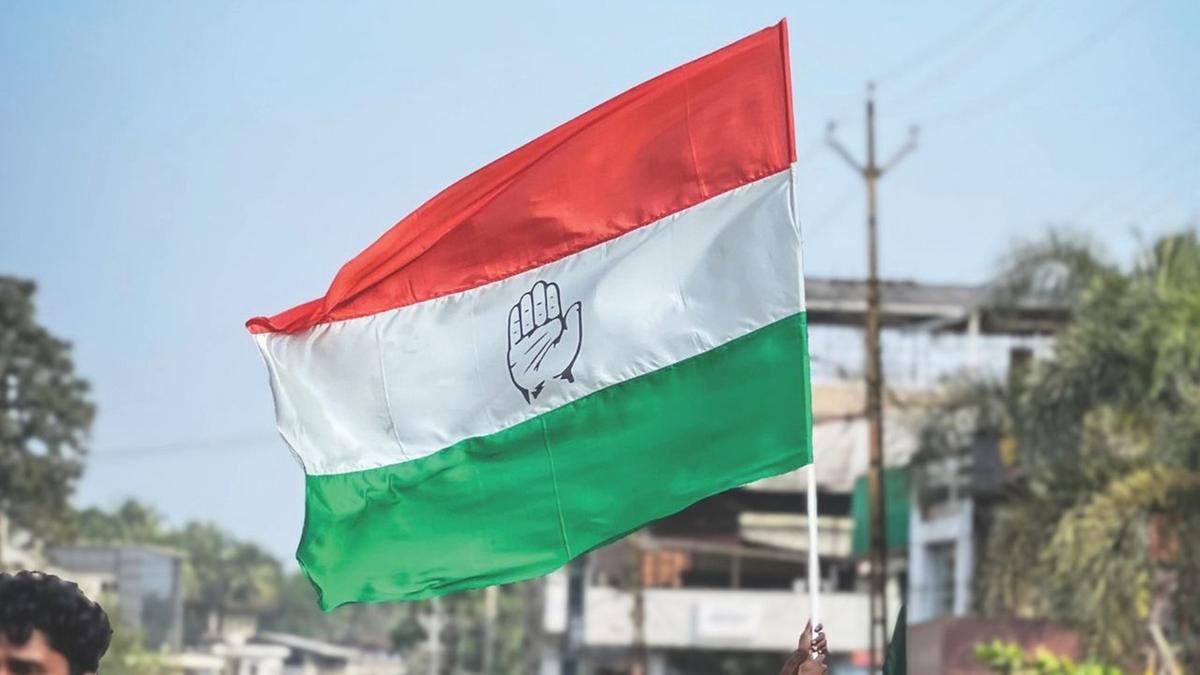
Kerala’s Chief Minister Race: Why Congress’s Leadership Choice Will Shape the State’s Future
After a decade in opposition, Kerala’s United Democratic Front (UDF) has returned to power with a commanding 102-seat majority in the state assembly, ending the Left Democratic Front’s (LDF) decade-long rule. But the real challenge now begins: selecting the next chief minister. With three prominent leaders—VD Satheesan, KC Venugopal, and Ramesh Chennithala—vying for the top position, the decision will not only determine the state’s governance trajectory but also test the Congress party’s ability to balance internal factions and maintain coalition stability.
The stakes are high. The UDF’s victory, built on a platform of anti-incumbency and promises of economic revival, has energized supporters but also intensified internal debates over leadership. Satheesan, the current Leader of the Opposition, is widely seen as the frontrunner, credited with reviving the party’s electoral fortunes. But Venugopal and Chennithala represent competing visions—experience and organizational strength versus generational renewal and policy focus.
This article explores the three-way race, the political dynamics at play, and why the choice of chief minister will resonate far beyond Kerala’s borders. It also examines the broader implications for India’s political landscape, where state-level leadership decisions often set precedents for national trends.
Key Takeaways
- Satheesan’s Frontrunner Status: VD Satheesan is the leading candidate, having revitalized the UDF’s electoral performance and secured key bypoll victories. His assertive leadership style and strong organizational skills have made him the preferred choice for many within the party.
- Venugopal’s High-Command Backing: KC Venugopal, as AICC General Secretary, represents the Congress high command’s influence, offering stability and a direct link to national leadership.
- Chennithala’s Policy Focus: Ramesh Chennithala, a senior leader with a reputation for policy expertise, could appeal to younger voters and those seeking a more programmatic approach to governance.
- Coalition Dynamics: The Indian Union Muslim League (IUML) and other allies are closely watching the selection process, with Satheesan’s candidacy currently enjoying their support.
- Generational Shift vs. Experience: The debate reflects broader tensions within the Congress between generational renewal and the need for experienced leadership in a politically complex environment.
- Impact on National Politics: Kerala’s choice could influence the Congress’s strategy ahead of upcoming national elections, particularly in states where similar leadership debates are unfolding.
The Three-Way Race: Who Will Lead Kerala?
With the LDF’s defeat and incumbent Chief Minister Pinarayi Vijayan’s resignation, the UDF now holds the reins of power in Kerala. The party’s victory—securing 102 of the 140 assembly seats—marks a historic return after a decade in opposition. Yet, the real drama is unfolding behind the scenes: who will emerge as the next chief minister?
The three frontrunners—VD Satheesan, KC Venugopal, and Ramesh Chennithala—each bring distinct strengths to the table. Satheesan, the current Leader of the Opposition, has been the public face of the UDF’s resurgence. His leadership during the 2024 Lok Sabha elections, where the UDF won 18 of 20 seats, and his role in key bypoll victories have solidified his position as the frontrunner. Satheesan’s ability to rally the party and project a strong opposition narrative has earned him the backing of critical allies, including the IUML.
Venugopal, serving as the AICC General Secretary, represents the Congress high command’s influence. His deep connections with national leadership and organizational experience make him a safe choice for those prioritizing stability and continuity. Meanwhile, Chennithala, a senior leader with a reputation for policy acumen, could appeal to voters seeking a more programmatic and forward-looking approach.
Each candidate embodies a different facet of the Congress’s internal dynamics. Satheesan’s candidacy symbolizes a generational shift and a break from the past, while Venugopal’s selection would underscore the party’s commitment to institutional stability. Chennithala, with his policy focus, could bridge the gap between the party’s traditional base and younger, more ideologically driven voters.
Why the Choice Matters
The selection of Kerala’s next chief minister is more than a routine leadership transition—it is a defining moment for the UDF and the Congress party as a whole. Kerala has long been a political bellwether in India, and the state’s governance model often sets trends for other regions. The choice will shape:

- Policy Priorities: Will the new government focus on economic revival, social welfare, or infrastructure development? Each candidate has a distinct policy agenda, and their selection will determine the state’s immediate priorities.
- Coalition Stability: The UDF’s alliance includes regional parties like the IUML, whose support is crucial for governance. The choice of chief minister must balance the interests of all coalition partners to avoid early fractures.
- Internal Cohesion: The Congress party in Kerala is not monolithic. Satheesan’s candidacy has already sparked internal debates, with some factions favoring Venugopal’s experience or Chennithala’s policy expertise. The selection process must navigate these tensions to prevent long-term divisions.
- National Implications: Kerala’s leadership choice could influence the Congress’s strategy ahead of the 2029 general elections. A successful transition in Kerala could boost the party’s morale and provide a model for other states where similar leadership debates are unfolding.
The Frontrunner: VD Satheesan’s Path to Power
VD Satheesan’s rise to prominence has been meteoric. After the UDF’s back-to-back defeats in 2016 and 2021, Satheesan took over as Leader of the Opposition and embarked on a mission to rebuild the party’s organizational and electoral base. His leadership during this period has been marked by three key achievements:
- Electoral Revival: Under Satheesan’s leadership, the UDF secured 18 of 20 seats in the 2024 Lok Sabha elections and performed strongly in the 2025 local body polls. These victories demonstrated his ability to mobilize voters and project a compelling alternative to the LDF.
- Key Bypoll Wins: Satheesan played a pivotal role in the UDF’s victories in critical bypolls, including Thrikkakara, Puthuppally, and Nilambur. These wins not only boosted the party’s morale but also signaled a shift in voter sentiment.
- Assertive Leadership: Satheesan’s firm handling of internal party matters and his unapologetic criticism of the LDF government earned him a reputation as a strong and decisive leader. His ability to take bold positions—such as targeting Chief Minister Pinarayi Vijayan on governance issues—further cemented his standing within the party.
Satheesan’s candidacy is also backed by critical allies, including the IUML. The party’s support is vital for the UDF’s coalition stability, and Satheesan’s ability to secure this backing underscores his appeal beyond the Congress’s core constituency.
“The UDF has fulfilled its promise to return to power. Now, we must ensure that this victory translates into effective governance and development for the people of Kerala.”
—VD Satheesan, after the Assembly results (as reported in Hindustan Times)
KC Venugopal: The High Command’s Candidate
KC Venugopal, serving as the AICC General Secretary, represents the Congress high command’s influence in Kerala. His candidacy is often framed as a compromise choice—one that prioritizes stability, institutional continuity, and a direct link to national leadership.
Venugopal’s strengths lie in his organizational skills and deep connections within the party. As a senior leader, he has played a key role in mediating internal conflicts and ensuring smooth coordination between the state and national units of the Congress. His selection would signal the party’s commitment to maintaining its institutional integrity, particularly in a state as politically complex as Kerala.
However, Venugopal’s candidacy also faces challenges. Some within the party view him as a “safe” choice—one that avoids the risks associated with Satheesan’s more assertive leadership style. Critics argue that Venugopal lacks the same level of electoral charisma and may struggle to inspire the same level of enthusiasm among voters.
Ramesh Chennithala: The Policy Expert
Ramesh Chennithala, a senior Congress leader with a reputation for policy expertise, represents a third path. His candidacy appeals to those within the party who believe that Kerala’s next chief minister should focus on substantive policy rather than electoral politics.
Chennithala’s strengths lie in his ability to articulate clear policy positions and his experience in governance. He has been a vocal advocate for economic reforms, social welfare initiatives, and infrastructure development—issues that resonate with a broad cross-section of Kerala’s electorate. His candidacy could also appeal to younger voters who are seeking a more forward-looking and ideologically driven leader.
However, Chennithala’s path to the chief minister’s post is not without obstacles. His candidacy has been overshadowed by Satheesan’s momentum, and some within the party question whether he has the same level of organizational support or electoral appeal. Chennithala’s policy-focused approach may not resonate with voters who are more concerned with immediate economic relief and social welfare.
The Role of Alliances and External Factors
The selection process is not taking place in a vacuum. The UDF’s coalition includes regional parties like the IUML, whose support is critical for governance. The IUML’s backing of Satheesan’s candidacy has already sent ripples through the party, with some factions expressing concerns that the selection process is moving too quickly or without sufficient consultation.
the Congress high command’s role in the decision cannot be underestimated. While the state unit of the party has significant autonomy, the national leadership’s views will carry weight, particularly in a state as strategically important as Kerala. Venugopal’s candidacy, in particular, is seen as a bridge between the state and national units, ensuring that the party’s interests remain aligned.
Externally, the BJP’s marginal presence in Kerala—securing just three seats in the assembly—has reduced the pressure on the UDF to form an unstable coalition. However, the party must still navigate the complexities of governance in a state where political alliances are fluid and voter expectations are high.
What Happens Next?
The next few weeks will be critical as the Congress party navigates the leadership selection process. Key developments to watch include:
- Internal Consultations: The party is expected to hold extensive consultations with its state and national leadership, as well as coalition partners. These discussions will shape the final decision and ensure that the chosen candidate enjoys broad-based support.
- Alliance Dynamics: The IUML and other regional parties will continue to play a pivotal role. Their support—or lack thereof—could influence the timing and outcome of the selection process.
- Public Announcement: Once a consensus is reached, the party is expected to announce its choice for chief minister. This announcement will be followed by the swearing-in ceremony, marking the formal transition of power.
- Government Formation: The new chief minister will then begin the process of forming a government, appointing key ministers, and outlining the UDF’s legislative agenda for the next five years.
The selection process is also being closely watched by political analysts and voters alike. Kerala’s political landscape is unique, and the choice of chief minister will have far-reaching implications for the state’s governance and the broader political ecosystem in India.
Broader Implications for Indian Politics
Kerala’s leadership transition is not just a state-level affair—it is a microcosm of the broader challenges facing the Congress party in India. The party is currently in a period of introspection, grappling with internal divisions, electoral setbacks, and the need to redefine its relevance in a rapidly changing political landscape.
The UDF’s victory in Kerala offers the Congress a rare moment of optimism. However, the leadership selection process must address the party’s structural weaknesses—particularly its inability to project a unified and compelling narrative. The choice of chief minister will be a litmus test of the Congress’s ability to overcome these challenges and restore its electoral fortunes.
Kerala’s model of governance—particularly its focus on social welfare, education, and healthcare—has long been admired by other states. The new government’s ability to deliver on its promises will not only shape Kerala’s future but also influence policy debates across India.
What Voters Want
As the leadership race intensifies, it is important to consider what Kerala’s voters are seeking from their next chief minister. Surveys and public sentiment suggest that voters are prioritizing:
- Economic Revival: After a decade of LDF rule, many voters are eager for a new approach to economic development, particularly in sectors like tourism, agriculture, and manufacturing.
- Social Welfare: Kerala has long been a leader in social welfare initiatives, and voters expect the new government to maintain and expand these programs, particularly in healthcare and education.
- Anti-Corruption Measures: The LDF’s tenure was marred by allegations of corruption and mismanagement. Voters are looking for a government that prioritizes transparency and accountability.
- Infrastructure Development: Kerala’s rapid urbanization has created a pressing need for improved infrastructure, including transportation, housing, and public services.
The chosen chief minister will need to address these expectations while navigating the complexities of coalition governance and internal party dynamics.
Frequently Asked Questions
1. Who is the most likely candidate to become Kerala’s next chief minister?
As of now, VD Satheesan is widely seen as the frontrunner. His strong electoral performance, organizational skills, and backing from key allies like the IUML have positioned him as the preferred choice for many within the UDF.
2. What role does the Congress high command play in this decision?
The Congress high command’s influence is significant, particularly through KC Venugopal, who serves as the AICC General Secretary. While the state unit of the party has autonomy, the national leadership’s views will carry weight in the final decision.
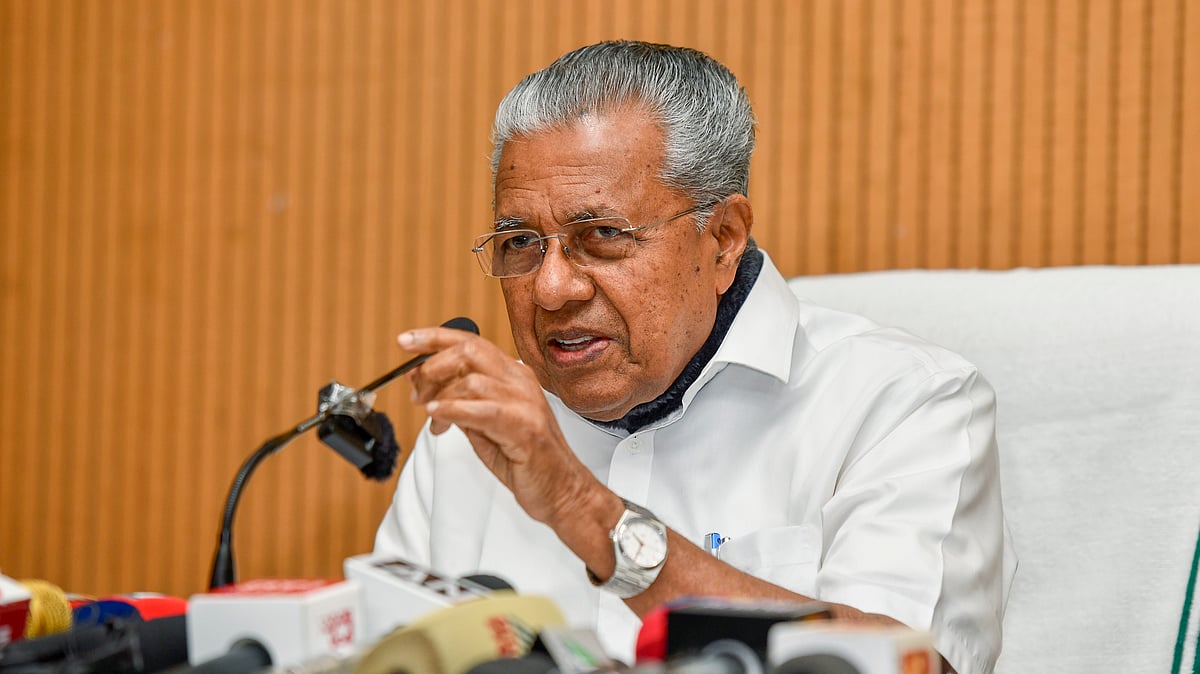
3. How will the choice of chief minister affect Kerala’s governance?
The choice will shape policy priorities, coalition stability, and internal party dynamics. Each candidate represents a different vision—Satheesan’s generational shift, Venugopal’s stability, and Chennithala’s policy focus—each of which will influence the state’s governance trajectory.
4. What are the key challenges facing the new government?
The new government will need to address economic revival, social welfare, anti-corruption measures, and infrastructure development. Maintaining coalition stability and navigating internal party dynamics will be critical challenges.
5. How does Kerala’s leadership transition impact national politics?
Kerala’s choice could influence the Congress’s strategy ahead of the 2029 general elections. A successful transition in Kerala could boost the party’s morale and provide a model for other states facing similar leadership debates.
The selection of Kerala’s next chief minister will be a defining moment for the state and the Congress party. We welcome your insights and perspectives on this critical decision. Share your thoughts in the comments below or share this article with others who are following Kerala’s political developments.
The next confirmed checkpoint in this process will be the formal announcement of the UDF’s choice for chief minister, expected within the next two weeks. The swearing-in ceremony will follow shortly afterward, marking the official transition of power in Kerala.
Related reading
- Hungary Energy Crisis: Paks Nuclear Power Plant Facing Potential Shutdown Due to Low Danube Water Levels
- Styrian Bears Win Dramatic Iron Bowl IX Against Maribor Generals
- The Congressional Review Act, Explained: How Congress Kills Federal Rules (daybreakwire.com)
- At typically tranquil Camp David, Trump publicly lashes out at political enemies (archyworldys.com)