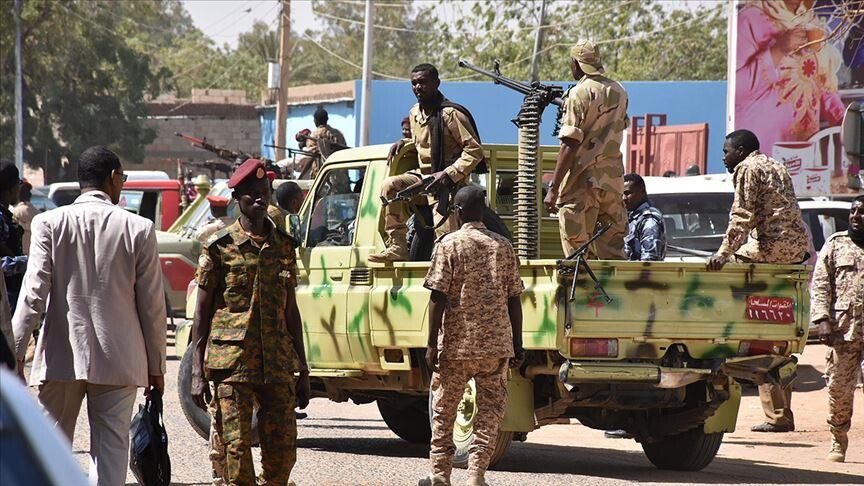
The military government of Mali is facing a critical security crisis following a series of massive, coordinated attacks on April 25, 2026, that targeted the heart of the state’s politico-military apparatus. These operations, carried out by a unified front of Islamic militants and Tuareg separatists, have not only shaken the capital, Bamako, but have resulted in the loss of strategic northern strongholds, raising urgent questions about the effectiveness of the junta’s current security strategy.
The scale of the offensive has forced the ruling military junta, led by Col Assimi Travelïta, to lean more heavily on its key ally, Russia. Following the attacks, the junta leader met with Russia’s ambassador to Bamako, as the Kremlin characterized the events as a coup attempt. However, the reliance on foreign mercenaries has met with mixed results on the ground, as strategic positions have fallen despite the presence of Russian forces.
The most significant blow to the military’s prestige occurred in the north, where the strategic camp of Tessalit was surrendered. On May 1, 2026, Mali’s army and its Russian mercenary allies surrendered the Tessalit “super-camp” to armed rebels according to reporting by RFI. This loss followed the earlier fall of the key town of Kidal, where the Azawad Liberation Front (FLA) and jihadist groups established control after fierce fighting.
Amidst this instability, reports have emerged suggesting that the ease with which these positions were seized may be linked to internal failures. Investigations into the April 25 attacks have pointed toward presumed military complicity, suggesting that elements within the Malian armed forces may have collaborated with the insurgents to facilitate the breaches.
The Fall of Tessalit and the Northern Front
The loss of Camp Tessalit marks a turning point in the conflict, signaling a coordinated effort by the Azawad Liberation Front (FLA) and al-Qaeda-linked groups, such as Jama’at Nusrat al-Islam wal-Muslimin (JNIM), to dismantle the junta’s control over the north. An official from the FLA confirmed to AFP that troops and mercenaries at the strategic stronghold had surrendered, mirroring a previous collapse in Kidal as reported by AFP.
The retreat of the “Afrika Korps” of the Russian Ministry of Defense from these areas has been a focal point of international analysis. Although some reports indicate that agreements were reached for the withdrawal of Russian forces from Tessalit as early as April 26, 2026, the vacuum left behind was rapidly filled by rebel forces. This pattern suggests a breakdown in the synergy between the Malian state and its Russian security partners.
The strategic importance of these northern camps cannot be overstated. They serve as the primary hubs for projecting power into the desert regions. Their loss effectively cedes vast swaths of territory to a coalition of separatists and jihadists who, despite differing long-term goals, have found common cause in the removal of the Bamako-based military regime.
Pressure on Bamako: Blockades and Political Fragility
While the north is slipping away, the capital, Bamako, has become the center of a tightening vice. The April 25 attacks involved simultaneous “complex attacks” in Kati, near the airport and other urban centers including Mopti and Gao according to reports from The Times
. These operations were designed to demonstrate that the junta is unable to protect its own seat of power.
Adding to the military pressure is a crippling blockade of key roads leading into Bamako. This blockade, largely driven by JNIM, has targeted fuel supplies and essential goods, creating a humanitarian and economic crisis within the city. This strategy aims to erode public support for the junta by making the cost of their continued rule unbearable for the civilian population.
The political fallout has been immediate. International observers and regional specialists warn that the regime is under unprecedented pressure. The ability of the junta to maintain order in the capital while losing territory in the north has created a perception of a government in retreat, further emboldening the insurgency.
Regional Implications: The Threat to Côte d’Ivoire
The instability in Mali is no longer a contained domestic issue; it is now viewed as a systemic threat to West African stability. Côte d’Ivoire, in particular, has reacted with alarm. On April 29, 2026, the Ivorian government held a Council of Ministers to address the deteriorating security situation in neighboring Mali according to KOACI.
Sahel specialist François-Xavier Freland has warned that if Mali falls completely to jihadist forces, it would represent a serious threat
to Côte d’Ivoire, potentially exporting the conflict southward as noted in Marianne
.
In response, Abidjan has taken several preventative measures:
- Border Reinforcement: Côte d’Ivoire has “muscled” its borders, increasing military presence to prevent the infiltration of armed groups.
- Refugee Planning: The government is anticipating a potential influx of refugees fleeing the violence in Mali.
- Conditional Aid: Amadou Coulibaly, the Ivorian government spokesperson, stated that while Abidjan is open to cooperation, any official assistance to Mali is conditioned upon a formal request from the Bamako government according to La Nouvelle Tribune.
Analysis: Why the Security Strategy is Failing
The current crisis exposes a fundamental flaw in the junta’s security architecture. By pivoting away from Western partnerships and relying almost exclusively on Russian mercenaries and the “Afrika Korps,” the regime sought a “strongman” approach to counter-insurgency. However, this strategy has failed to account for the complexity of the Sahelian conflict, which involves not just jihadist ideology but deep-seated ethnic and separatist grievances among the Tuareg populations.
The “complex attacks” of April 25 demonstrated a level of intelligence and coordination that suggests the insurgents have successfully penetrated the Malian military’s own communication channels. The presumed military complicity in these attacks indicates that the junta’s internal loyalty is fracturing. When soldiers on the ground feel abandoned by the center or are bribed by the insurgency, the most sophisticated weaponry becomes irrelevant.
the blockade of Bamako shows that the insurgents are now playing a “war of attrition.” By cutting off the capital, they are not just fighting a military battle but a psychological one, attempting to prove that the state can no longer provide the most basic needs of its citizens.
Key Takeaways of the April 2026 Crisis
- Strategic Losses: The surrender of Camp Tessalit and the loss of Kidal represent a major territorial defeat for the junta.
- Internal Betrayal: Investigations suggest military complicity facilitated the coordinated attacks of April 25.
- Regional Spillover: Côte d’Ivoire is actively reinforcing its borders to prevent the conflict from spreading.
- Sovereignty Crisis: The reliance on Russian forces has not prevented the collapse of key military strongholds.
- Urban Pressure: The blockade of Bamako is designed to destabilize the regime from within the capital.
As the situation evolves, the international community remains watchful. The UN Secretary-General expressed deep concern over the reports of attacks on April 25, calling for the protection of civilians via an official statement from the UN
.
The next critical checkpoint will be the junta’s response to the loss of Tessalit and whether they can break the blockade of Bamako without triggering further urban violence. The world awaits official updates from the Malian Ministry of Defense regarding the progress of the investigations into military complicity.
Do you believe the current security strategy in the Sahel is sustainable? Share your thoughts in the comments below and share this report with others following West African affairs.
Worth a look
- Tokyo Japan Restaurant in Novi Ligure: Reviews, Contact & Info
- Trump Weighs New Military Strikes on Iran Following Truce Collapse
- Ceuta Migrant Crisis: Thousands Remain Stranded After Border Breach (time.news)
- Kim Jong Un’s Sister Slams Japan As A Belligerent State Amid Military Buildup (newsdirectory3.com)