The human capacity for empathy—the ability to step into another person’s emotional landscape and offer genuine solace—is one of the most vital components of social cohesion. In high-pressure environments, whether in the locker rooms of professional sports or the complexities of modern corporate life, the presence of a “comforter” can be the difference between a total collapse and a successful recovery. This instinct to heal others’ emotional wounds is often viewed through various lenses, including psychology and the ancient traditions of astrology.
While personality is shaped by a myriad of factors including upbringing and experience, many people glance to the stars to understand these innate tendencies. In the study of astrological archetypes, certain signs are consistently identified as the zodiac signs most likely to comfort others, possessing a natural inclination toward what is often called emotional labor
—the effort required to manage one’s own emotions to support the emotional state of another.
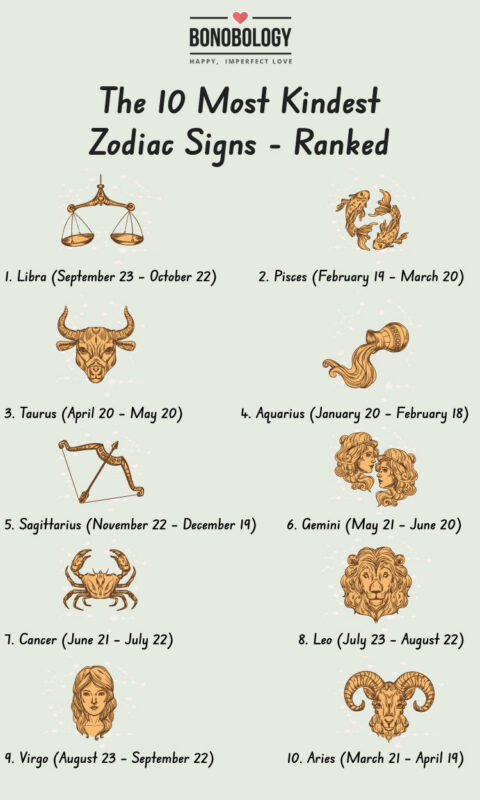
Understanding these traits is not merely about celestial alignment; It’s about recognizing the different ways humans provide support. Some offer a shoulder to cry on, while others provide the practical stability needed to move forward. By examining the five signs traditionally associated with kindness, loyalty and the desire to alleviate the suffering of others, we can gain a better perspective on the diverse ways empathy manifests in our daily interactions.
The Empathetic Core: Water Signs and Emotional Depth
In astrological tradition, the Water signs—Cancer, Scorpio, and Pisces—are regarded as the most emotionally intuitive. Among these, Pisces and Cancer are frequently cited as the primary caregivers of the zodiac. Their approach to comfort is rooted in a deep, often intuitive, understanding of another person’s pain, allowing them to provide a mirror of empathy that makes the sufferer feel truly seen.
Pisces is often described as the most compassionate sign of the zodiac. Because they are believed to possess a porous emotional boundary, they don’t just observe another’s sadness; they often feel it. This makes them exceptionally effective at providing emotional validation. According to general astrological frameworks, a Pisces’ method of comfort is often spiritual or imaginative, helping others find a sense of hope or a new perspective when they feel trapped by their circumstances.
Cancer, governed by the Moon, focuses its nurturing energy on protection, and security. If Pisces is the emotional mirror, Cancer is the emotional sanctuary. Their instinct is to create a safe space—physical or emotional—where a distressed person can retreat and heal. This “maternal” energy is not limited to gender but is a fundamental trait of the sign, manifesting as a fierce loyalty and a drive to ensure that those in their inner circle are cared for and emotionally sustained.
The Pillars of Stability: Earth Signs and Practical Solace
While Water signs provide the emotional atmosphere for healing, Earth signs—specifically Taurus and Virgo—offer the grounding necessary for recovery. Their brand of comfort is less about shared tears and more about tangible action. In the world of sports psychology, This represents akin to the teammate who doesn’t just say it will be okay
but helps you analyze the mistake and creates a plan to fix it.
Taurus is traditionally viewed as the rock of the zodiac. Their strength lies in their consistency and reliability. When someone is in crisis, a Taurus provides a sense of permanence and stability that can be incredibly calming. They are often the people who stay by your side in silence, offering a steady presence that signals you are not alone. This reliability is a form of comfort that focuses on the long term, providing a foundation upon which a distressed person can rebuild their confidence.
Virgo’s approach to comforting others is rooted in acts of service. For a Virgo, the most effective way to alleviate someone’s distress is to remove the stressors causing it. They are the ones who will organize your schedule, handle the chores you’ve neglected during a depression, or research the best professional help available. This practical empathy is a vital counterpoint to purely emotional support, as it addresses the external chaos that often exacerbates internal pain.
The Harmonizers: Libra and the Art of Diplomacy
Rounding out the list is Libra, an Air sign governed by Venus. Unlike the deep dive of the Water signs or the practical grounding of the Earth signs, Libra focuses on balance and harmony. Their desire to comfort others stems from an innate discomfort with conflict and distress; they seek to restore equilibrium to the environment.
Libras are the diplomats of the zodiac, often utilizing their communication skills to talk someone through a crisis. They are skilled at seeing all sides of a situation, which allows them to offer a balanced perspective that can help a distressed person move past a binary of right vs. Wrong
or success vs. Failure
. Their comfort is characterized by a gentle, refined approach, aiming to lift the mood and bring a sense of peace back to the relationship.
Comparative Approaches to Emotional Support
The way these signs provide comfort varies significantly based on their elemental nature. While a Pisces might cry with you, a Taurus will sit with you in silence, and a Virgo will make you a meal and organize your files. Each approach serves a different psychological need during a period of distress.
| Zodiac Sign | Element | Primary Comfort Style | Key Strength |
|---|---|---|---|
| Pisces | Water | Empathetic Mirroring | Deep Emotional Validation |
| Cancer | Water | Nurturing Protection | Creating Safe Spaces |
| Taurus | Earth | Steady Presence | Reliability and Stability |
| Virgo | Earth | Practical Service | Problem-Solving and Order |
| Libra | Air | Harmonizing Dialogue | Perspective and Diplomacy |
The Psychology Behind the “Comforter” Personality
Beyond the stars, the tendency to comfort others is linked to a psychological trait known as high Agreeableness in the Five-Factor Model of personality. People who score high in agreeableness are generally more trusting, altruistic, and kind. They derive a sense of personal satisfaction from the well-being of others, which aligns closely with the traits attributed to the signs mentioned above.
But, there is a risk associated with being a natural comforter: compassion fatigue. When individuals—regardless of their zodiac sign—spend excessive energy absorbing the emotions of others without maintaining their own boundaries, they can experience burnout. This is particularly common among those with “porous” emotional boundaries, such as the Pisces archetype, who may find themselves exhausted by the weight of others’ sorrows.
To maintain their ability to support others, psychologists recommend the practice of emotional hygiene
. This includes setting clear boundaries, practicing mindfulness, and ensuring that the act of giving does not lead to self-depletion. In professional sports, we see this in the form of mandatory mental health days and the use of sports psychologists to help athletes manage the emotional weight of leadership and team support.
How to Identify and Value Your Support System
Recognizing the different types of support in your life can help you seek the right kind of comfort at the right time. If you are feeling overwhelmed by a chaotic situation, the practical support of a Virgo or the stability of a Taurus may be more beneficial than a shared emotional experience. Conversely, if you are grieving a loss, the deep empathy of a Pisces or the nurturing warmth of a Cancer may be exactly what is needed to begin the healing process.
Valuing these traits in others encourages a culture of kindness. In a world that often prioritizes individual achievement and “toughness,” the willingness to be vulnerable and provide emotional support is a profound strength. Whether these tendencies are written in the stars or forged through experience, they are the threads that hold communities together during their darkest hours.
As we move forward in an era of increasing digital isolation, the role of the “emotional anchor” becomes even more critical. By understanding and appreciating the diverse ways people offer kindness, we can build more resilient support networks and foster a society where no one has to carry their burdens alone.
For those looking to deepen their understanding of emotional intelligence and the psychology of empathy, resources from recognized mental health organizations provide evidence-based strategies for providing support and managing compassion fatigue.
While there are no upcoming official “astrological hearings” or regulatory dates, the ongoing dialogue between psychology and personality studies continues to evolve, offering new insights into how we relate to and support one another.
Do you have a “rock” in your life who always knows how to comfort you? Share your experiences with empathy and support in the comments below.
Related reading