
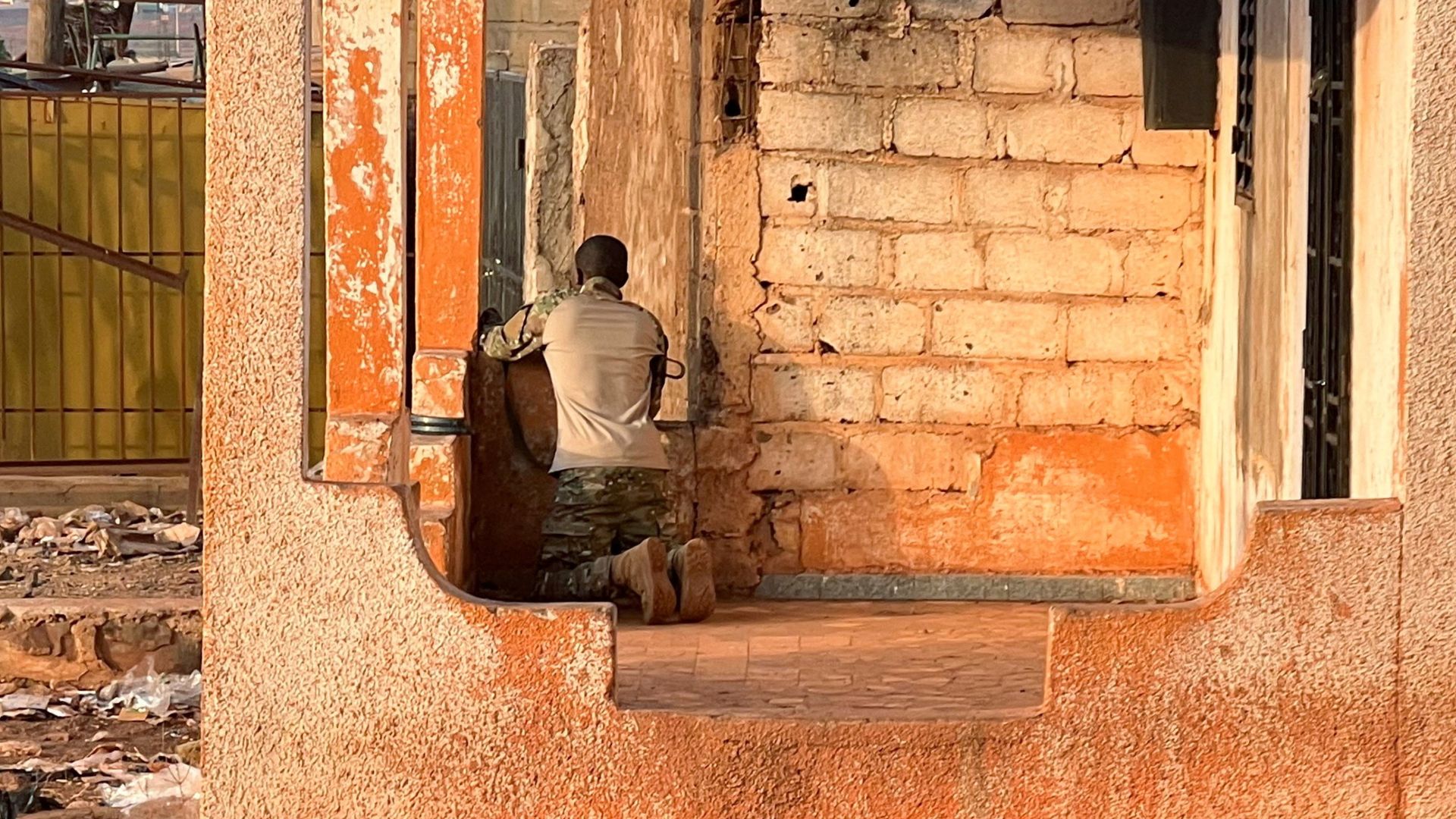
Terrorist groups launched a coordinated series of attacks across Mali on Saturday, April 25, 2026, targeting military installations and urban centers in what authorities described as a nationwide assault. The Malian army reported engaging unidentified armed groups in multiple locations, including the capital Bamako and surrounding areas, according to statements issued by military officials.
The attacks began before dawn, with gunfire and explosions reported near Mali’s main military base in Kati, located approximately nine miles from Bamako’s city center. Residents in Kati described sustained heavy weapons fire and automatic rifle gunfire, with some reporting helicopters patrolling overhead. An Associated Press journalist in Bamako confirmed hearing similar activity near Modibo Keïta International Airport, which is adjacent to the air base used by Mali’s air force.
Mali’s military junta leader, General Assimi Goita, resides in Kati, and local residents reported that the home of Defense Minister General Sadio Camara was targeted during the assault. Camara’s entourage later stated he was not present at the time and was safe, according to AFP reports cited by Reuters. The military said it was “engaged in eliminating the attackers” and later announced that the situation was under control, though sweeping operations continued.
Violence was not limited to the capital region. Reports emerged of gunfire and blasts in other Malian cities, including Kidal and Gao in the north, and Sevare in the central region. In Kidal, a former mayor told the Associated Press that gunmen had entered the town and taken control of some neighborhoods, leading to exchanges of fire with army forces. The Tuareg-led Azawad Liberation Front (FLA) claimed responsibility for seizing parts of Kidal and areas in Gao, though Al Jazeera could not independently verify this assertion.
Social media videos circulated showing militant convoys moving through deserted streets in Kati, while residents observed fearfully from their homes. In northern towns, footage depicted gunfire exchanges in urban areas, with visible signs of conflict including damaged infrastructure and individuals seeking shelter. The widespread nature of the attacks prompted concerns about a possible coordinated effort by multiple armed groups operating across different regions of the country.
Mali has faced persistent instability for years due to insurgencies linked to al Qaeda and Islamic State affiliates, as well as a separatist rebellion in the north. The country has been under military rule since a series of coups beginning in 2020, with Colonel Assimi Goita leading the junta. The recent attacks represent one of the most significant escalations in violence since the military consolidated power, raising questions about the effectiveness of current security strategies.
Analysts note that the simultaneous nature of the assaults across geographically dispersed locations suggests a level of coordination that could indicate either increased operational capacity among extremist groups or exploitation of perceived vulnerabilities in Mali’s security apparatus. The targeting of key military installations, including the base housing the defense minister’s residence, underscores the symbolic and strategic intent behind the attacks.
As of late Saturday, Malian authorities maintained that control had been restored in affected areas, but emphasized that operations to secure the regions and pursue remaining threats were ongoing. No official casualty figures were released by the military or government sources by the end of the day, and independent verification of losses remained limited due to access restrictions and ongoing security operations.
The international community has expressed concern over the deteriorating security situation in Mali, with regional bodies and Western nations previously urging a return to civilian governance. The attacks underscore the ongoing challenges faced by the Malian state in asserting control over its territory and protecting civilians from violence perpetrated by armed non-state actors.
For continued updates on this developing situation, readers are encouraged to consult official statements from Mali’s Ministry of Defense and verified reports from international news organizations with established bureaus in the region.
Share your thoughts on this story in the comments below, and help spread awareness by sharing this article with your network.