The political landscape of Malta has remained firmly under the influence of the Labour Party, which secured a decisive mandate in the most recent general election. As the Mediterranean nation navigates its post-election trajectory, the leadership of Prime Minister Robert Abela continues to define the domestic and international agenda, cementing a period of sustained governance for the incumbent administration. For observers of European politics, the results serve as a significant indicator of the current ideological climate within the island state.
The Labour Party’s victory, which extended its long-standing hold on power, underscores the electorate’s ongoing support for the party’s platform. This latest outcome follows a series of electoral successes that have seen the party maintain its dominance since 2013. Understanding the mechanics of the Maltese general election is essential for grasping how the current administration intends to address the complex challenges facing the country, ranging from economic stability to institutional reforms and European Union relations.
Consolidating Power in the Mediterranean
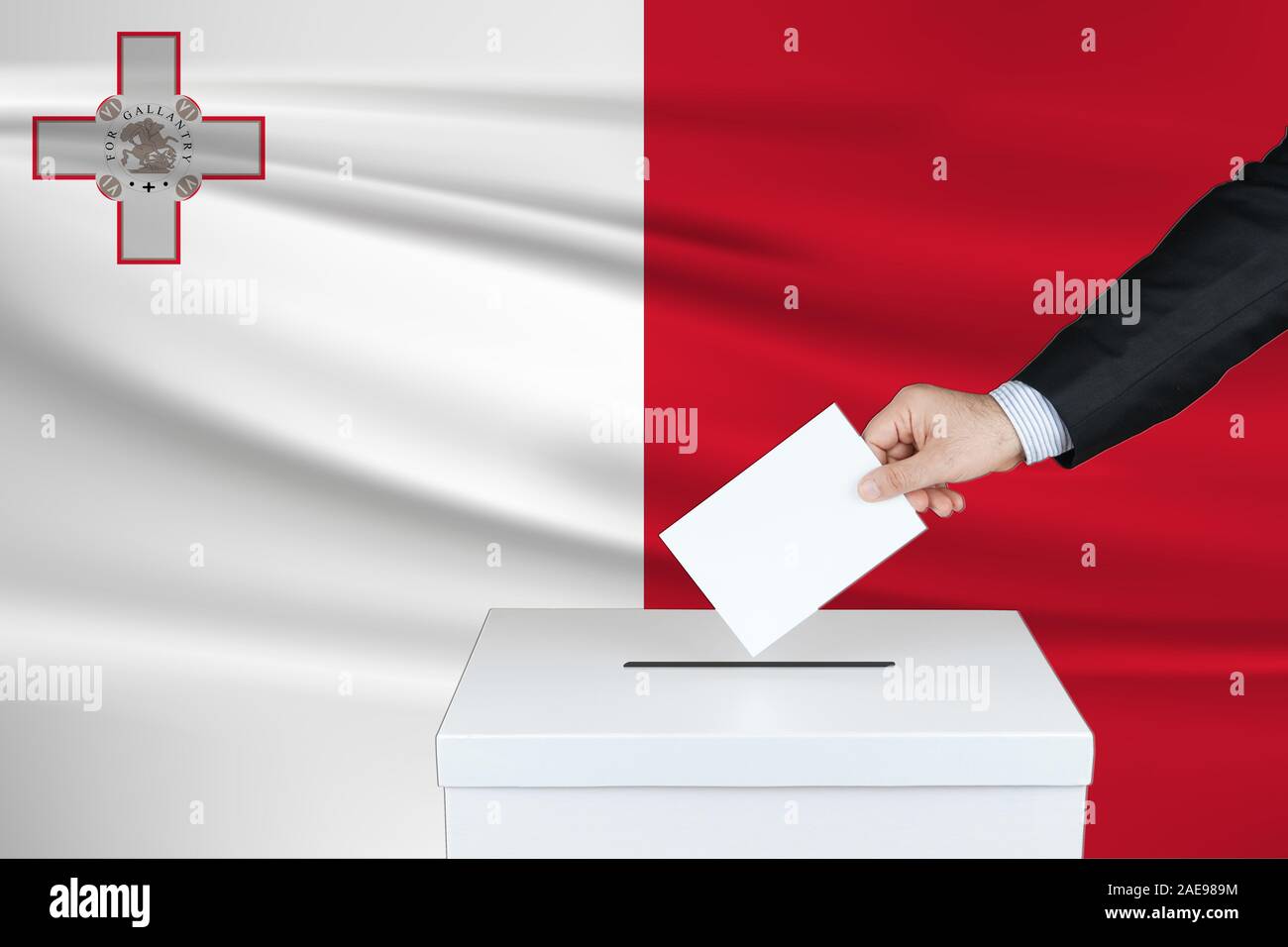
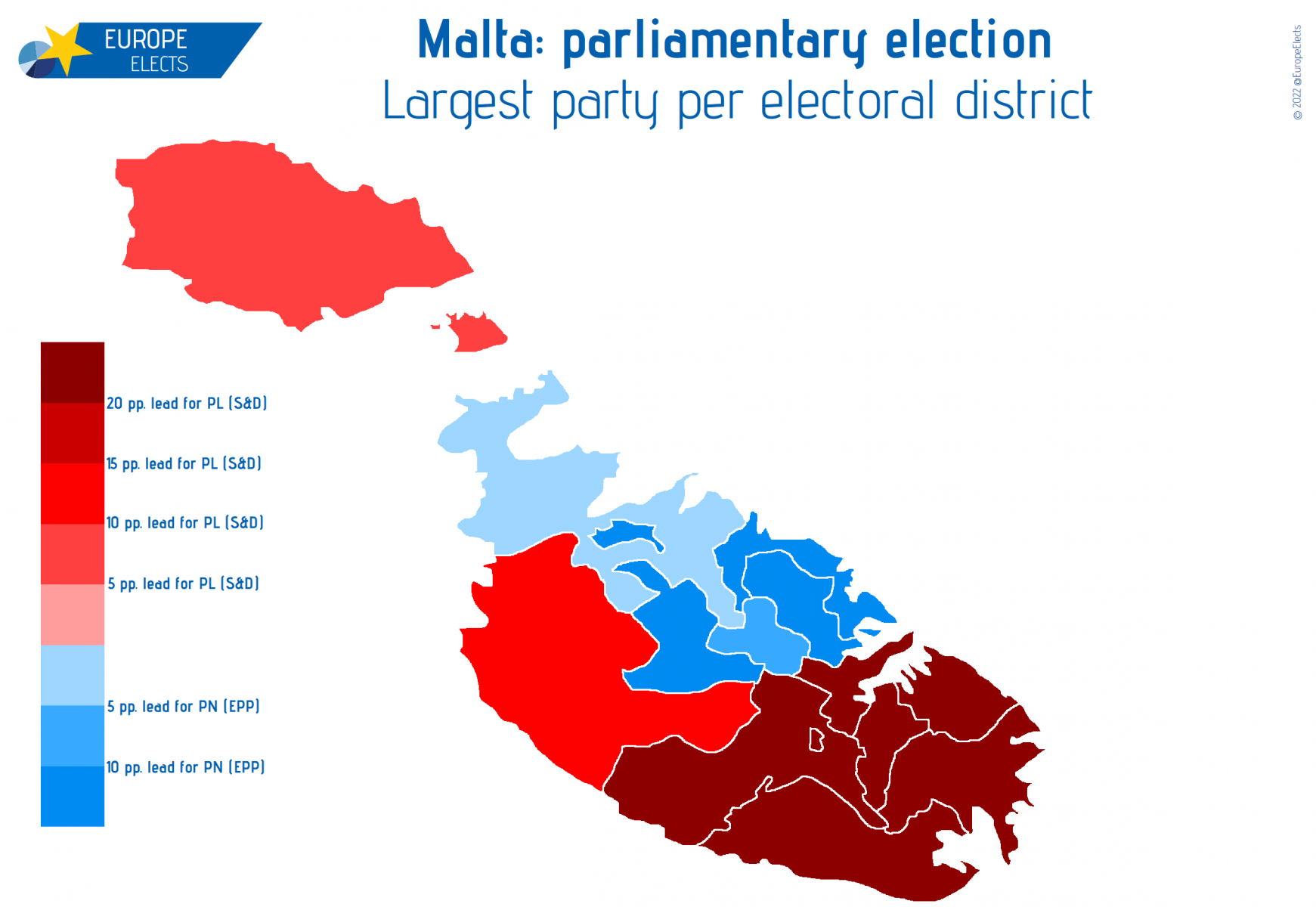
Prime Minister Robert Abela, who assumed office in January 2020 following the resignation of Joseph Muscat, successfully led his party to a significant victory in the 2022 general election. According to the Electoral Commission of Malta, the Labour Party secured a substantial parliamentary majority, reflecting a consistent trend of voter preference. The electoral process, which utilizes a complex Single Transferable Vote (STV) system, remains a hallmark of Maltese democracy, ensuring that voter preferences are represented through a proportional distribution of seats.
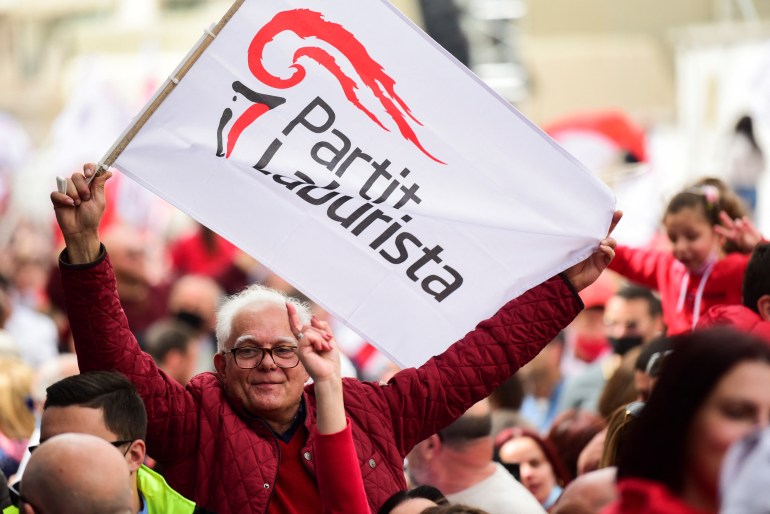
The campaign leading up to the vote was characterized by intense debate regarding governance, the rule of law, and the country’s economic direction. Despite external pressures and domestic scrutiny following the 2017 assassination of journalist Daphne Caruana Galizia—which triggered widespread calls for systemic reform—the Labour Party maintained its core support base. The government has since been tasked with implementing various institutional reforms, many of which were recommended by the Public Inquiry into the murder of Daphne Caruana Galizia, which concluded that the state bore responsibility for the environment that enabled the crime.
The Dynamics of the 2022 General Election
The 2022 contest was notable not only for its outcome but for the logistical hurdles faced by election officials. Voter turnout, while historically high in Malta, saw a slight decline compared to previous cycles, a phenomenon that analysts have attributed to a variety of factors, including pandemic-related fatigue and shifting political engagement. The OSCE Office for Democratic Institutions and Human Rights (ODIHR) provided observation during the process, noting the robust nature of the Maltese democratic institutions while highlighting areas for further transparency.
A point of contention during the election cycle involved the adherence to the traditional period of reflection, often referred to as the “day of silence.” Allegations surfaced regarding media conduct and the influence of public service broadcasting during this cooling-off period. Such debates are indicative of the broader conversation in Malta concerning media freedom and the separation of political influence from state-funded information channels, a topic frequently monitored by international press freedom watchdogs like Reporters Without Borders.
What Lies Ahead for the Abela Administration
As the Labour Party moves further into its current term, the focus remains on the government’s ability to balance economic growth with the necessary strengthening of the rule of law. Malta’s economy, heavily reliant on financial services, gaming, and tourism, faces the dual challenge of navigating global inflationary pressures and ensuring compliance with international financial regulations. The Financial Action Task Force (FATF), which had previously placed Malta on its “grey list” due to deficiencies in anti-money laundering measures, removed the country from the list in 2022, marking a significant recovery for the nation’s financial reputation.
The administration’s legislative priorities include:
- Enhancing judicial independence and judicial appointment processes.
- Deepening collaboration with European institutions on migration and Mediterranean border security.
- Investing in green infrastructure and digitalization to modernize the Maltese economy.
- Continuing the implementation of recommendations derived from the public inquiry into the 2017 assassination.
These policy areas are expected to define the political discourse in Valletta for the foreseeable future. The opposition, led by the Nationalist Party, continues to play a critical role in holding the government accountable, particularly on issues of transparency and good governance. The resilience of these democratic structures will be tested as the government navigates the remainder of its term.
Looking Toward the Next Electoral Cycle
While the immediate political future of Malta appears stable under the current leadership, the long-term trends remain subject to change. The next general election, which is constitutionally mandated to occur within five years of the 2022 contest, will be a pivotal moment for both the Labour Party and the opposition. The evolution of political discourse in Malta, increasingly influenced by younger voters and a more diverse demographic, suggests that the traditional two-party system may face new pressures in the coming years.
For those tracking these developments, the Government of Malta official portal remains the primary source for legislative updates and cabinet announcements. As we continue to cover the geopolitical shifts in the Mediterranean, we invite our readers to share their perspectives on the future of European island democracies. Do you believe the current trajectory of institutional reform is sufficient to meet the challenges of the next decade? We encourage you to participate in the conversation below.
Related reading