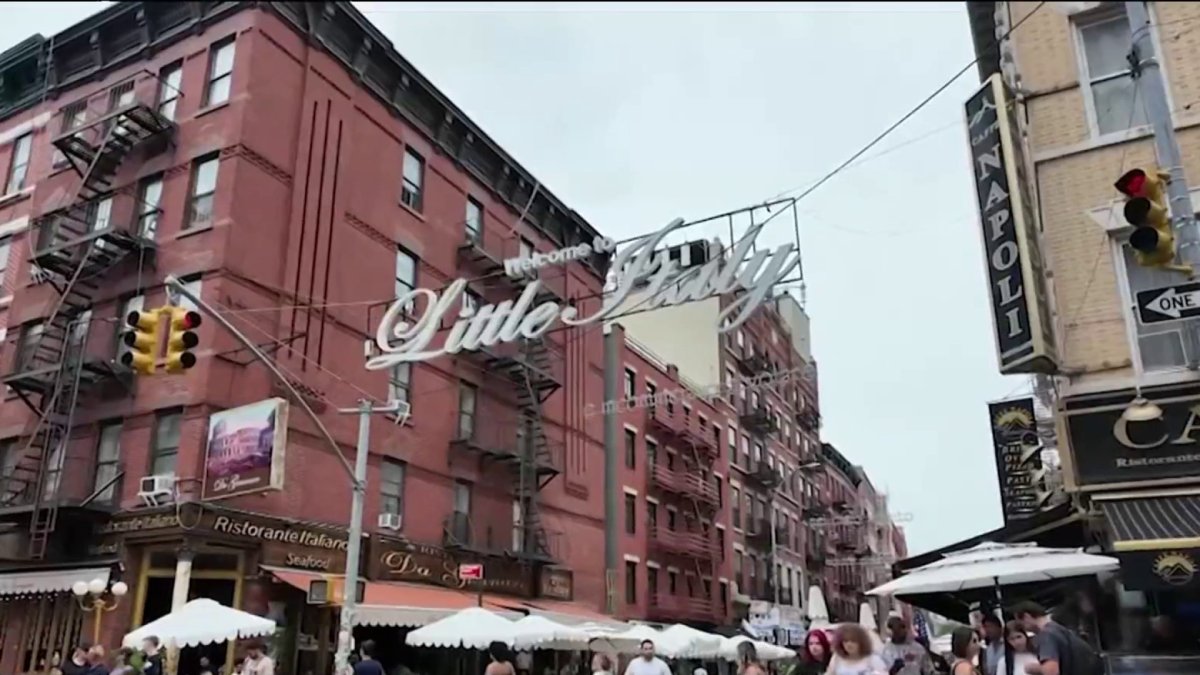
New York City Mayor Zohran Mamdani announced plans to expand the municipal list of immigrant enclaves following criticism that the current directory excluded several prominent ethnic communities. The list, which currently features 30 locations, was initially developed to assist visitors during the upcoming World Cup. Mayor Mamdani stated that the existing map was not intended to be a comprehensive record of the city’s more than 200 diverse ethnic populations and confirmed that the administration will update the document to include neighborhoods such as Little Italy.
While the administration noted that the map was inherited from the previous mayoral term in 2023, the omission of historic areas—including Irish, Jewish, and Italian districts—prompted public pushback. Proponents of the additions argue that the map serves as a vital tool for both local business and the preservation of New York’s identity as a city built by immigrants.
Neighborhood Omissions and Public Response
The exclusion of certain neighborhoods from the official guide sparked frustration among residents and business owners. Tommy DeNosa, a local business operator, noted the tension between political categorization and the daily reality of serving the community.

Other groups have pointed to similar gaps in the city’s map. Residents of Woodlawn and Breezy Point have highlighted the absence of historically Irish neighborhoods, while others have questioned why significant Hasidic areas, such as sections of Williamsburg, were left off the list. Andrew Z, a resident of Little Ukraine—a neighborhood that was included—argued that if the city intends to represent its immigrant foundation, the documentation must be more inclusive of the city’s diverse landscape.
Administrative Adjustments and Clarifications
In response to the feedback, Mayor Mamdani’s office clarified that the administration had already taken steps to expand the map since taking office. According to mayoral aides, the current administration added Little Senegal, Little Egypt, Little Palestine, and Little Odessa to the registry.
The mayor emphasized that the map is a dynamic document rather than a final, static list. While specific timelines for the next round of additions have not been finalized, the administration has committed to ongoing updates to better reflect the city’s current ethnic composition.
Historical Context and the Definition of Enclaves
The debate has also drawn commentary from urban historians regarding how the city defines its neighborhoods. Tyler Anbinder, a historian who served as a consultant for the film Gangs of New York, suggested that the criticism directed at the mayor’s office may overlook the shift in how immigrant groups settle in the city today. According to Anbinder, historical immigrant populations have often migrated or declined in their traditional areas, making it difficult to map neighborhoods based solely on historical labels.

Anbinder proposed that the city might find more success by shifting the terminology from "immigrant enclaves" to "ethnic enclaves." This distinction, he argued, would better capture the contemporary reality of where ethnic groups reside and congregate.
We invite you to share your thoughts on how the city should represent its diverse neighborhoods in the comments below.