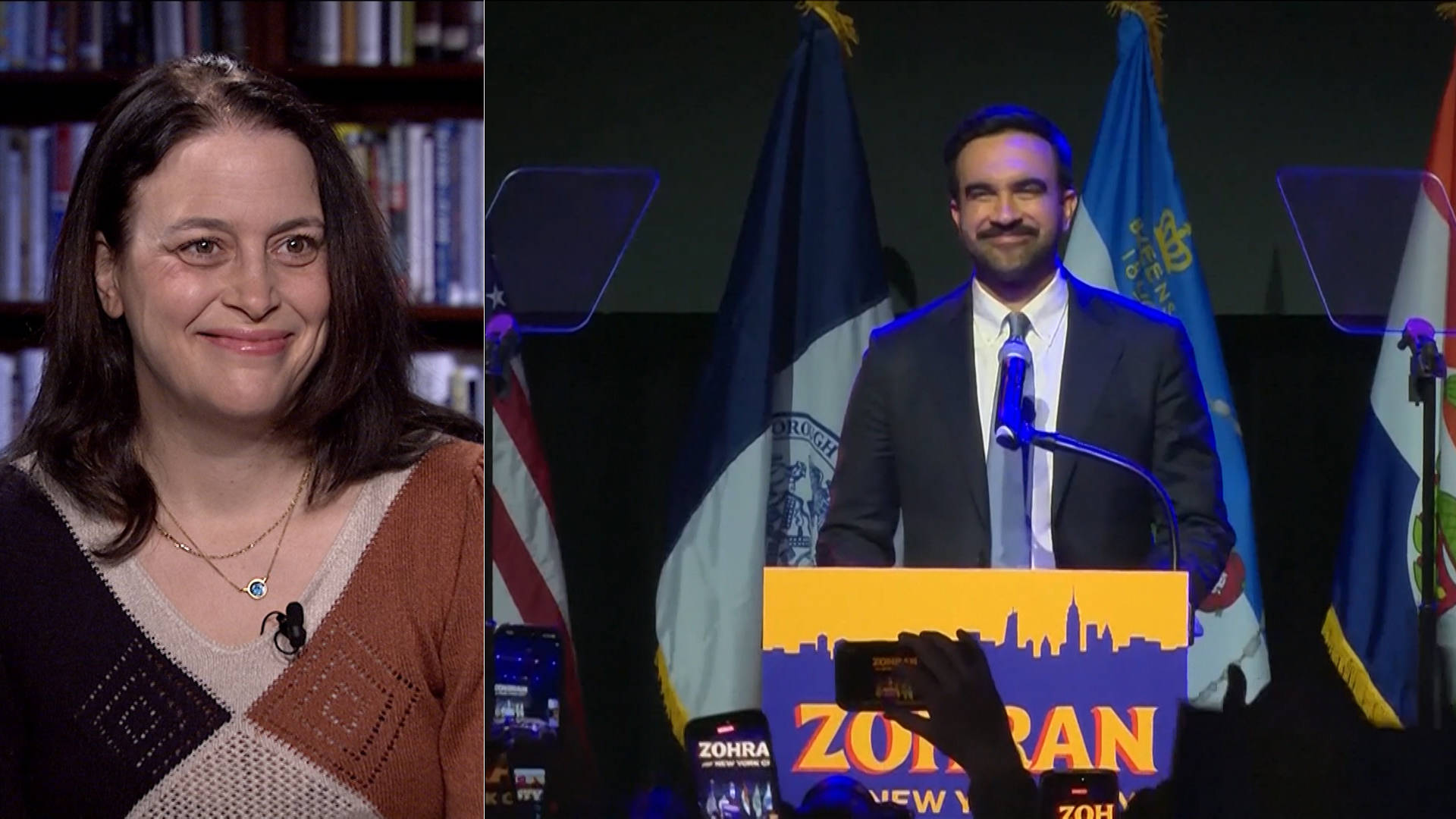
Beyond the Upset: How New york’s Mayoral Race Signals a Shift in Progressive Organizing
The recent mayoral campaign in New York City, culminating in a surprising victory, isn’t just a local story. It’s a potent signal of a broader shift in American political organizing, a moment where the “zeitgeist” – as campaign Field Director Tascha Van Auken put it – is demonstrably changing. This isn’t simply about one election; it’s about building lasting infrastructure for ongoing, impactful change.
This analysis dives into the key takeaways from the campaign, the challenges ahead, and how this momentum can be harnessed to move beyond electoral wins and into lasting policy shifts.
A Campaign Built on Grassroots Power
The campaign, spearheaded by Zohran Mamdani, wasn’t a conventional, top-down affair. It was fueled by an astonishing 104,000 volunteers, a testament to the power of grassroots organizing. This wasn’t about simply getting out the vote; it was about fundamentally reimagining what city governance could look like. The core proposals – free public transportation, global childcare, and city-run grocery stores – weren’t presented as radical ideas, but as achievable solutions to everyday problems.
Van Auken emphasized this point in a recent interview on Democracy Now!, highlighting the campaign’s deliberate focus on “demystifying the goverment and access to politics for people.” The goal wasn’t just to win an election, but to empower citizens to see themselves as active participants in the political process, capable of driving real change. This is a critical distinction. Many campaigns focus on the people; this one focused on empowering the people to act for themselves.
The Looming Challenges: Threats and Demobilization
The victory, however, isn’t without its shadows. Former President Trump has threatened to withhold federal funding from New York City and even targeted Mamdani himself with potential deportation threats. This underscores the fierce opposition the new management will face and the need for continued vigilance.
But perhaps a more insidious threat lies within success itself. History is littered with examples of progressive movements that faltered after achieving power, succumbing to demobilization or internal pressures. As Democracy Now! host Juan González astutely pointed out, even the Obama campaign faced demands for further change from activists on the ground.
This is where the campaign’s pre-planned infrastructure becomes crucial. Van Auken and the team understood from the outset that the election was just one step in a larger organizing process. The existing network of progressive and left-leaning organizations in New York City, built before and during the campaign, provides a foundation for sustained action.
Sustaining Momentum: A Multi-Tiered Approach
So, how do they translate this energy into concrete policy changes? And how do they avoid the pitfalls of demobilization? The answer, according to Van Auken, lies in a multi-tiered approach:
* Continued Organizing: Maintaining the volunteer base and channeling their energy into ongoing advocacy efforts.
* Infrastructure Building: strengthening the network of progressive organizations already working in the city.
* Visioning & access: Opening up avenues for citizen participation in government and making the political process more accessible.
* Healthy Tension: Encouraging organizing outside of the administration to hold leaders accountable and push for bolder action. (Van Auken explicitly stated this is a positive dynamic.)
This isn’t about simply implementing a pre-defined agenda. It’s about fostering a continuous cycle of engagement, advocacy, and accountability. It’s about creating a political ecosystem where citizens are empowered to shape their own future.
The Broader Implications: A National Trend?
The New York mayoral race isn’t an isolated event. it’s part of a growing trend of grassroots movements challenging the status quo and demanding systemic change. From local initiatives to national campaigns,people are increasingly recognizing the power of collective action.
The success of this campaign offers a valuable blueprint for organizers across the contry: focus on building sustainable infrastructure, empowering citizens, and embracing a long-term vision for change.
Looking Ahead
The road ahead will undoubtedly be challenging. But the momentum generated by this campaign, coupled with a robust organizing infrastructure, positions New York City to become a laboratory for progressive policy innovation. The world will be watching to see if this moment truly represents a shift in the political landscape – and whether this energy can be translated into lasting
- De Zerbi et Tottenham prêts à doubler Liverpool et Chelsea pour une révélation … – Mercato
- Wildfire smoke engulfs millions in US ahead of World Cup final
- Cpl. Chad Montgomery Recalls 2016 Ambush in Exclusive Interview (news-usa.today)
- Times Square Ball Drop Traditions Under Fire as Giuliani Takes Aim at Zohran Mamdani (newsdirectory3.com)