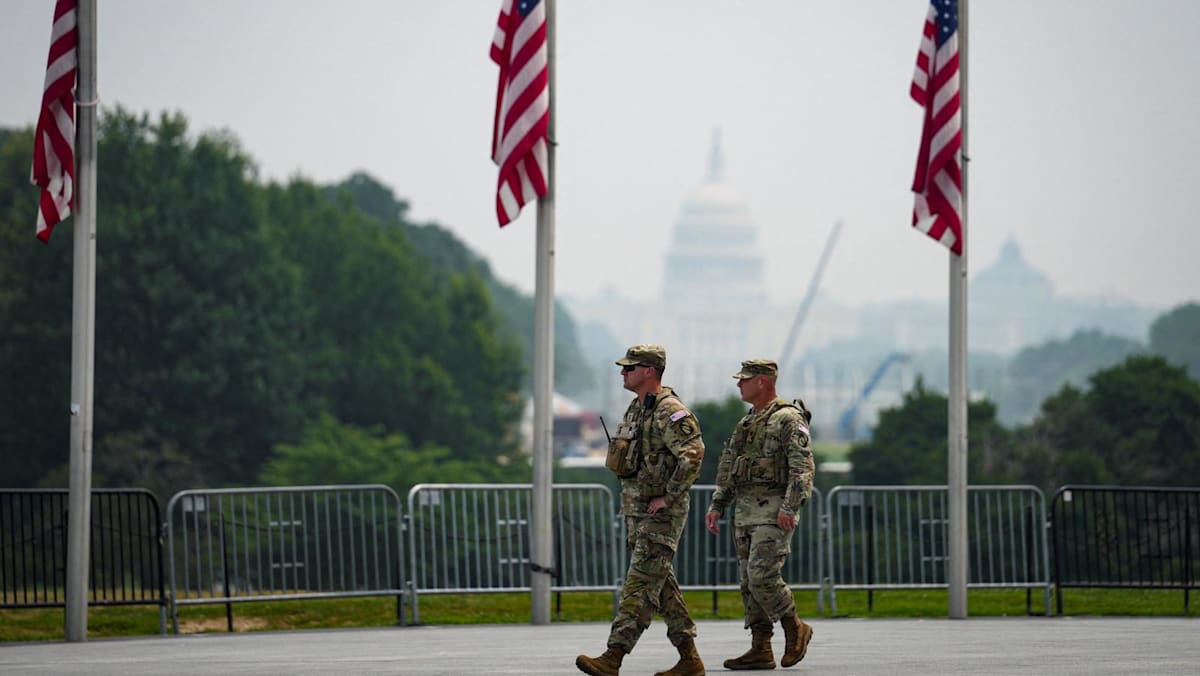
Millions of residents across the Northeastern United States face continued air quality concerns as wildfire smoke persists, complicating travel and outdoor activity plans ahead of the upcoming World Cup final events. While atmospheric models initially suggested a reprieve, meteorologists and environmental officials have warned that shifting wind patterns remain a volatile variable, potentially pushing additional haze into densely populated corridors throughout the region.
According to the U.S. Environmental Protection Agency (EPA), air quality index (AQI) levels are monitored in real-time as fine particulate matter (PM2.5) from wildfires remains the primary health concern. Health authorities advise that when these levels reach “unhealthy” ranges, individuals with respiratory conditions, older adults, and children should limit prolonged outdoor exertion. Current air quality data and local advisories for specific regions can be tracked through the official AirNow interactive map.
Atmospheric conditions and forecast uncertainty
The movement of wildfire smoke is dictated by upper-level wind patterns, which have proven difficult to predict with high precision. While the National Weather Service (NWS) monitors these movements, the interaction between surface-level heat and high-altitude winds often leads to rapid fluctuations in air density and pollutant concentration. The National Weather Service reports that even if surface winds appear calm, the transport of smoke from distant wildfires—often hundreds of miles away—can lead to sudden degradation in visibility and air quality within hours.
The persistence of this haze is linked to ongoing wildfire activity in Canada and parts of the Western United States. As these fires continue to burn, the smoke is funneled through atmospheric corridors into the Northeast. Officials emphasize that the situation is dynamic; residents in affected states should monitor local news and state environmental protection department alerts for specific guidance regarding public events and outdoor gatherings.
Impact on public events and infrastructure
Large-scale public gatherings, including those centered around the World Cup final, are particularly sensitive to these air quality shifts. Organizers typically coordinate with local emergency management agencies to determine if events can proceed safely or if mitigation strategies—such as moving activities indoors or providing filtration-equipped spaces—are necessary. The Centers for Disease Control and Prevention (CDC) notes that exposure to wildfire smoke can cause immediate symptoms such as stinging eyes, cough, and difficulty breathing, necessitating caution for large crowds gathering in outdoor venues.
Public health departments in major metropolitan areas are currently maintaining heightened vigilance. In New York, Massachusetts, and Pennsylvania, state officials have periodically issued air quality alerts when PM2.5 concentrations exceed federal safety thresholds. These alerts serve as a trigger for cities to adjust municipal operations and inform the public about the necessity of using N95 or KN95 masks if outdoor activity is unavoidable.
Health guidance for the general public
For those living in areas experiencing hazy conditions, the standard guidance remains consistent: limit time spent outdoors, keep windows closed, and utilize high-efficiency particulate air (HEPA) filters if available. The EPA provides comprehensive resources on how to create a “clean room” within the home to minimize exposure to smoke particles. These particles are small enough to enter the bloodstream, which is why health officials stress that even individuals without pre-existing conditions should take precautions during periods of elevated haze.
As the weekend approaches, the focus remains on the next round of meteorological updates. Officials are expected to release updated air quality forecasts on Friday morning, which will provide a clearer picture of the smoke trajectory for the duration of the weekend. Residents are encouraged to check their local municipal websites or sign up for emergency text alerts to receive the most accurate information as conditions develop.
This remains a developing situation. Please check your local government’s official emergency management portal for the latest air quality advisories in your specific zip code. Readers are invited to share their experiences with local visibility or air quality concerns in the comments section below.
Keep reading
- MV Matthew leaves Cork after 3 years and €16m in costs
- Шеф на Mercedes обяви електромобилите на марката за „катастрофа” – Investor.bg
- Protect Yourself from Air Pollution: What to Know About Canadian Wildfire Smoke in Chicago (world-today-news.com)
- Canada Wildfire Smoke Afflicts 19 US States, Triggers Air Quality Alerts (time.news)