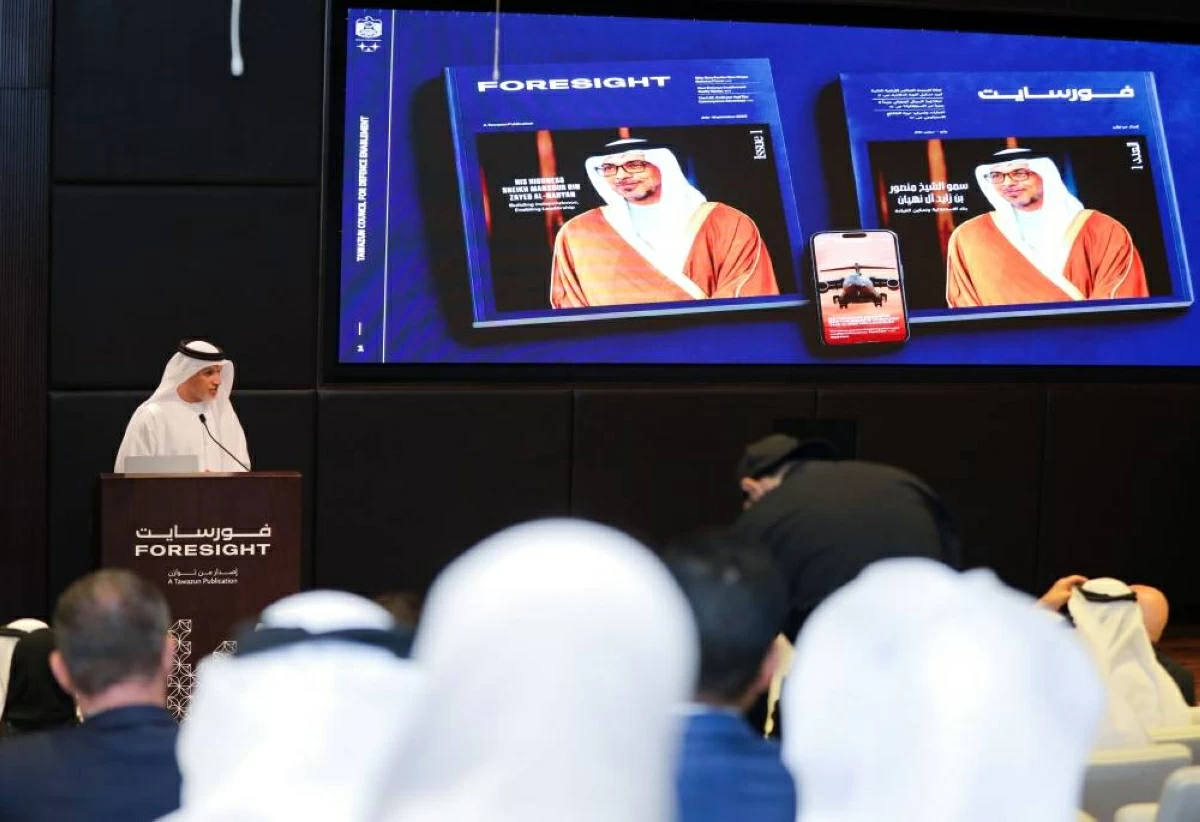
Sheikh Mansour bin Zayed Al Nahyan, Vice President and Deputy Prime Minister of the United Arab Emirates, has recently articulated a comprehensive vision regarding the concept of sovereign capability. This framework emphasizes that a nation’s strength is fundamentally rooted in its ability to manage internal resources, ensure food and water security, and foster human capital as the primary drivers of sustainable development.
According to official statements from the UAE government, this vision aligns with the country’s broader strategic objectives, which prioritize self-reliance and the integration of advanced technology into national infrastructure. By focusing on sovereign capability, the UAE aims to insulate its economy from global volatility while asserting its role as a stable participant in international affairs. This strategic orientation is documented in the “We the UAE 2031” vision, which serves as a roadmap for the nation’s next decade of growth.
Defining Sovereign Capability in the Modern Era
The concept of sovereign capability, as discussed by Sheikh Mansour, transcends traditional military or geopolitical definitions. It centers on the capacity of a state to provide for its citizens independently, particularly in critical sectors such as food, energy, and digital infrastructure. This approach is not merely about isolationism but rather about building a resilient domestic base that allows the UAE to engage with the global community from a position of strength.

The UAE’s focus on food security, for instance, is reflected in the National Food Security Strategy 2051. This initiative seeks to leverage agritech and sustainable agricultural practices to reduce dependence on imports. By investing in these areas, the state effectively enhances its sovereign capability, ensuring that essential services remain uninterrupted regardless of external pressures.
Human Capital as the Foundation of Resilience
A central pillar of Sheikh Mansour’s vision is the development of Emirati human capital. The premise is that advanced technology and industrial capacity are only as effective as the people operating them. Consequently, the UAE has intensified its focus on specialized education, vocational training, and research and development (R&D) to ensure that the national workforce is equipped to manage the sectors that define modern sovereign power.

This commitment is visible in the Emirates Strategy for Government Services, which mandates the digital transformation of public sectors to improve efficiency and accessibility. By digitizing key services, the government aims to create a more responsive and capable administrative structure, which is considered a vital component of a nation’s overall sovereignty in the 21st century.
Strategic Integration and Future Outlook
The vision for sovereign capability is deeply interconnected with the UAE’s transition toward a knowledge-based economy. Sheikh Mansour’s perspective highlights that sovereignty is dynamic; it requires constant innovation and the ability to adapt to rapid changes in global markets. This involves not only domestic production but also strategic international partnerships that bolster the UAE’s influence without compromising its autonomy.
Recent data from the Federal Competitiveness and Statistics Centre indicates that the UAE continues to rank highly in global indices regarding government efficiency and economic stability. These rankings serve as a performance indicator for the policies intended to build sovereign capability. The ongoing emphasis on R&D and private-public sector collaboration remains the primary mechanism for maintaining this competitive edge.
Next Steps for National Development
The UAE’s focus on sovereign capability is expected to remain a central theme in upcoming federal budget allocations and policy announcements. As the nation moves toward the goals set for 2031, oversight of these initiatives will likely be conducted through regular reviews by the UAE Cabinet and relevant federal authorities. These reviews assess the progress of strategic projects in infrastructure, education, and food security.
For those tracking these developments, official updates are regularly published on the UAE government’s official portal. These documents provide the most accurate assessment of how the concept of sovereign capability is being translated into specific, measurable national outcomes. Readers interested in the evolution of this policy are encouraged to monitor future announcements from the Cabinet regarding new legislative frameworks aimed at further empowering domestic industries.
We welcome your thoughts on how sovereign capability is evolving in your own region. Please feel free to share your perspectives in the comments section below.
Worth a look