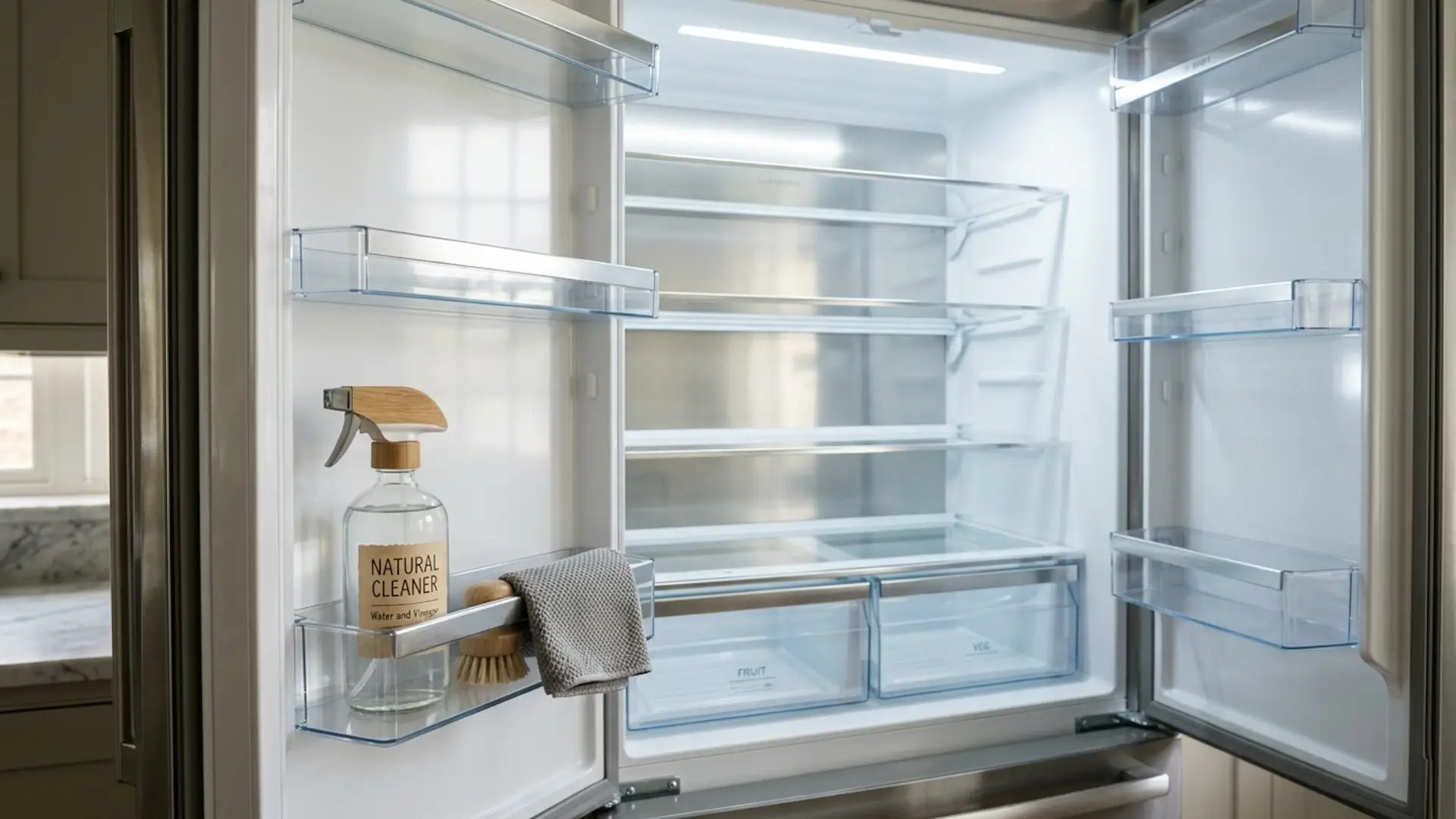
Keeping a refrigerator clean is one of the most fundamental yet often overlooked aspects of kitchen hygiene. While many focus on countertops and dishes, the appliance responsible for preserving food safety demands regular, thorough attention. A neglected fridge can harbor bacteria, mold, and unpleasant odors that compromise both food quality and household health. Understanding how to properly clean and maintain this essential appliance is not just about tidiness—it’s a critical step in preventing foodborne illness and extending the life of stored groceries.
The importance of refrigerator hygiene becomes especially clear when considering how temperature fluctuations and spills create ideal conditions for microbial growth. Listeria monocytogenes, for instance, can survive and even multiply at refrigerator temperatures, posing a serious risk particularly to pregnant women, newborns, the elderly, and those with weakened immune systems. Regular cleaning disrupts these risks by removing food residues where pathogens might otherwise thrive. A clean refrigerator operates more efficiently, as dust-coated coils and blocked air vents force the compressor to operate harder, increasing energy consumption and wear on the appliance.
Effective refrigerator maintenance begins with a simple routine: removing all contents, discarding expired or spoiled items, and wiping down surfaces with a food-safe cleaning solution. Experts recommend using a mixture of warm water and mild dish soap or a solution of one tablespoon of baking soda per quart of water—both effective at cleaning without leaving harmful residues that could contaminate food. Harsh chemicals like bleach or ammonia should be avoided on interior surfaces, as they can leave behind toxic traces or damage seals and plastic components over time.
Beyond surface cleaning, attention should be given to often-neglected areas such as door gaskets, vegetable crispers, and drainage tubes. The rubber seals around the door can accumulate mold and food particles, compromising the appliance’s ability to maintain a tight seal and consistent temperature. These should be inspected regularly and cleaned with a soft brush and mild solution. Similarly, crisper drawers benefit from removal and thorough washing, as trapped moisture and debris can accelerate produce spoilage. For frost-free models, checking the drain hole and tube prevents water buildup that could lead to leaks or mold growth in hard-to-reach areas.
Best Practices for Ongoing Refrigerator Hygiene
Maintaining hygiene isn’t limited to deep cleaning sessions; daily habits play a significant role in preventing buildup and cross-contamination. Wiping up spills immediately—especially from raw meat, poultry, or seafood—helps stop bacteria from spreading to other foods or surfaces. Using covered containers or wraps for stored items minimizes odor transfer and reduces the risk of drips. Labeling leftovers with dates encourages timely consumption and helps avoid the accumulation of mystery containers in the back of shelves.

Organizing the refrigerator thoughtfully also supports both safety, and efficiency. Raw meats should always be stored on the lowest shelf to prevent juices from dripping onto ready-to-eat foods like fruits, vegetables, or cooked meals. Dairy products belong in the main compartment rather than the door, where temperatures fluctuate most with each opening. Condiments, which are more stable due to their acidity or preservative content, are better suited for the door shelves. This zoning approach not only reduces contamination risks but also helps maintain optimal storage conditions for different food types.

Temperature monitoring is another critical yet frequently ignored component of refrigerator care. The ideal range for food safety is between 1°C and 4°C (34°F to 40°F). Temperatures above this range accelerate bacterial growth, while freezing temperatures can damage certain foods like lettuce or eggs. Using an appliance thermometer—placed in the central area of the middle shelf—provides an accurate reading, as built-in dials are often imprecise. Checking this monthly ensures the refrigerator is functioning within safe parameters, especially during seasonal changes or after power outages.
Deep Cleaning: A Step-by-Step Guide
For a thorough clean, it’s best to schedule a deep cleaning every three to four months, or more frequently if odors or visible buildup appear. Start by unplugging the refrigerator or turning it off at the circuit breaker for safety. Remove all shelves, drawers, and detachable parts, allowing them to reach room temperature before washing to prevent cracking from thermal shock. Wash these components in warm, soapy water, using a non-abrasive sponge to avoid scratching surfaces. For glass shelves, extra care is needed to prevent breakage.
While the removable parts soak, clean the interior walls, ceiling, and floor with the baking soda solution or mild detergent, paying close attention to corners and crevices where debris accumulates. A soft toothbrush can aid dislodge grime from tight spaces. After washing, rinse all surfaces with a clean, damp cloth to remove any soap residue, then dry thoroughly with a lint-free towel to prevent water spots or mold growth. Once the interior is dry, return the cleaned shelves and drawers, plug the unit back in, and allow it to reach the correct temperature before restocking food.
The exterior also deserves attention, particularly the condenser coils located either at the back or beneath the unit. Dust buildup on these coils acts as insulation, forcing the refrigerator to run longer and harder to maintain temperature. Using a coil brush or vacuum attachment every six months improves efficiency and can extend the appliance’s lifespan. Similarly, cleaning the drip pan—if accessible—prevents mold and bacterial growth in standing water. Always consult the manufacturer’s manual before attempting to access internal components to avoid damage or voiding warranties.
When to Seek Professional Help
While routine cleaning is manageable for most households, certain signs indicate the need for professional inspection or service. Persistent odors that survive a thorough cleaning may suggest mold growth in insulation or drainage systems, which requires specialized tools to address. Excessive frost buildup in frost-free models could signal a problem with the defrost system, door seal, or temperature sensor. Unusual noises—such as grinding, clicking, or buzzing—might point to compressor or fan issues that, if left unattended, could lead to complete failure.
if the refrigerator fails to maintain proper temperature despite correct settings and clean coils, it may have a refrigerant leak or failing compressor. These issues involve handling pressurized systems and should only be addressed by certified technicians. Attempting DIY repairs on sealed systems not only risks personal injury but can also release harmful substances into the environment. Regular professional maintenance, especially for older units, can catch these problems early and prevent costly replacements.
refrigerator hygiene is a tiny but vital investment in household health and food safety. By combining regular cleaning with smart storage habits and attentive maintenance, families can significantly reduce their risk of foodborne illness while preserving the quality and longevity of their groceries. As with many aspects of preventive care, consistency matters more than perfection—establishing a simple, repeatable routine makes refrigerator care a sustainable part of kitchen hygiene rather than an occasional chore.