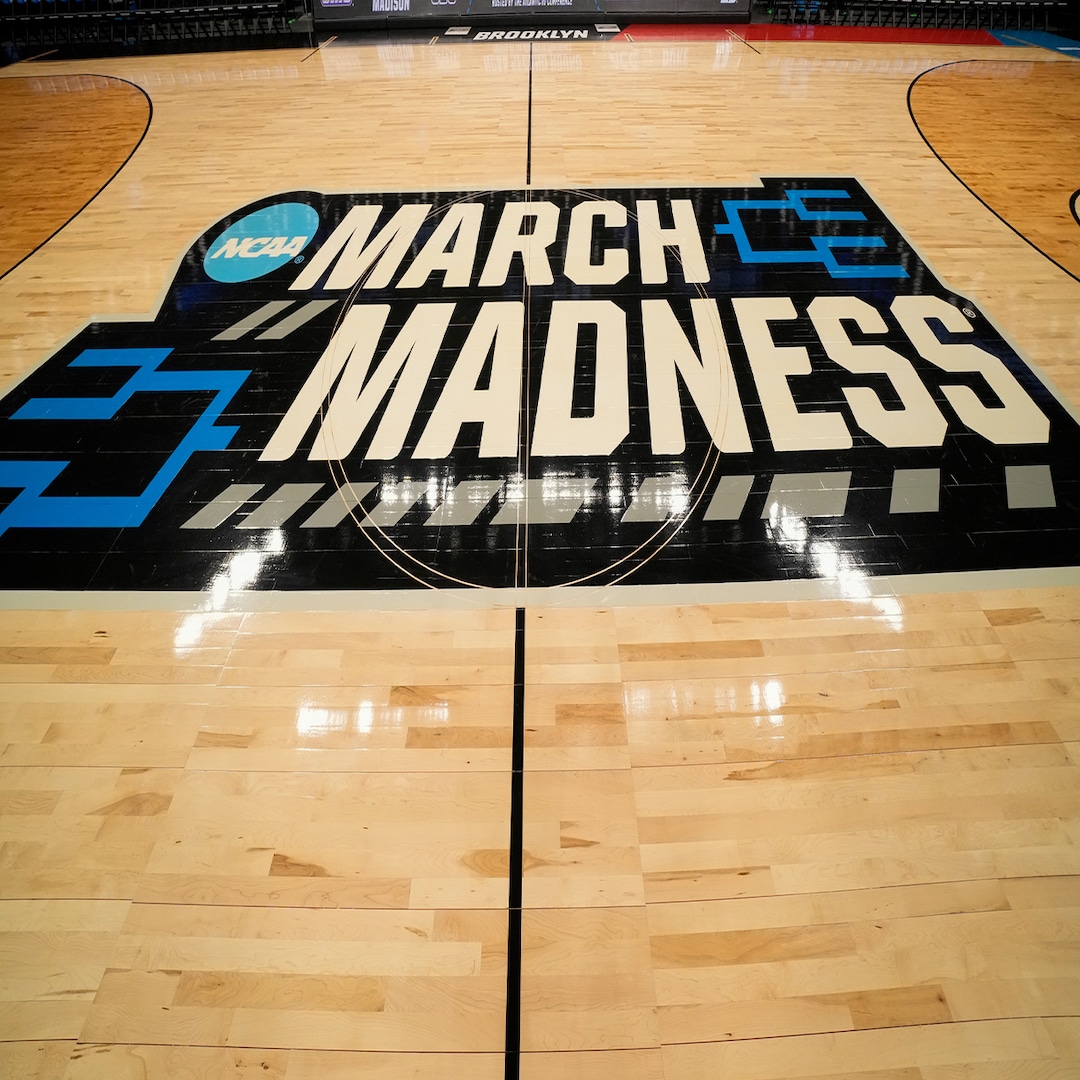
The Allure of the Imperfect Bracket: A Guide to Navigating March Madness
The next few weeks will be filled with the familiar rituals of March Madness: office pools, frantic last-minute bracket adjustments, and the inevitable sting of upset losses. From casual fans to dedicated basketball enthusiasts, millions will participate in the annual tradition of predicting the outcome of the NCAA men’s and women’s basketball tournaments. But despite the widespread enthusiasm, the odds of crafting a perfect bracket remain astronomically low. In fact, since the first organized bracket pool emerged in 1977, no one has ever successfully predicted every game correctly. Yet, the pursuit of bracketology greatness continues, fueled by a combination of hope, strategy, and a little bit of luck.
This year, the men’s tournament culminates on April 6th and the women’s on April 5th, with championship games set to crown the victors. While the players battle for national titles, a parallel competition unfolds among fans, each vying for bragging rights and, often, a financial prize. Whether you’re a seasoned bracket pro or a complete novice, understanding the landscape of March Madness and employing a few key strategies can significantly improve your chances – even if a perfect bracket remains a distant dream.
The enduring appeal of bracket challenges lies not in the likelihood of success, but in the engagement and excitement they generate. It’s a chance to connect with friends, family, and colleagues over a shared passion for college basketball, and to experience the thrill of every buzzer-beater and unexpected upset. The NCAA recognizes this widespread interest, offering an official app to enhance the experience. You can download the Official NCAA Men’s Final Four App presented by AT&T to have the full schedule in your pocket. The NCAA website provides a comprehensive schedule of events, including open practices, fan fests, and musical performances.
Understanding the Odds and Common Pitfalls
Before diving into your bracket, it’s crucial to grasp the sheer improbability of perfection. The mathematics are daunting. With 68 teams in each tournament, You’ll see 9.2 quintillion possible bracket combinations. To put that into perspective, it’s more than the estimated number of stars in the observable universe. This explains why even experts consistently fall short of a flawless prediction.
One of the most common mistakes bracket participants make is overvaluing highly-ranked teams and underestimating the potential for upsets. While top seeds often advance, the history of March Madness is littered with examples of lower-seeded teams making improbable runs to the Final Four and even winning the championship. These upsets are often driven by factors such as hot shooting, strong defensive performances, and the unpredictable nature of single-elimination tournaments. Another common error is following popular opinion, leading to a concentration of picks on the most favored teams. Differentiating your bracket by identifying potential sleepers and undervalued teams can be a key to success.
Strategies for Building a Competitive Bracket
While a perfect bracket is unlikely, a well-informed and strategically constructed bracket can significantly improve your odds of winning your pool. Here are a few approaches to consider:
- Seed Disparity: Pay attention to the historical performance of different seed matchups. While upsets happen, certain seed combinations are more prone to them than others. For example, 12-seeds have a surprisingly good track record against 5-seeds.
- KenPom and NET Rankings: Beyond the NCAA’s seedings, consider utilizing advanced statistical metrics like KenPom and the NCAA Evaluation Tool (NET) rankings. These systems provide a more comprehensive assessment of team quality, taking into account factors such as offensive and defensive efficiency, strength of schedule, and location of games.
- Coaching Experience: Experienced coaches who have a proven track record of success in the NCAA Tournament can provide a significant advantage. Their ability to prepare their teams for the unique pressures of the tournament and make strategic adjustments during games can be crucial.
- Injury Reports: Stay informed about key injuries to players on contending teams. A significant injury can drastically alter a team’s chances of success.
- Don’t Be Afraid to Embrace Chaos: Accept that upsets will happen. Don’t overreact to early surprises and avoid getting too attached to your initial predictions. Be willing to adjust your bracket as the tournament progresses.
Key Dates and Locations for the 2026 Tournament
The 2026 NCAA Tournament begins on March 17 with the First Four games, played in Dayton, Ohio. These games determine the final four teams to enter the 68-team field. The First Round then commences, followed by the Second Round, Sweet Sixteen, Elite Eight, Final Four, and the National Championship game. The 2026 Men’s Final Four will be held at Lucas Oil Stadium in Indianapolis, Indiana, on April 5th and 6th. Sportsbrackets.net offers a printable schedule with dates, times, and television channels.
The Women’s Final Four is scheduled for April 4th and 6th. According to USA Today, the women’s tournament will be held in Tampa, Florida, though specific locations for each round have not yet been released.
Beyond the Games: Fan Fest and Related Events
March Madness extends beyond the on-court action, offering a variety of fan-focused events. In Indianapolis, the Men’s Final Four Fan Fest presented by Capital One will take place at the Indiana Convention Center from April 4th to 6th. The Tip-Off Tailgate on Georgia Street and the March Madness Music Festival: AT&T Block Party at American Legion Mall will similarly provide entertainment and a festive atmosphere. The NCAA website details these events and provides information on security policies and event maps.
The Illusion of Control and the Joy of Participation
the pursuit of a perfect bracket is a humbling exercise. The inherent randomness of the tournament, combined with the unpredictable nature of human performance, makes it virtually impossible to predict every outcome with certainty. Still, this doesn’t diminish the enjoyment of participating. The thrill of watching games, the camaraderie of competing with friends, and the sheer excitement of March Madness are rewards in themselves.
So, embrace the chaos, study up on your teams, and fill out your bracket with confidence. Remember, even if your predictions fall short, you’re still part of a tradition that captivates millions of fans each year. The next key date to watch for is April 6th, when the men’s national champion will be crowned, and April 5th for the women’s. Keep checking the NCAA website for the latest updates and schedules.
What are your bracket strategies? Share your picks and predictions in the comments below, and let’s notice who can come closest to navigating the madness!
Worth a look