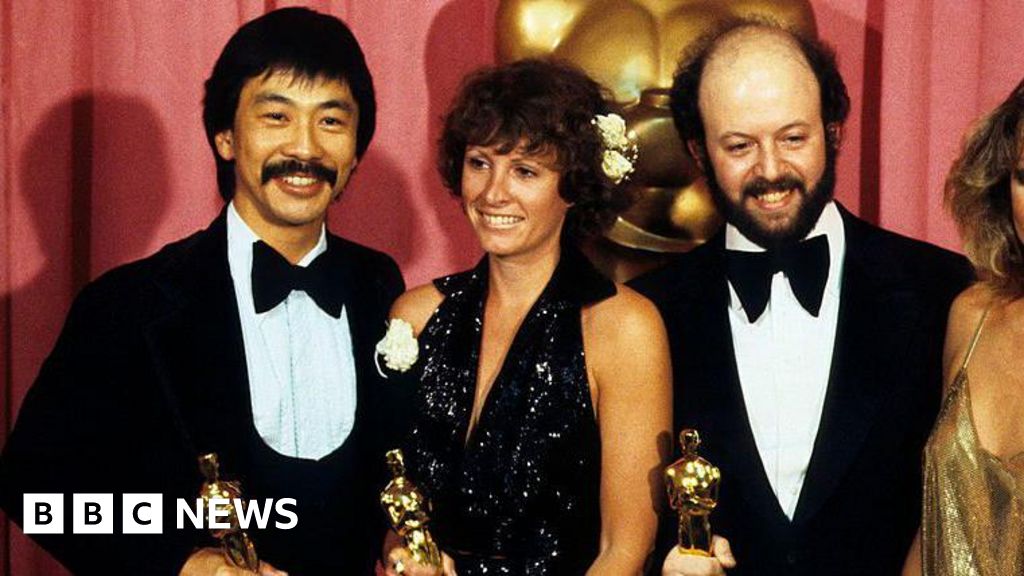
Marcia Lucas, the Oscar-winning film editor whose creative contributions helped define the original Star Wars trilogy, has died at the age of 80. Her passing was confirmed by a lawyer for her family, who reported that she died on Wednesday, May 27, 2026, from metastatic cancer at her home in Rancho Mirage, California, surrounded by her loved ones (Associated Press).
A pivotal figure in the landscape of 1970s and 80s cinema, Marcia Lucas was widely regarded as an essential collaborator during the formative years of modern blockbuster filmmaking. Beyond her work on the galaxy far, far away, she maintained a distinguished career in the editing room, contributing to several of the most influential films of the era. Her death marks the end of a chapter for many who followed the development of the Star Wars franchise, where she was frequently described as a key creative force behind the scenes.
A Legacy in the Editing Room
Marcia Lucas’s impact on the film industry extended well beyond her work with George Lucas, to whom she was married from 1969 to 1983. Her editorial precision was instrumental in shaping the pacing and narrative structure of several seminal films. She served as an editor on George Lucas-directed projects including THX 1138 and American Graffiti, and later became a core part of the editing team for Martin Scorsese’s acclaimed 1970s films, such as Taxi Driver, Alice Doesn’t Live Here Anymore, and New York, New York (Associated Press).

Her most widely recognized achievement remains the original 1977 Star Wars film—later subtitled A New Hope—for which she earned an Academy Award. Her editorial influence was often cited by collaborators as vital to the film’s success. Specifically, she was credited with convincing George Lucas to include the pivotal scene in which Obi-Wan Kenobi, portrayed by Alec Guinness, faces Darth Vader in a lightsaber duel, ultimately becoming a spiritual guide for Luke Skywalker, played by Mark Hamill. She also played a crucial role in assembling the complex, high-stakes footage of the climactic rebel assault on the Death Star, turning what could have been a chaotic sequence into a coherent, thrilling cinematic moment.
Contributions to the Star Wars Saga
Marcia Lucas’s involvement in the Star Wars franchise continued into the next decade, as she served as an editor for the 1983 installment, Return of the Jedi. Her ability to synthesize raw footage into a compelling narrative helped establish the visual and emotional language of the series during its most critical period of expansion.
Her career trajectory highlights a time in Hollywood where editors were increasingly recognized for their role in the “auteur” process, balancing the director’s vision with the practical demands of screen storytelling. By the time of her passing, she had cemented a reputation as a meticulous craftsman whose influence on the rhythm and emotional stakes of the Star Wars universe remained a subject of appreciation for film historians and fans alike.
Key Career Highlights
- Academy Award Winner: Recognized for her editorial work on the original 1977 Star Wars.
- Collaborative Prowess: Worked extensively with Martin Scorsese on iconic films of the 1970s.
- Narrative Architect: Instrumental in shaping character arcs and action sequences in the original Star Wars trilogy.
- Early Career: Contributed to early George Lucas projects including THX 1138 and American Graffiti.
Remembering a Creative Force
The news of her passing has prompted reflections on the often-unsung contributions of editors in the filmmaking process. While directors often receive the primary focus, the work of editors like Marcia Lucas serves as the final, crucial step in the creative pipeline. Her ability to manage complex visual effects and character-driven moments in the Star Wars films provided the foundation upon which the franchise built its massive cultural footprint.

As the film community honors her memory, her work remains a testament to the power of precise, thoughtful editing. The industry continues to look back at the 1970s as a transformative era for cinema, and Marcia Lucas’s role in that transformation is now a permanent part of the historical record.
As of this reporting, there have been no further public statements from the family regarding memorial services. We will continue to monitor for any official updates as they become available. Please share your thoughts and memories of Marcia Lucas’s work in the comments section below.
Keep reading