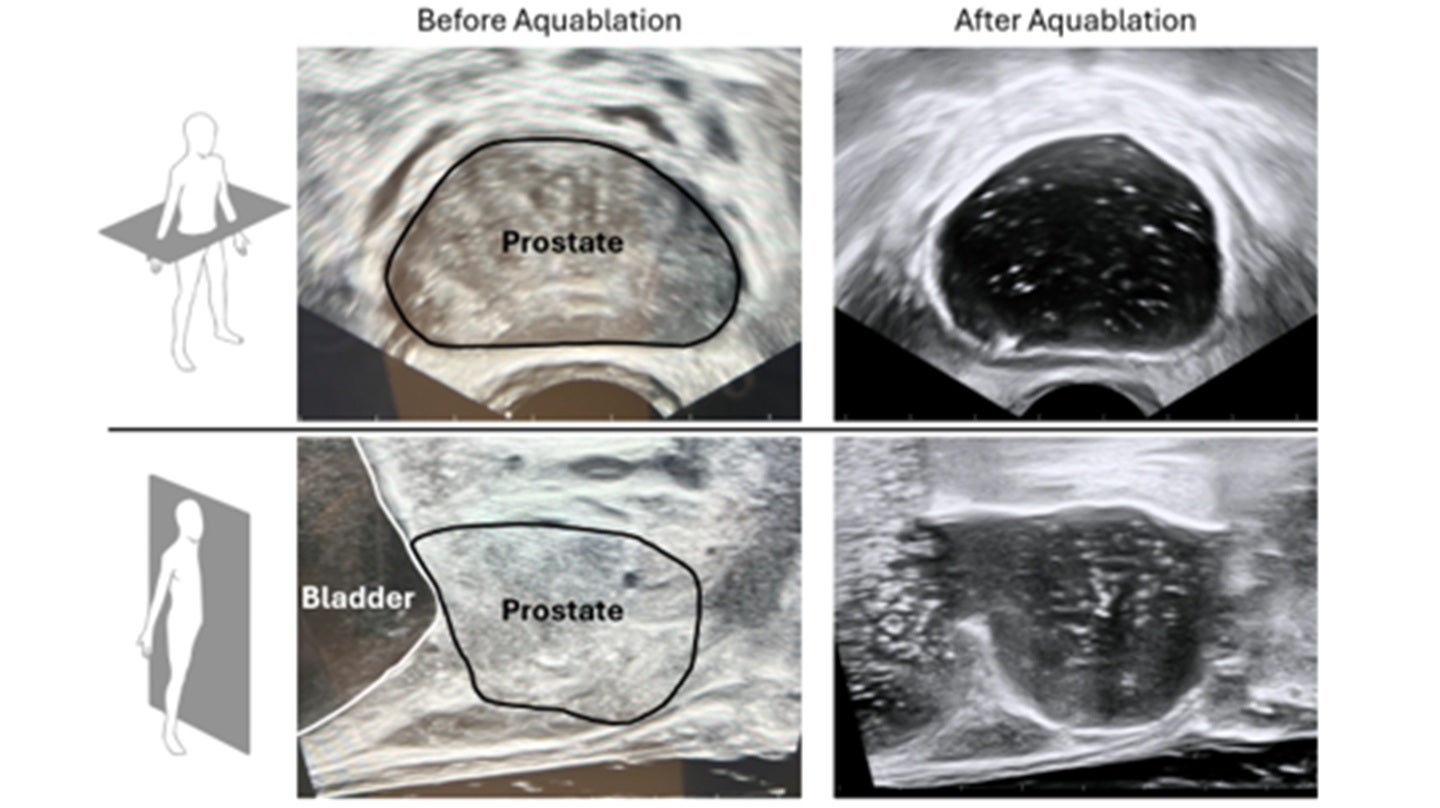
In the landscape of urological innovation, the pursuit of precision-based, minimally invasive solutions for benign prostatic hyperplasia (BPH) and prostate cancer management remains a critical focus for both clinicians and patients. PROCEPT BioRobotics Corporation, a surgical robotics company based in San Jose, California, recently announced significant advancements in its clinical research pipeline, marking a pivotal moment for its Aquablation therapy platform. As the medical community looks toward more refined treatment options, these developments highlight a shift toward procedures that aim to balance long-term symptom relief with the preservation of essential anatomy.
The company confirmed two major milestones regarding its WATER IV clinical program, which is centered on evaluating the efficacy of Aquablation therapy. According to a May 28, 2026, press release, PROCEPT BioRobotics has successfully completed enrollment for its randomized WATER IV study, which compares Aquablation therapy to radical prostatectomy—a long-standing surgical standard of care. This study, referred to as WATER IV RP, has fully enrolled 280 patients. The company indicated that it expects to present primary endpoint results during the American Urological Association (AUA) Annual Meeting in the spring of 2027.
Expanding the Scope of Clinical Research
Beyond the completion of the WATER IV RP study, PROCEPT BioRobotics has secured a second Investigational Device Exemption (IDE) approval from the U.S. Food and Drug Administration (FDA). This approval facilitates a new, randomized protocol known as WATER IV AS, which is designed to evaluate Aquablation therapy against active surveillance for patients diagnosed with Grade Group 1 and 2 prostate cancer. Active surveillance is currently a standard approach for managing lower-risk prostate cancer, intended to avoid the quality-of-life impacts often associated with more aggressive radical treatments. However, because many patients eventually transition to surgery or radiation, the WATER IV AS study seeks to determine if Aquablation therapy could serve as a viable, earlier intervention.
The study protocol for WATER IV AS is set to enroll up to 333 patients globally. Researchers plan to follow these participants for ten years, incorporating biopsy assessments at one year and MRI-based whole-gland evaluations at three years. By investigating this alternative, the company aims to address a significant clinical gap for men seeking to manage their prostate health while delaying or potentially avoiding the risks associated with traditional, more invasive surgical procedures.
Understanding Aquablation Therapy
At the core of these clinical trials is the AquaBeam Robotic System and the HYDROS Robotic System. Aquablation therapy is an ultrasound-guided, robotic-assisted, waterjet treatment designed to treat BPH. Unlike traditional surgical methods, this technology employs computer-assisted treatment planning to facilitate precise tissue resection. The primary objective of this approach is to provide durable relief from lower urinary tract symptoms while prioritizing the preservation of sexual function and continence, regardless of the size or shape of the prostate gland.

The technology behind these procedures is rooted in the company’s commitment to robotic-assisted urology, which has been the focus of the organization since its incorporation in 2007. By integrating advanced imaging with robotic precision, the platform is designed to offer surgeons a high level of versatility and personalization in treating benign prostatic hyperplasia, as noted in the company’s clinical documentation. These ongoing studies are essential for establishing the long-term safety and efficacy of these robotic platforms in both benign and malignant prostate conditions.
Looking Ahead: The Path for Prostate Health
For patients and healthcare providers, the progress of the WATER IV program represents a rigorous scientific effort to validate new standards in prostate care. The transition from active surveillance to a proactive, minimally invasive treatment option could redefine the treatment trajectory for thousands of men. As we await the primary endpoint results for the WATER IV RP study in 2027, the medical community will be closely watching the data to see how these robotic-assisted therapies compare to established surgical benchmarks.

As Editor of the Health section at World Today Journal, I recognize that clinical advancements of this nature are not merely technical achievements; they are potential turning points for patient quality of life. The commitment to ten-year follow-up periods in the WATER IV AS study underscores the importance of long-term data in validating any new medical intervention. For those interested in the evolving standards of urological care, keeping track of future updates from the American Urological Association and official company filings will be the most reliable way to stay informed as these studies progress.
What are your thoughts on the integration of robotic-assisted therapy in prostate cancer management? We invite our readers to share their insights and engage in the conversation below.
Keep reading