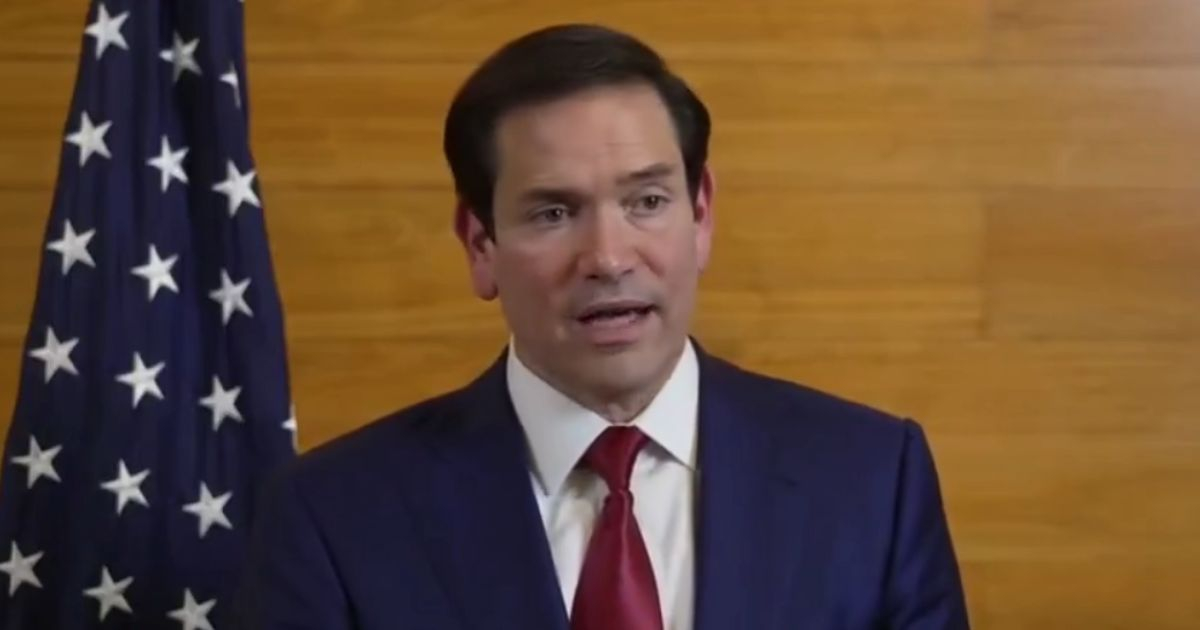
Rubio Calls for Economic Overhaul in Cuba, Criticizes Medical Missions
U.S. Senator Marco Rubio has asserted that Cuba’s future prosperity hinges on a fundamental shift in its economic model, deeming the current system unsustainable and non-functional. The Florida Republican’s comments, made earlier this week, reflect growing U.S. Scrutiny of the island nation’s economic policies and its controversial international medical programs. Rubio’s statements come amid ongoing economic hardship in Cuba, exacerbated by a complex interplay of factors including U.S. Sanctions, internal economic mismanagement, and the global economic climate. The senator also addressed a recent incident involving a confrontation at sea, pledging an independent U.S. Investigation.
Rubio was particularly critical of Cuba’s centrally planned economy, arguing it lacks the dynamism and efficiency found in market-based systems. “The reason things are so bad is as they have an economic model that doesn’t exist, that doesn’t work. It doesn’t exist anywhere in the world. It’s not functional,” he stated. This assessment aligns with long-standing criticisms from economists and political analysts who point to Cuba’s lack of economic freedom, limited private sector activity, and reliance on state-controlled enterprises as key impediments to growth. Cuba’s economic performance has been consistently hampered by these structural issues, leading to shortages of essential goods, limited opportunities for citizens, and a persistent reliance on external support.
The State of Cuba’s Economy
Cuba’s economy has faced significant challenges in recent years. The COVID-19 pandemic dealt a severe blow to the tourism sector, a crucial source of foreign exchange. Combined with tightening U.S. Sanctions under the Trump administration – many of which remain in place despite a shift in U.S. Policy under President Biden – the island has experienced a sharp decline in economic activity. Reuters reported in July 2023 that Cuba is facing its worst economic crisis in decades, with widespread shortages of food, medicine, and fuel. Inflation remains a major concern, eroding purchasing power and exacerbating hardship for ordinary Cubans. The Cuban government has implemented limited economic reforms, allowing for some private enterprise, but these measures have been insufficient to address the underlying structural problems.
The current economic difficulties have fueled social unrest, including protests in July 2021 – the largest anti-government demonstrations in decades. These protests highlighted widespread discontent over economic hardship, political repression, and limited freedoms. The Cuban government responded with a crackdown on dissent, arresting hundreds of protesters and tightening restrictions on civil liberties. Human Rights Watch documented ongoing repression in a July 2023 report, detailing the continued imprisonment of protesters and the suppression of freedom of expression.
Criticism of Cuban Medical Missions
Rubio also leveled strong criticism at Cuba’s international medical missions, a significant source of revenue for the Cuban government. He accused the Cuban state of exploiting its medical professionals deployed abroad, alleging that doctors and nurses receive only a small fraction of the compensation paid by host countries, with the remainder retained by the Cuban government. “The fact that these people are working that way is basically human trafficking. They are barely paid and their freedom of movement is strictly restricted,” Rubio asserted.
This criticism echoes concerns raised by human rights organizations and defecting Cuban doctors. Reports have emerged detailing restrictive contracts, limited personal freedoms, and inadequate living conditions for Cuban medical personnel working abroad. The Guardian reported in 2019 on allegations of exploitation and forced labor within the Cuban medical missions program. The Cuban government defends the program as a humanitarian effort, providing much-needed medical assistance to countries in need. However, critics argue that the program is primarily a source of hard currency for the Cuban state, with the well-being of the medical professionals taking a backseat to economic considerations.
The U.S. Government has been increasingly vocal in its condemnation of the Cuban medical missions program, urging host countries to ensure that Cuban doctors are treated fairly and receive the full compensation they are due. Washington wants governments contracting these services to understand that payments are made to the regime, not directly to the healthcare professionals. This stance reflects a broader U.S. Strategy of pressuring the Cuban government to improve its human rights record and implement economic reforms.
Investigation into Maritime Incident
Senator Rubio also addressed a recent incident involving a confrontation at sea, resulting in the deaths of four individuals aboard a vessel registered in Florida. He stated that the U.S. Government would conduct an independent investigation to determine the circumstances surrounding the incident, which occurred near the province of Villa Clara. “We are going to verify this independently to know exactly what happened here,” Rubio said. Details surrounding the incident remain murky, with conflicting accounts emerging from both Cuban and U.S. Sources. The Cuban government has stated that its forces responded to an attempt to illegally enter Cuban waters, while U.S. Officials have called for a transparent and impartial investigation.
The incident has further strained already tense relations between the U.S. And Cuba. The U.S. Coast Guard has been actively involved in interdicting vessels attempting to migrate from Cuba to the United States, reflecting a surge in irregular migration in recent months. The economic crisis in Cuba is driving increasing numbers of Cubans to risk dangerous sea voyages in search of a better life. The U.S. Coast Guard reported 13 interdictions near Cuba in late February 2024, highlighting the ongoing challenges of managing migration flows in the region.
U.S. Policy Towards Cuba
Rubio’s remarks are consistent with a hawkish stance on Cuba that has been prevalent among many Republican lawmakers. During the Trump administration, the U.S. Significantly tightened sanctions on Cuba, reversing some of the progress made under the Obama administration’s policy of engagement. The Biden administration has taken some limited steps to ease restrictions on remittances and travel to Cuba, but the overall U.S. Policy remains largely unchanged. The U.S. Continues to maintain a trade embargo against Cuba, which has been in place for over six decades.
The debate over U.S. Policy towards Cuba remains highly polarized. Supporters of the embargo argue that it is a necessary tool to pressure the Cuban government to improve its human rights record and move towards democratic reforms. Critics of the embargo contend that it is counterproductive, harming the Cuban people and hindering economic development. They advocate for a more comprehensive approach that includes engagement, diplomacy, and increased economic cooperation. The future of U.S.-Cuba relations remains uncertain, with the potential for further shifts in policy depending on the political climate in both countries.
Key Takeaways:
- Senator Marco Rubio has called for a fundamental economic overhaul in Cuba, criticizing the current system as unsustainable.
- Rubio has accused the Cuban government of exploiting its medical professionals deployed on international missions, alleging practices akin to human trafficking.
- The U.S. Government is investigating a recent maritime incident near Cuba that resulted in the deaths of four individuals.
- U.S. Policy towards Cuba remains a subject of debate, with ongoing sanctions and limited engagement.
- Cuba’s economic crisis continues to worsen, driving increased migration and social unrest.
The U.S. Investigation into the maritime incident is expected to provide further clarity on the events that transpired. The findings of the investigation could have significant implications for U.S.-Cuba relations. As Cuba continues to grapple with economic hardship and political repression, the international community will be closely watching developments on the island. We encourage readers to share their thoughts and perspectives on this key issue in the comments below.
Related reading