Austria Pauses Police Electric Vehicle Rollout Amid Performance Concerns
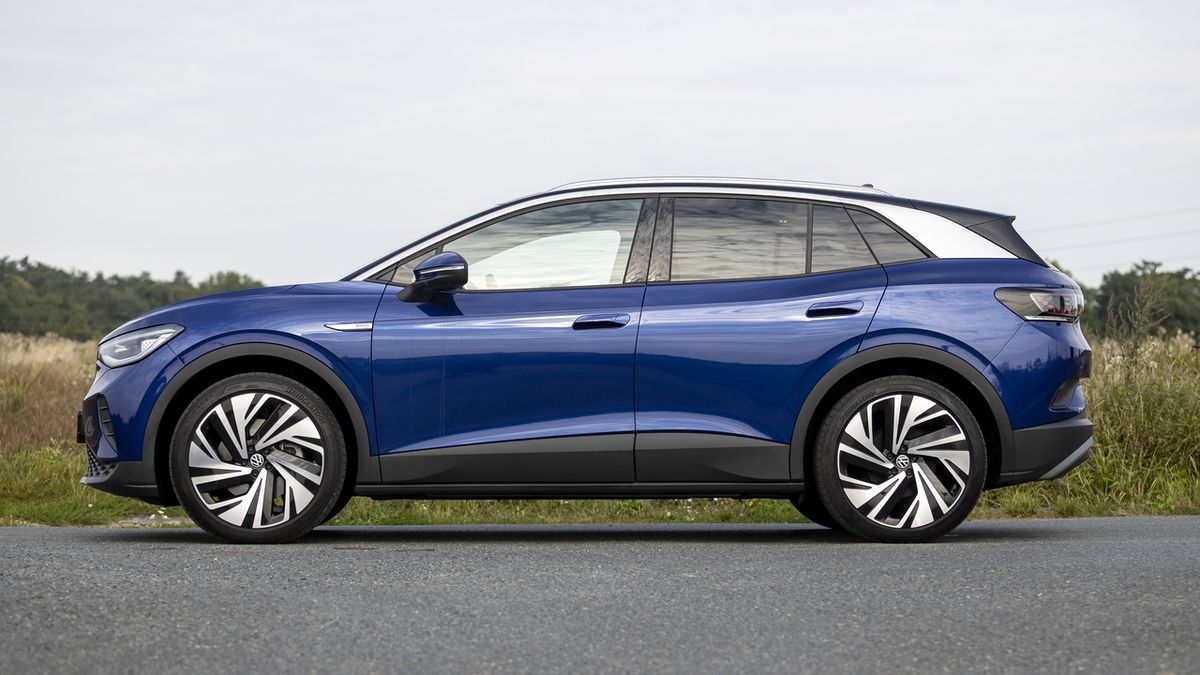
Vienna – A pilot program testing the viability of electric vehicles for Austrian law enforcement is drawing to a close earlier than anticipated, as preliminary results reveal significant shortcomings in performance and practicality. While the transition to electric fleets is a key component of broader European Union environmental goals, the Austrian experience highlights the challenges of integrating this technology into the demanding operational requirements of police work. The initial testing, which began in 2024 with Volkswagen’s ID.4 SUV, aimed to assess electric vehicles across a range of police duties, from routine patrols to high-speed pursuits. However, issues ranging from limited range and slow charging times to insufficient cargo space and braking performance have prompted authorities to reassess the suitability of current electric vehicle technology for frontline policing.
The decision to curtail the testing phase, initially slated to run until 2027, underscores the complexities of electrifying emergency services. Beyond the police force, similar trials within Austria’s fire and ambulance services are also facing hurdles, primarily related to cost and operational limitations. This development arrives as the European Union pushes for a reduction in carbon emissions and a wider adoption of electric vehicles, creating a tension between environmental objectives and the practical needs of public safety organizations. The situation in Austria is becoming a focal point in the debate surrounding the feasibility of a rapid transition to electric fleets for critical services.
The core issue, according to reports from police unions and confirmed by the Ministry of the Interior, centers on the ID.4’s inability to maintain pace during high-speed chases. The vehicle’s top speed is limited to 160 km/h (approximately 99 mph), and its battery life is significantly depleted when operating at such speeds, leading to instances where the vehicle has unexpectedly lost power during pursuit. This poses a clear safety risk, both to officers and the public. The Ministry of the Interior confirmed to Focus that preliminary test results indicate limited suitability of electric vehicles for police operations.
Practical Concerns Hamper Operational Effectiveness
Beyond the limitations in speed and range, officers have raised concerns about the practicality of the ID.4 for everyday police work. Walter Strallhofer, a representative from Austrian police unions, noted that the vehicle’s cargo space is insufficient to accommodate the standard equipment required for patrol duties. “All the necessary equipment simply didn’t fit in the trunk, so it had to be stored in the back seat,” Strallhofer stated, as reported by Kurier. This compromises both space for potential detainees and the efficient organization of essential tools.
Further compounding the issues are concerns regarding braking performance and vehicle weight. The ID.4’s heavier build, typical of electric vehicles due to the battery pack, results in a longer braking distance, particularly at higher speeds. This is a critical safety factor in emergency response situations. The vehicle’s touchscreen-based controls have also been criticized as impractical for officers operating in dynamic and often stressful environments. The combination of these factors – limited space, compromised performance, and usability concerns – has led to a consensus that the current generation of electric vehicles is not adequately equipped to meet the demands of modern policing.
Challenges Extend to Emergency Services
The difficulties encountered by the Austrian police are not isolated. The country’s fire and ambulance services are facing similar obstacles in their own evaluations of electric vehicle technology. For firefighters, the primary concern is cost. Electric fire trucks currently carry a price tag exceeding one million euros (approximately $1.08 million USD as of November 21, 2023), a figure two to three times higher than comparable vehicles with internal combustion engines. Austrian fire departments are continuing to rely on traditional vehicles, utilizing electric models solely as command vehicles.
The ambulance service faces a different set of challenges. While exploring electric options, the service has largely maintained its existing fleet of gasoline-powered vehicles. Andreas Huber, a spokesperson for the Austrian ambulance service, confirmed that novel vehicles acquired in early 2023 are equipped with internal combustion engines. “Electric vehicles are not currently part of the main fleet,” Huber stated, highlighting the ongoing reliance on conventional vehicles for critical emergency response. The necessitate for consistent and reliable performance, coupled with concerns about range and charging infrastructure, are driving this cautious approach.
Broader Implications for EU Green Transition
Austria’s experience provides a cautionary tale as the European Union accelerates its push towards a greener transportation sector. The EU has set ambitious targets for reducing carbon emissions, including a de facto ban on the sale of new gasoline and diesel cars by 2035. However, the challenges faced by Austrian emergency services demonstrate that a one-size-fits-all approach may not be feasible. The unique demands of police, fire, and ambulance services require vehicles capable of delivering consistent performance, reliability, and operational flexibility – qualities that current electric vehicle technology struggles to consistently provide.
The situation also raises questions about the adequacy of charging infrastructure, particularly in rural areas and during emergency situations. Rapid charging capabilities are essential for ensuring that emergency vehicles can quickly return to service, but the availability of such infrastructure remains limited in many parts of Austria. The environmental impact of battery production and disposal is another factor that needs careful consideration as countries transition to electric fleets. The EU’s commitment to sustainability must encompass the entire lifecycle of electric vehicles, from manufacturing to finish-of-life management.
Future Outlook and Potential Solutions
Despite the current setbacks, the Austrian government remains committed to exploring the potential of electric vehicles for public service applications. The Ministry of the Interior has indicated that future testing may focus on different vehicle types and technologies, including hybrid models and vehicles with extended range capabilities. Investment in charging infrastructure and advancements in battery technology are also seen as crucial steps towards overcoming the current limitations.
However, a more nuanced approach is likely to be required. Rather than attempting a complete and immediate transition to electric fleets, a phased implementation strategy may be more realistic. This could involve prioritizing the utilize of electric vehicles for non-critical tasks, such as courier services and administrative duties, while continuing to rely on conventional vehicles for frontline operations. Collaboration between government agencies, vehicle manufacturers, and technology providers will be essential to developing solutions that meet the specific needs of Austria’s emergency services. The focus will likely shift towards optimizing existing technologies and exploring innovative approaches to address the challenges of electrifying critical public sector fleets.
The Austrian experience serves as a valuable case study for other European countries as they navigate the complexities of the green transition. It underscores the importance of thorough testing, realistic assessments of operational requirements, and a willingness to adapt strategies based on real-world results. The path to a sustainable future for emergency services will likely be a gradual one, requiring ongoing innovation, investment, and collaboration.
The next step for the Austrian Ministry of the Interior is a comprehensive review of the test results and a reassessment of its long-term electrification strategy, expected to be completed by early 2024. Readers are encouraged to share their thoughts on the challenges and opportunities of electrifying emergency services in the comments below.
Keep reading