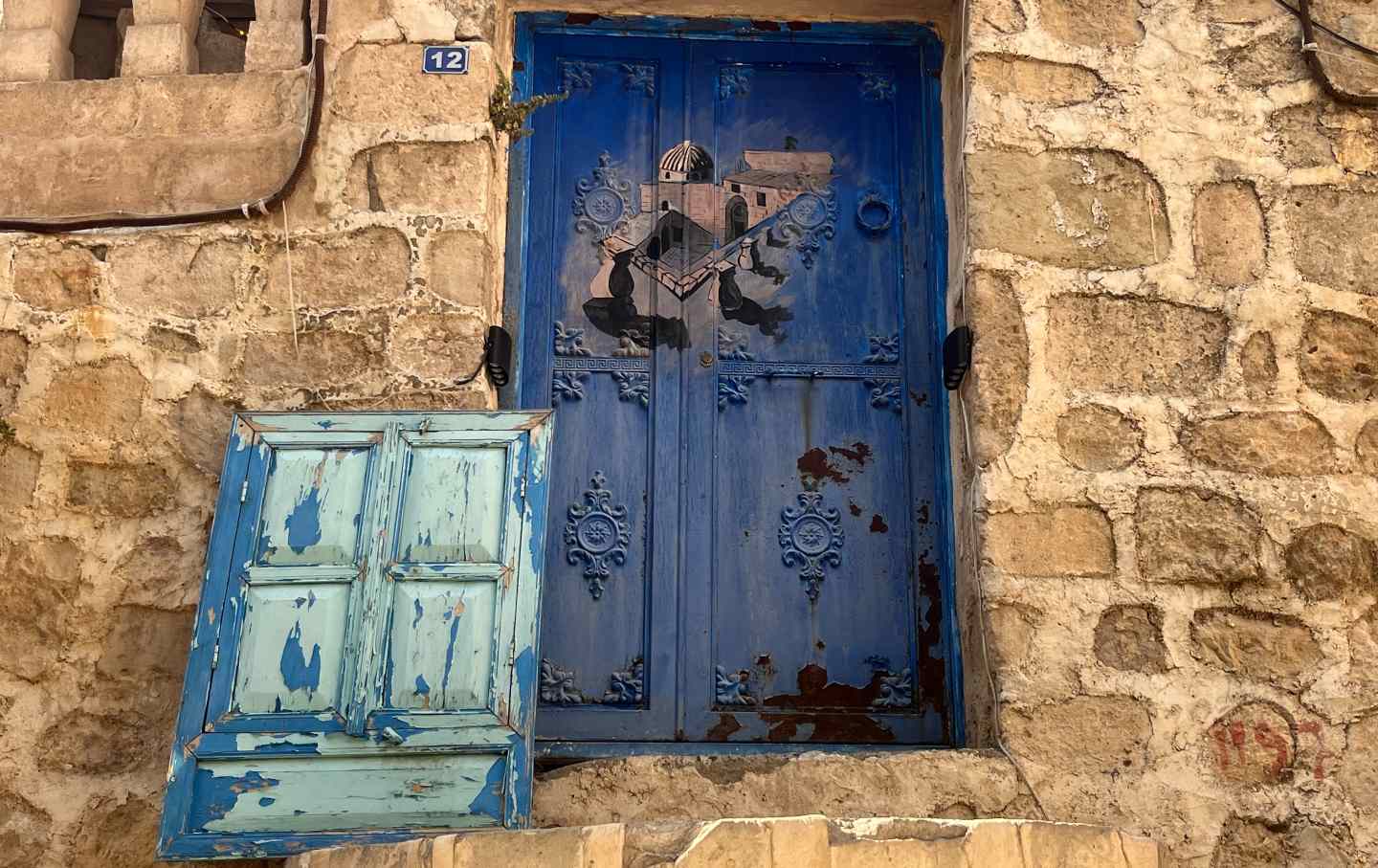
Perched on a limestone ridge overlooking the vast, shimmering plains of Mesopotamia, the city of Mardin stands as a living archive of human coexistence. For centuries, this ancient settlement in southeastern Turkey has functioned as a crossroads where Arabic, Kurdish, and Turkish languages mingle in the narrow, winding alleys of the Old City. It’s a place where the call to prayer from a minaret frequently overlaps with the rhythmic tolling of bells from a Syriac Orthodox church, embodying a rare form of cultural pluralism in Mardin that has survived empires and upheavals.
Still, this delicate social fabric is currently facing an era of unprecedented strain. The intersection of domestic political pressures, the enduring volatility of the Syrian border, and the demographic shifts brought about by a decade of conflict have placed this mosaic society under significant pressure. While the city remains a beacon of diversity, the mechanisms that once ensured peaceful coexistence are being tested by the hardening of national identities and the geopolitical imperatives of the Turkish state.
Mardin is not merely a tourist destination known for its golden stone architecture; it is a geopolitical barometer. The tensions playing out in its coffee houses and courtyards reflect the broader struggle between a centralized vision of Turkish national identity and the pluralistic reality of the borderlands. As the region navigates the complexities of the 21st century, the question remains whether Mardin can preserve its legacy of tolerance or if the pressures of the present will irrevocably alter its character.
The Architecture of Coexistence: Ethnic and Religious Diversity
The identity of Mardin is rooted in its status as a sanctuary for various ethnic and religious minorities. Among the most significant is the Syriac Orthodox community, one of the oldest Christian denominations in the world. For the Syriacs, Mardin is more than a city; it is a spiritual heartland. Despite a long history of emigration driven by economic hardship and periodic instability, the community continues to maintain its presence through the preservation of ancient monasteries and the teaching of Aramaic, the language of Jesus.
This religious diversity is complemented by an ethnic blend of Kurds and Arabs, who have historically shared the region’s agricultural and commercial life. In the Old City, it is common to discover families who are multilingual, switching seamlessly between languages to navigate their social and professional circles. This organic integration created a social contract based on mutual necessity and shared space, allowing different groups to maintain their distinct identities while participating in a collective urban life.
Observers of the region note that this pluralism was never without friction, but it was managed through local norms and a shared sense of “Mardinli” (being from Mardin) identity that often superseded ethnic divisions. However, this localist identity is increasingly being overshadowed by broader national narratives. The rise of ethnic nationalism, both within Turkey and across the border in Syria, has begun to penetrate the city’s social layers, making the act of coexistence a more conscious and sometimes more difficult effort.
The Syrian Border and the Burden of Displacement
The proximity of Mardin to the Syrian border has transformed the city from a quiet provincial center into a critical hub for humanitarian and security operations. The Syrian Civil War, which began in 2011, fundamentally altered the demographics of the region. Thousands of Syrian refugees, many of whom share linguistic or religious ties with the people of Mardin, have sought refuge in the city and its surrounding districts.
While the shared cultural heritage initially facilitated the integration of some Syrian arrivals, the sheer scale of the displacement has strained local resources. The influx has created a complex economic dynamic where refugees provide essential low-cost labor in agriculture and textiles, yet face precarious legal statuses and social marginalization. According to reports on regional migration, the presence of large refugee populations often becomes a flashpoint for local tensions, particularly as economic inflation affects the quality of life for both locals and newcomers.
the militarization of the border has changed the physical and psychological landscape of the town. The establishment of security zones and the increased presence of the Turkish military to counter the influence of the YPG (People’s Protection Units) and other Kurdish-led factions in Northern Syria have turned the borderlands into a high-security zone. This security-first approach often clashes with the traditional openness of the border town, where trade and familial visits across the frontier were once common occurrences.
Political Pressures and the Kurdish Struggle
Central to the current tension in Mardin is the political struggle regarding Kurdish rights and representation in Turkey. Mardin is a stronghold of Kurdish political sentiment, and the city has frequently been at the center of disputes between the central government in Ankara and local administrations. The appointment of government-designated trustees (kayyum) to replace elected mayors in various southeastern municipalities has been a recurring theme of instability.
These institutional actions are viewed by many local residents as an attempt to erode the political will of the Kurdish population and to centralize power at the expense of local autonomy. The resulting atmosphere is one of cautiousness; public expressions of Kurdish identity or political affiliation can lead to legal scrutiny. This political climate creates a paradox where the city is celebrated as a cultural treasure for tourists, while its residents navigate a restrictive political environment.
The impact of this tension is felt most acutely in the youth population. For many young Kurds in Mardin, the struggle for linguistic and cultural recognition is not a historical curiosity but a daily reality. The tension between the state’s desire for a unified national identity and the local desire for pluralistic recognition remains the primary fault line in the city’s social stability.
The Tourism Paradox: Museum City vs. Living Community
In recent years, Mardin has seen a surge in tourism, marketed as a museum city
due to its remarkably preserved medieval architecture. The government has invested in the restoration of the Old City, turning ancient mansions into boutique hotels and traditional workshops into galleries. While this has brought much-needed capital to the region, it has as well introduced a form of gentrification that threatens to displace the very people who created the city’s pluralistic culture.

As property values rise, some long-term residents—particularly from the minority Syriac and Arab communities—find it increasingly difficult to maintain their ancestral homes. There is a growing concern that Mardin may be transformed into a sanitized version of itself, where the appearance of diversity is preserved for the tourist’s gaze, but the actual living community is pushed to the periphery. The risk is the creation of a cultural theme park where the culture of pluralism
is a performance rather than a practice.
Despite these risks, tourism also provides a rare space for cross-cultural dialogue. International visitors often bring a renewed appreciation for the city’s diversity, which can embolden local residents to maintain their traditions. The global interest in Mardin’s heritage provides a layer of visibility that can, in some instances, act as a safeguard against the more aggressive erasure of minority identities.
What Which means for the Future of Mesopotamia
The trajectory of Mardin is indicative of the broader challenges facing the Middle East. The city represents a microcosm of the struggle between the inclusive, multi-ethnic models of the past and the exclusive, nationalist models of the present. If Mardin can successfully navigate these pressures, it could serve as a blueprint for reconciliation and coexistence in other conflict-ridden border regions.
However, the current trend toward centralization and security-driven governance suggests a more precarious path. The survival of pluralism in Mardin depends on the willingness of the state to recognize diversity not as a threat to national security, but as a fundamental component of national strength. Without a political framework that protects minority rights and allows for local autonomy, the “culture of pluralism” may continue to feel as though it is under siege.
For the residents of Mardin, the stakes are personal. The ability to speak their mother tongue, practice their faith, and maintain their ancestral ties across a border are the threads that hold their society together. As the city stands on the brink of change, the resilience of its people remains the only guarantee that its unique identity will survive into the next generation.
Key Considerations for the Region
| Factor | Impact on Local Community | Long-term Risk |
|---|---|---|
| Syrian Conflict | Demographic shifts and resource strain | Social fragmentation and xenophobia |
| Political Centralization | Removal of elected local officials | Erosion of Kurdish political agency |
| Tourism Growth | Economic boost but rising property costs | Gentrification and loss of authentic residents |
| Border Security | Increased militarization of the landscape | Severing of cross-border familial and trade ties |
The next critical checkpoint for the region will be the release of the upcoming annual human rights reports from international monitoring bodies, which are expected to provide updated data on the treatment of minority populations and political prisoners in Southeast Anatolia. These reports often serve as the basis for diplomatic pressure and policy adjustments regarding the region’s administration.
World Today Journal encourages readers to share their perspectives on the balance between national security and cultural preservation in border regions in the comments below.