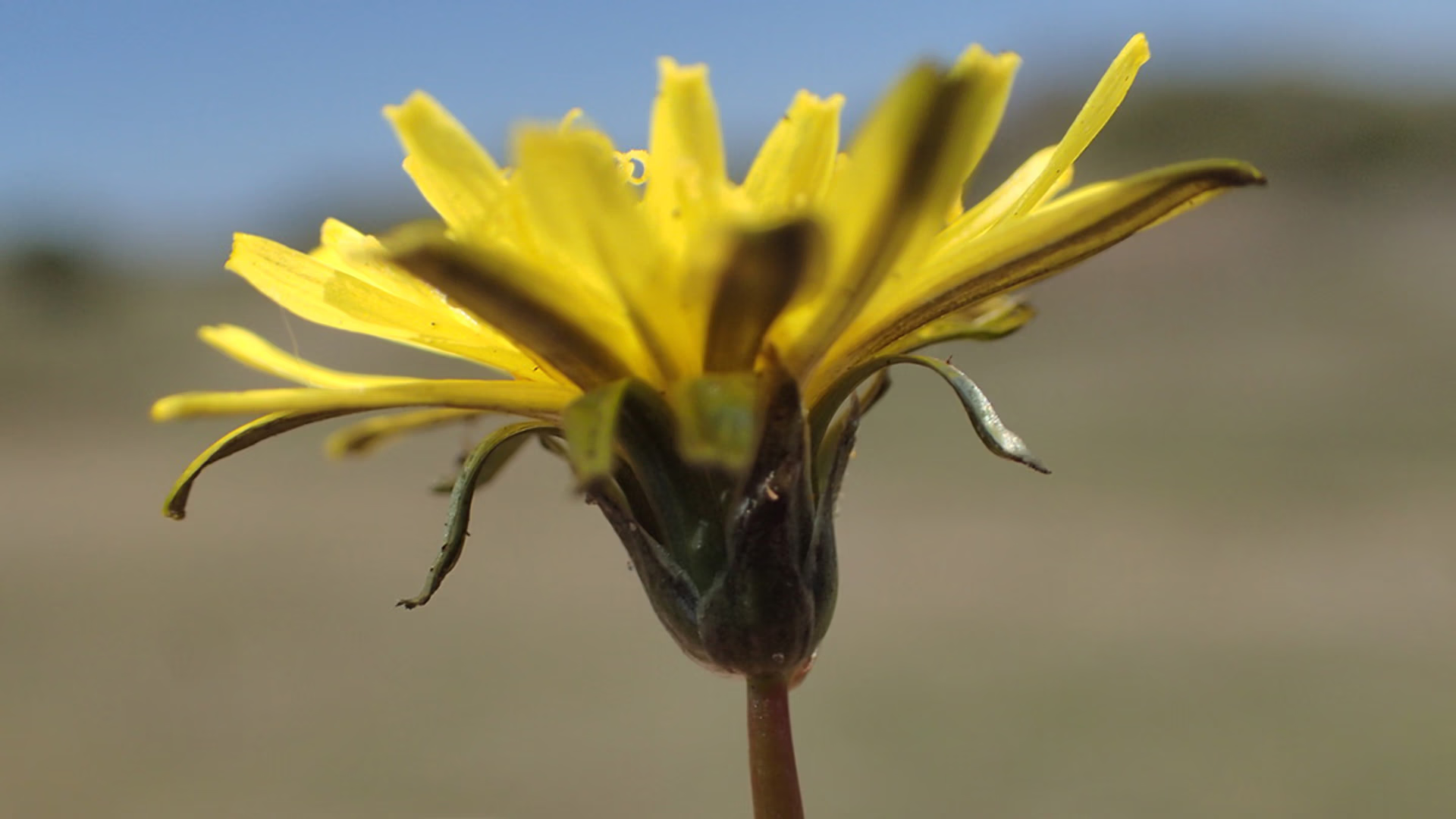
The common dandelion, often dismissed as a stubborn weed in manicured lawns, is proving to be far more complex than its reputation suggests. In a surprising botanical twist, researchers and nature enthusiasts have noted the presence of dandelions that do not produce pollen. Although this may seem like a biological failure, it is actually a glimpse into the sophisticated reproductive strategies of the Taraxacum genus.
The phenomenon of pollen-free dandelions is not a recent mutation caused by urban pollution or climate change, but rather a result of apomixis—a form of asexual reproduction where plants produce seeds without fertilization. For these plants, the energy-intensive process of creating pollen is simply unnecessary, leading to the emergence of individuals that are functionally male-sterile.
Understanding why some dandelions lack pollen requires a dive into the world of plant genetics and evolutionary efficiency. In the Netherlands, botanists such as Karst Meijer and Erik van den Ham have dedicated years to documenting the immense diversity of these plants, highlighting that the “common” dandelion is actually a collection of many different species and hybrids with varying reproductive methods.
The Science of Apomixis: Cloning in the Garden
Most flowering plants rely on sexual reproduction, where pollen from one flower fertilizes the ovule of another (or the same) flower to create a genetically unique seed. However, many species of dandelions utilize apomixis. In this process, the plant produces a seed that is a genetic clone of the parent plant, bypassing the necessitate for pollination entirely.
Because the seed is produced without the need for sperm cells (pollen), there is an evolutionary incentive for the plant to stop producing pollen altogether. Creating pollen requires significant metabolic resources. if a plant can successfully colonize an area using clones, those that “turn off” their pollen production can divert that energy toward growth, root development, or producing more seeds.
Scientific research published in the journal Heredity indicates that male sterility is a documented trait in triploid asexual dandelions. In these cases, selection often reduces the allocation of resources to male reproductive output, resulting in asexual females or hermaphrodites that do not produce viable pollen.
How to Identify a Pollen-Free Dandelion
To the casual observer, a pollen-free dandelion looks identical to a standard one. However, a closer inspection of the flower’s center reveals the difference. A typical dandelion has bright yellow, powdery pollen clinging to its anthers. A pollen-free specimen will have anthers that appear “empty” or lack the characteristic sticky, yellow dust that typically clings to visiting bees.
Is This Trend Increasing?
The question of whether pollen-free dandelions are becoming more common is often linked to the environments they inhabit. Dandelions are exceptionally hardy, having successfully adapted to suburban and urban environments where they often grow through concrete cracks. According to research in Discover Plants, Taraxacum officinale has shown remarkable success in adapting to suburban landscapes.

While there is no definitive global statistic suggesting a sudden “spike” in pollen-free individuals, the visibility of these plants may be increasing as we pay closer attention to urban ecology. In areas with fragmented habitats, asexual reproduction is a significant advantage. If a dandelion is the only one of its kind in a concrete wasteland, it cannot rely on a neighbor for pollination. Apomixis allows it to reproduce in total isolation.
The Impact on Pollinators
The rise of pollen-free plants presents a nuanced challenge for urban biodiversity. Dandelions are critical early-spring food sources for bees and other pollinators. If a significant portion of the urban dandelion population stops producing pollen, the nutritional value of these flowers decreases for the insects that visit them. While the nectar—the sugary liquid that attracts bees—is usually still present, the absence of protein-rich pollen can impact the health of local pollinator colonies.

Botanical Diversity and the “Common” Weed
The perception that there is only one type of dandelion is a common misconception. In the Netherlands alone, You’ll see more than a thousand different types of dandelions. This diversity is driven by the constant hybridization and the varying degrees of apomixis across different species.
Botanists emphasize that this genetic flexibility is exactly why dandelions are so successful. By balancing sexual reproduction (which provides genetic variety) with asexual reproduction (which ensures rapid colonization), the genus Taraxacum has created a biological “hedge” against changing environments.
Key Takeaways on Pollen-Free Dandelions
- Not a Disease: The absence of pollen is typically a genetic trait related to asexual reproduction, not a sign of plant illness.
- Energy Efficiency: Plants that don’t produce pollen save metabolic energy, which can be used for other growth functions.
- Clonal Success: Apomictic dandelions create seeds that are genetic clones of the parent, allowing them to thrive without pollinators.
- Urban Adaptation: This trait is particularly useful in isolated urban environments where cross-pollination is difficult.
What Happens Next?
As urban biologists continue to monitor the effects of “concrete jungles” on plant evolution, the study of Taraxacum serves as a bellwether for how other species might adapt to human-altered landscapes. Current research is focusing on how elevated CO2 levels and urban heat islands affect the chemistry of pollen and the overall growth patterns of these resilient plants.
For those interested in contributing to botanical knowledge, citizen science projects often track the distribution of various plant traits. Observing the pollen levels of dandelions in your own neighborhood can provide a micro-look at how nature is adapting to the modern world.
We want to hear from you: Have you noticed “empty” dandelions in your garden or city? Share your observations in the comments below or share this article with a fellow nature enthusiast.