
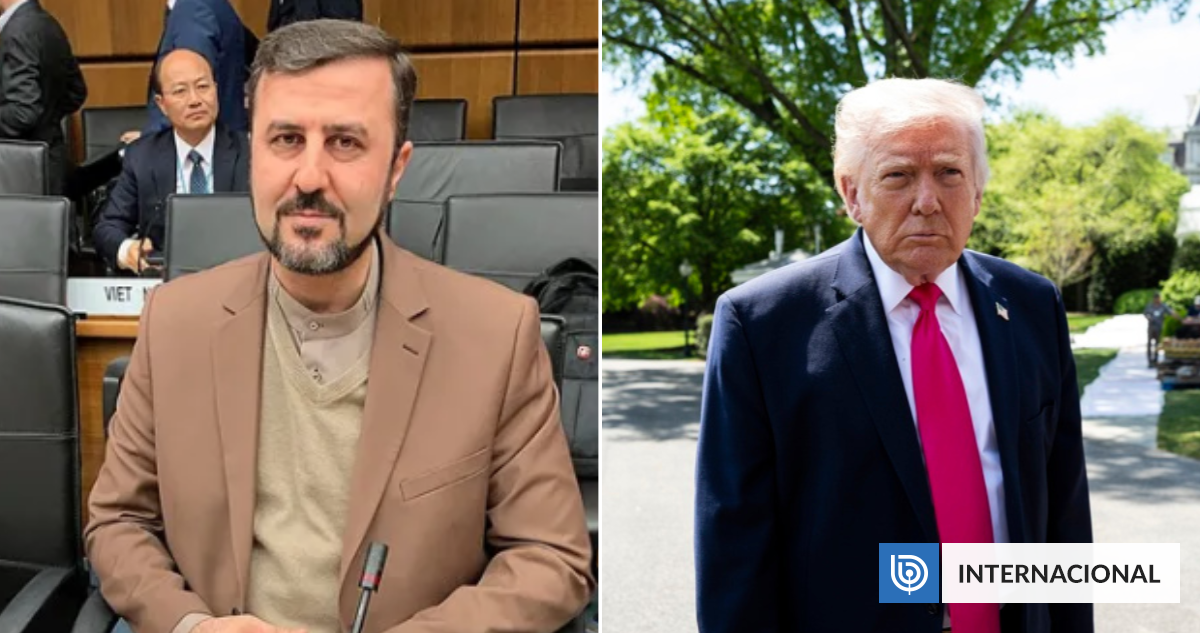
Tensions between Washington and Tehran have reached a critical juncture following the delivery of a new Iranian peace proposal intended to finish the ongoing war between the two nations. The proposal, transmitted through Pakistani mediators on Thursday evening, April 30, 2026, presents the United States with a choice between a diplomatic resolution and continued military confrontation.
U.S. President Donald Trump rejected the offer almost immediately upon delivery. Speaking on Friday, May 1, 2026, the President stated he was not satisfied
with the terms of the deal, attributing the failure to what he described as Iran’s fractured
leadership. The rejection comes at a precarious moment, as a fragile, extended ceasefire—originally imposed by the U.S. On April 7, 2026—remains the only barrier preventing a full-scale escalation of hostilities.
The diplomatic gambit, coordinated via Islamabad, attempts to decouple the immediate cessation of war from the long-term nuclear impasse. According to reports from the state-run IRNA news agency and subsequent diplomatic leaks, Iran is offering a strategic trade-off: the reopening of the shipping lanes in the Strait of Hormuz and an end to the U.S. Blockade of Iranian ports in exchange for a postponement of nuclear negotiations.
The Terms: Shipping Lanes vs. Nuclear Ambitions
At the heart of the Iranian proposal is a desire to restore commercial maritime activity. A senior Iranian official confirmed on Saturday, May 2, 2026, that the proposal would open shipping in the Strait of Hormuz and end the U.S. Blockade of Iran
, while explicitly leaving talks regarding Iran’s nuclear program for a later date according to NBC News.
This strategy represents a significant shift in Tehran’s approach, attempting to secure economic relief and maritime security before tackling the most contentious issue of the conflict. By proposing to “freeze” the nuclear debate, Iran seeks to remove the primary obstacle that has historically stalled U.S.-Iran diplomacy. However, this “sequencing” of peace—prioritizing the Strait of Hormuz over nuclear disarmament—appears to be the exact point of contention for the Trump administration.
The strategic importance of the Strait of Hormuz cannot be overstated. As the world’s most important oil transit chokepoint, any instability in the region directly impacts global energy prices. The U.S. Blockade, which has seen incidents such as the boarding of the M/V Blue Star III on April 28, 2026, by the 31st Marine Expeditionary Unit, has kept the region in a state of high alert as reported by CNBC.
Trump’s Rejection and the ‘War Powers’ Deadline
President Trump’s reaction suggests a refusal to accept any deal that does not include immediate and verifiable concessions on Iran’s nuclear capabilities. In addition to expressing his dissatisfaction with the proposal, the President informed Congress on Friday that hostilities in Iran have terminated
since the April 7 ceasefire. This claim was strategically timed to coincide with a deadline under the War Powers Resolution of 1973, which would have required the President to either request Congress for a formal declaration of war or authorize the apply of military force per CNBC reporting.

The President’s public stance remains a mixture of openness to a deal and a demand for more favorable terms. In a statement captured by Fortune, Trump noted, They want to develop a deal, I’m not satisfied with it, so we’ll see what happens
. This rhetoric underscores a “maximum pressure” strategy, where the U.S. Leverages the current ceasefire and blockade to force Tehran into a more comprehensive agreement that includes nuclear restrictions.
Key Takeaways of the Current Crisis
- The Proposal: Iran offered to reopen the Strait of Hormuz and end the U.S. Blockade if nuclear talks are postponed.
- The Response: President Trump rejected the proposal on May 1, 2026, citing dissatisfaction with the terms and Iranian leadership.
- The Mediator: Pakistan has served as the primary backchannel for these negotiations, with the latest draft delivered to Islamabad on April 30.
- The Risk: A fragile ceasefire established on April 7 remains in place, but the failure of this latest proposal increases the risk of renewed confrontation.
The Role of Pakistan as a Diplomatic Bridge
The use of Pakistan as a mediator highlights the complex geopolitical web of the Middle East and South Asia. Islamabad has attempted to facilitate a “backchannel” to prevent a wider regional war that would destabilize its own borders. The delivery of the proposal to Pakistani officials on Thursday evening indicates that Tehran views Islamabad as one of the few remaining viable conduits to the White House.

Despite these efforts, the history of these talks has been fraught. Reports indicate that U.S. And Iranian negotiators have met in Pakistan only once previously, and those talks ended in failure. The current attempt to use Pakistan to bridge the gap between a “blockade-and-pressure” strategy and a “diplomacy-first” approach has yet to yield a breakthrough.
What Happens Next?
With the latest proposal rejected and the “War Powers” deadline addressed via the ceasefire claim, the international community is watching for Iran’s next move. Tehran has previously hinted that if diplomacy fails, it may employ new cards
via its Navy to challenge the U.S. Presence in the region, according to reports from the IRGC via The Hindu.
The immediate focus remains on whether the extended ceasefire will hold or if the “choice between diplomacy and confrontation” mentioned by Iranian officials will lean toward the latter. There is currently no scheduled date for a second round of formal talks, and the U.S. Has not indicated a willingness to lift the blockade without a nuclear breakthrough.
The next critical checkpoint will be the official response from the Iranian government to President Trump’s public rejection, as well as any further communications channeled through the Pakistani mediators in the coming days.
World Today Journal encourages readers to share this report and join the discussion in the comments below regarding the stability of global shipping lanes and the future of nuclear diplomacy.