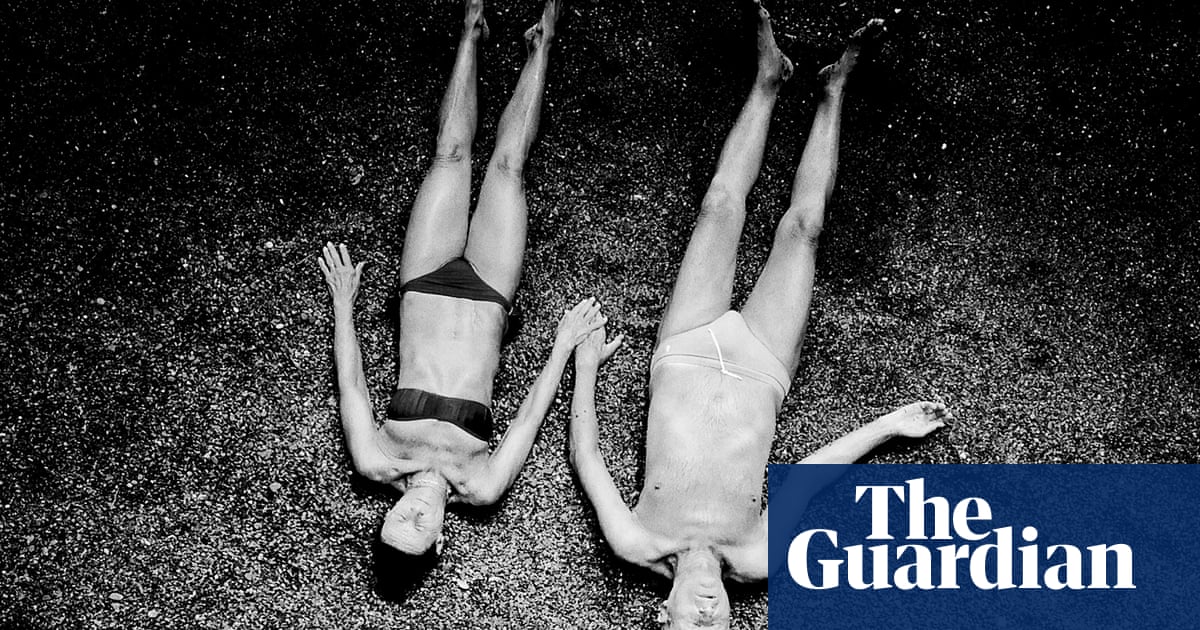
A single, unadorned gesture can often communicate more than a thousand words. This philosophy sits at the heart of Marina Sersale’s monochrome photography, a visual odyssey that strips away the distraction of color to reveal the raw emotional architecture of the human experience. Through her lens, the world is transformed into a study of contrasts, where the interplay of light and shadow defines the boundaries between reality and imagination.
Sersale’s work, most notably captured in her series Liminal Space, serves as a personal document of a world observed with patience and precision. From the rain-slicked platforms of Italian metro stations to the minimalist concrete lines of Japanese museums, her images invite the viewer to pause in the “spaces between,” capturing fleeting moments that might otherwise vanish into the noise of modern life.
The project was first conceived as Sersale wandered her native city of Rome, eventually evolving into a global exploration. Published by Gost, Liminal Space brings together more than a decade of work, reflecting an artistic journey that is both deeply personal and continually evolving. For Sersale, the monochrome medium is not merely a stylistic choice but a tool for exploration, allowing her to focus on texture, form, and the quiet intimacy of human connection.
Capturing the Global Liminal: From Naoshima to Naples
Sersale’s photography is characterized by a keen eye for geometry and atmosphere. In Japan, she found inspiration in the works of architect Tadao Ando. Specifically, at the Tadao Ando Benesse museum in Naoshima, Sersale captured the stark beauty of cement walls. She has noted her admiration for the lines, light, and texture of Ando’s architecture, which serves as a backdrop for her exploration of space.
While her architectural work is precise, her photographs of people are defined by a tender, observational quality. In Positano, Sersale captured a couple holding hands on the seashore, a moment she describes by saying, “I love the way that simple gesture says it all.” This ability to distill complex emotions into a single image is a recurring theme in her portfolio, whether she is documenting “sweet nothings” at the exit of the Toledo metro station in Naples on a rainy day or the way a woman leans against wooden scaffolding in central Rome.
Her work also explores the concept of layering and perspective. During a ferry trip along the Amalfi coast, Sersale focused on the way layers materialise when viewed through a window, turning a transit moment into a study of depth and framing. In Palermo, a city she describes as “totally magical,” she found one of her favorite environments for photography, further cementing her connection to the diverse landscapes of Italy.
The Evolution of an Artist: From Film to Photography
Marina Sersale’s transition to photography was not her first foray into visual storytelling. A former documentary film-maker, she returned to the still image in late 2012. This return marked the beginning of a shift toward a more personal artistic expression, moving away from the structured narratives of documentary film toward the evocative, atmospheric captures found in Liminal Space.

This artistic evolution is mirrored by a life deeply rooted in the intersection of heritage, hospitality, and aesthetics. Born in Rome, Sersale is part of the Sersale family, which founded and continues to own the Hotel Le Sirenuse. Located in Positano on the Amalfi Coast, the five-star hotel is housed in an 18th-century palazzo and is renowned for its blend of antique art and contemporary installations.
The family’s legacy of hospitality began at the end of World War II, when four brothers of the noble Neapolitan Sersale family reunited in Positano to share their palazzo with the world. This environment of curated beauty and historical depth likely influenced Sersale’s own aesthetic sensibilities, emphasizing the importance of site-specific art and the timelessness of classical style.
A Legacy of Scent and Sight
Beyond the visual arts, Sersale has extended her creative vision into the realm of fragrance. In 2004, to commemorate the 50th anniversary of Hotel Le Sirenuse, Marina Sersale and Sebastián Alvarez Murena created Eau d’Italie. What began as the hotel’s signature fragrance evolved into a full collection of exclusive fragrances and body care products inspired by the essence of Italy.
The creation of Eau d’Italie represents another facet of Sersale’s ability to capture the “spirit” of a place. Just as her photography distills the atmosphere of a rainy day in Naples or the light of a Roman afternoon, her work in perfumery seeks to evoke the sensory identity of the Italian landscape. This multidisciplinary approach—spanning film, photography, and fragrance—highlights a consistent drive to explore how memory and emotion are triggered by our surroundings.
Key Artistic Themes in ‘Liminal Space’
| Location | Key Focus/Element | Artistic Intent |
|---|---|---|
| Naoshima, Japan | Tadao Ando Benesse Museum | Exploration of cement textures, lines, and light. |
| Positano, Italy | Couples on the seashore | Capturing the power of simple human gestures. |
| Naples, Italy | Toledo metro station | Atmospheric study of rain and intimacy. |
| Rome, Italy | Urban scaffolding and streets | Study of slanting light and city textures. |
| Amalfi Coast | Ferry window views | Investigation of visual layering. |
As Sersale continues to document the world around her, her work remains a testament to the power of slowing down. By focusing on the liminal—the threshold between one state and another—she captures the quiet, often overlooked moments that define the human condition. Whether through the starkness of a black-and-white photograph or the complex notes of a fragrance, her work is an invitation to find magic in the mundane and meaning in the silence.
For those interested in following the evolution of her work, Marina Sersale continues to maintain her professional presence through her official website at marinasersale.com.
We invite our readers to share their thoughts on the power of monochrome photography in the comments below. How does the absence of color change your perception of a scene?