
A United States Marine Corps fighter jet crashed in a remote, mountainous area north of Rimrock Lake in Washington state on the afternoon of May 23, 2024, triggering a wildfire in the surrounding woodlands. The pilot successfully ejected from the aircraft before impact and was subsequently recovered by emergency responders. No fatalities were reported in the incident, which occurred within the rugged terrain of the Yakima Training Center vicinity.
The aircraft, identified as an F/A-18E Super Hornet assigned to the 3rd Marine Aircraft Wing, went down during a routine training flight, according to official statements released by the U.S. Marine Corps. The crash site, located in a heavily forested region south of Mount Rainier, quickly developed into a wildfire as debris ignited the dry vegetation. Local fire crews and federal land management agencies were dispatched to the scene to contain the blaze and secure the crash perimeter.
Response and Containment Efforts
Following the pilot’s ejection, local authorities and military personnel initiated a search and rescue operation. The pilot was located shortly after the crash and transported to a medical facility for evaluation, as reported by the Yakima Herald-Republic. While the military has not disclosed the specific nature of the pilot’s injuries, officials confirmed the individual was conscious and alert upon recovery.
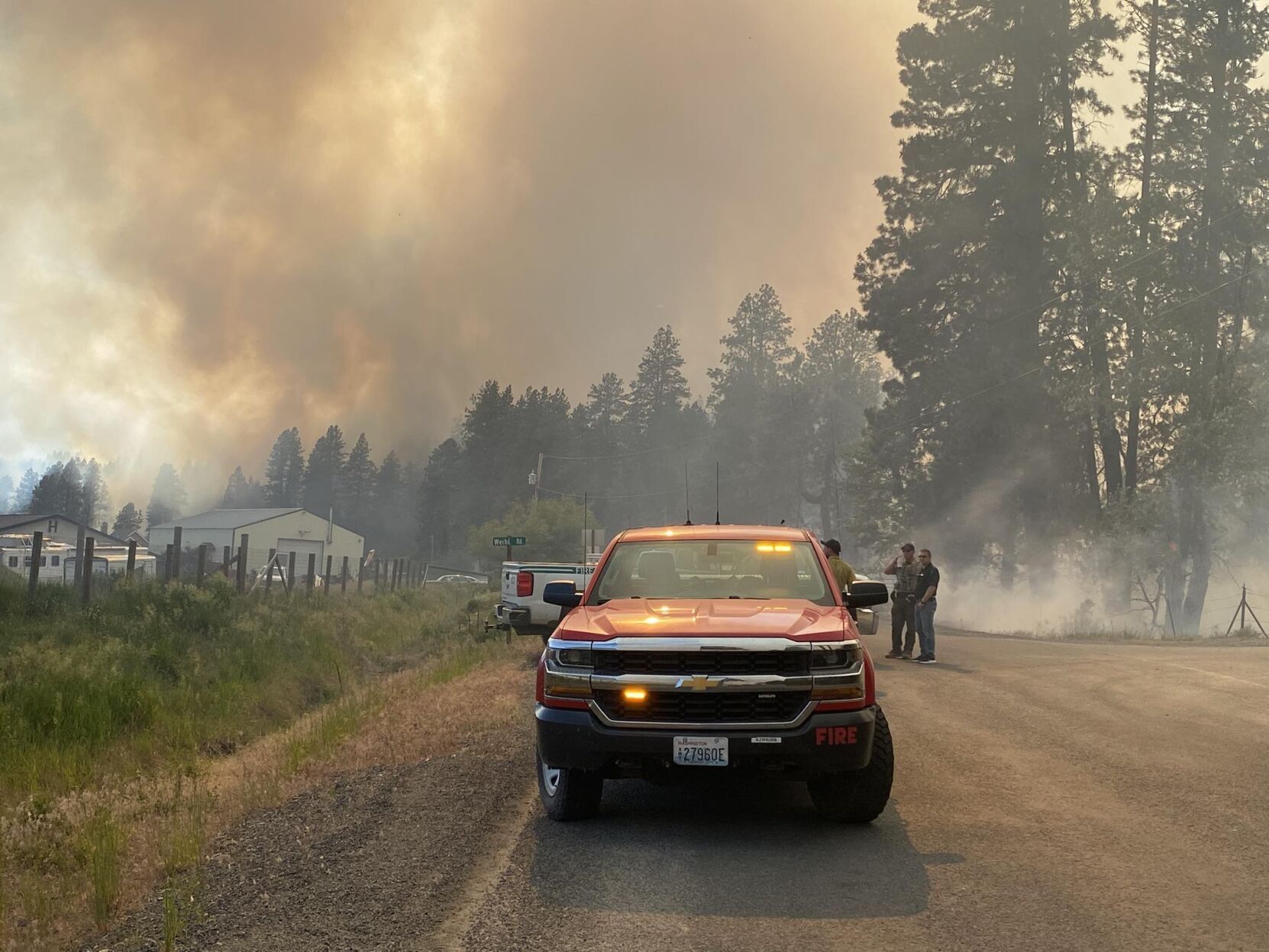
The resulting wildfire prompted an immediate multi-agency response, involving the U.S. Forest Service and local fire districts. The terrain, characterized by steep slopes and dense timber, presented significant logistical challenges for ground crews attempting to reach the ignition point. According to reports from the CBS News network, aerial resources were utilized to drop fire retardant on the area to prevent the flames from spreading further into the Okanogan-Wenatchee National Forest. The fire was contained within a localized area, preventing threats to nearby residential communities or major infrastructure.
Investigation Into the Crash
The U.S. Marine Corps has launched a formal investigation to determine the root cause of the incident. In accordance with standard Department of Defense procedures for aviation mishaps, a flight safety board has been convened to analyze flight data recorders, maintenance records, and witness accounts. The investigation process typically involves a thorough review of the mechanical systems of the F/A-18E, as well as an assessment of environmental conditions at the time of the flight, as detailed in Naval Air Systems Command safety protocols.
Military officials have stated that the wreckage will be recovered as part of the investigative process, though the remote nature of the crash site may extend the timeline for site cleanup and environmental remediation. The Marine Corps has requested that the public avoid the area near Rimrock Lake to allow recovery teams to operate safely and to ensure the integrity of the crash investigation site.
Context of Military Aviation Safety
Training missions in the Pacific Northwest are common for military pilots due to the region’s diverse topography and proximity to specialized training ranges. This incident marks a notable event in the region’s recent aviation history, drawing attention to the safety protocols governing high-performance jet operations over public lands. Previous aviation incidents in Washington have underscored the importance of rapid coordination between military command and local emergency services.
The U.S. Marine Corps has committed to providing periodic updates regarding the investigation as information becomes verified and cleared for public release. Further details concerning the specific mechanical failure or pilot-reported issues will likely be finalized in a comprehensive accident report, which can take several months to complete, depending on the complexity of the evidence collected at the site. Interested parties can monitor official updates through the official U.S. Marine Corps news portal for future announcements regarding the investigation’s findings.
The area remains under restricted access as fire crews continue to monitor for hot spots and military recovery teams finalize their site work. Readers are encouraged to share this article or provide comments on the ongoing recovery efforts as official updates become available.
Related reading