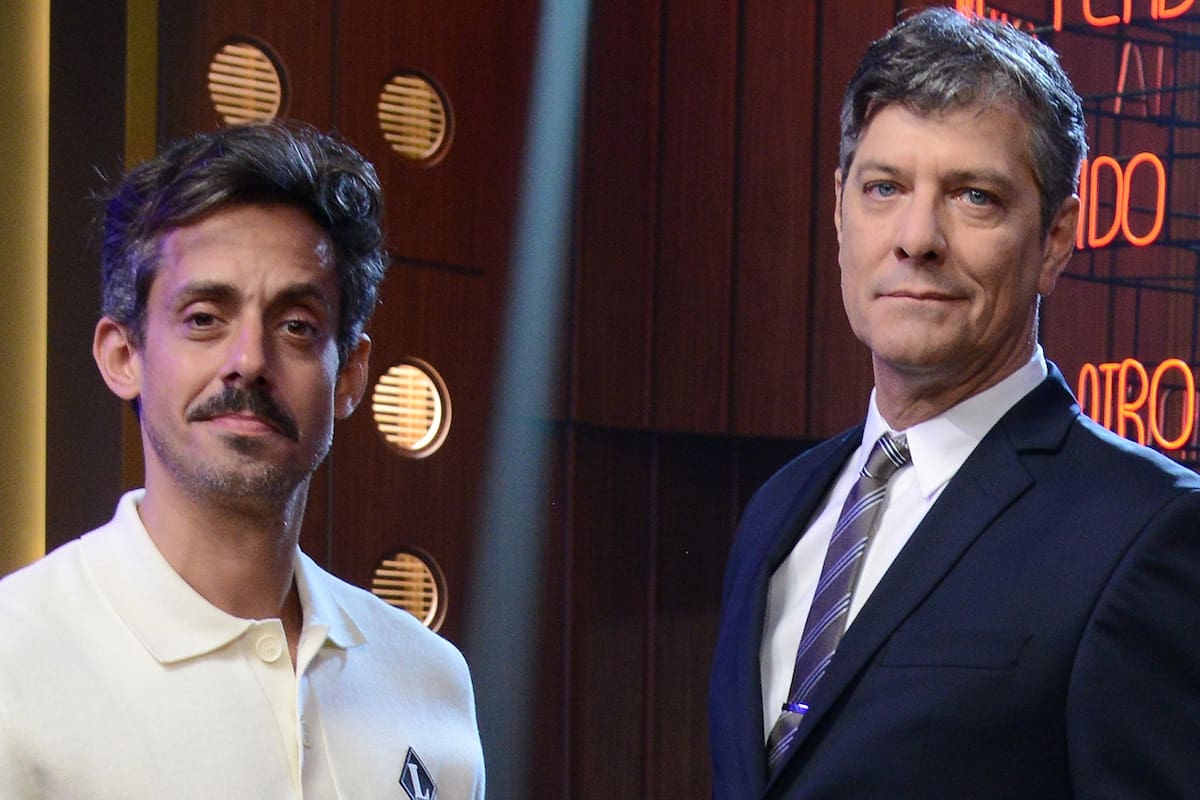
The landscape of Argentine media is currently abuzz with reports regarding the professional relationship between veteran broadcaster Mario Pergolini and entertainer Agustín “Rada” Aristarán. As followers of the industry know, public friction between high-profile figures often generates significant speculation, particularly when it occurs within the high-pressure environment of live television production. Recently, commentary regarding a perceived “fight” between the two has circulated widely, prompting Pergolini to address the situation directly to clarify the nature of their working dynamic.
For those tracking the latest developments in Argentine entertainment news, the discourse centers on alleged tension surrounding production schedules and professional commitments. Pergolini, a titan of the local broadcasting scene with a long history in both radio and television—notably as the founder of Vorterix—has navigated various public controversies throughout his career. This latest episode underscores the complexities of modern media collaborations, where the lines between professional feedback and interpersonal conflict often blur in the public eye.
Addressing the Rumors: A Look at the Professional Friction
The narrative surrounding the alleged conflict gained momentum following reports of absences and internal adjustments within their shared project, “Otro Día Perdido.” In the world of live media, consistency is a cornerstone of success, and when a key talent is absent, it inevitably sparks questions regarding internal stability. Mario Pergolini’s recent statements were intended to contextualize these “faltazos” (absences), framing the issue as a professional hurdle rather than a personal vendetta.


Pergolini noted that the team is indeed navigating a “grave problem,” a phrase that, while dramatic in isolation, points toward the logistical realities of coordinating a high-profile broadcast. The media landscape in Argentina, governed by complex labor agreements and production standards set by entities such as the Sindicato Argentino de Televisión (SATSAID), often requires rigorous adherence to schedules to maintain broadcast quality and advertiser confidence, as outlined in industry guidelines accessible through the official SATSAID portal.
Agustín “Rada” Aristarán, known for his versatile career as a comedian, magician, and host, has also addressed the narrative. By acknowledging the situation and offering a public explanation, the intent appears to be a de-escalation of the rumors. In professional media, the ability to reconcile creative differences while maintaining a public-facing product is a common challenge, one that frequently plays out in the headlines of regional news outlets.
The Dynamics of Collaborative Media
What makes this situation particularly resonant for fans is the contrast in the public personas of both men. Pergolini represents a more traditional, executive-led style of broadcasting, while Aristarán embodies the new wave of multi-platform digital talent. When these worlds collide, differences in work culture—such as expectations regarding punctuality and creative input—can naturally lead to friction.
The “parody” of the situation during live broadcasts serves as a classic media tactic: turning a controversy into content. By leaning into the narrative, the production team attempts to mitigate the “internal drama” label while simultaneously keeping the audience engaged. This strategy is not uncommon in television, where the “meta-narrative” of the show itself becomes a secondary plotline for viewers.
According to general industry reports from major Argentine media observers, the tension appears rooted in the challenges of balancing external professional opportunities with the demands of a daily television commitment. Maintaining a consistent cast is essential for viewer retention, a metric that remains the primary focus for network executives at Canal Trece, whose programming guidelines can be reviewed at El Trece’s official website.
Key Takeaways: Understanding the “Internal” Conflict
- Nature of the Conflict: The reported tension is largely attributed to scheduling conflicts and the professional expectations of a daily live broadcast format.
- Public Response: Both Pergolini and Aristarán have moved to address the rumors, with the latter offering explanations regarding his recent absences from the program.
- Media Strategy: The decision to acknowledge and even parody the situation on-air is a common industry practice to convert negative press into viewer engagement.
- Professional Context: The incident highlights the ongoing evolution of Argentine television, where digital-native talent and traditional broadcasting structures must find common ground.
What Happens Next?
The current status of the program remains operational, and both parties appear to be continuing their professional engagement. For viewers and industry analysts alike, the next checkpoint will be the consistent presence of all key personnel during upcoming live segments. In the fast-paced world of Argentine media, stories of this nature often resolve as quickly as they emerge, provided that the professional output continues to meet the network’s requirements.
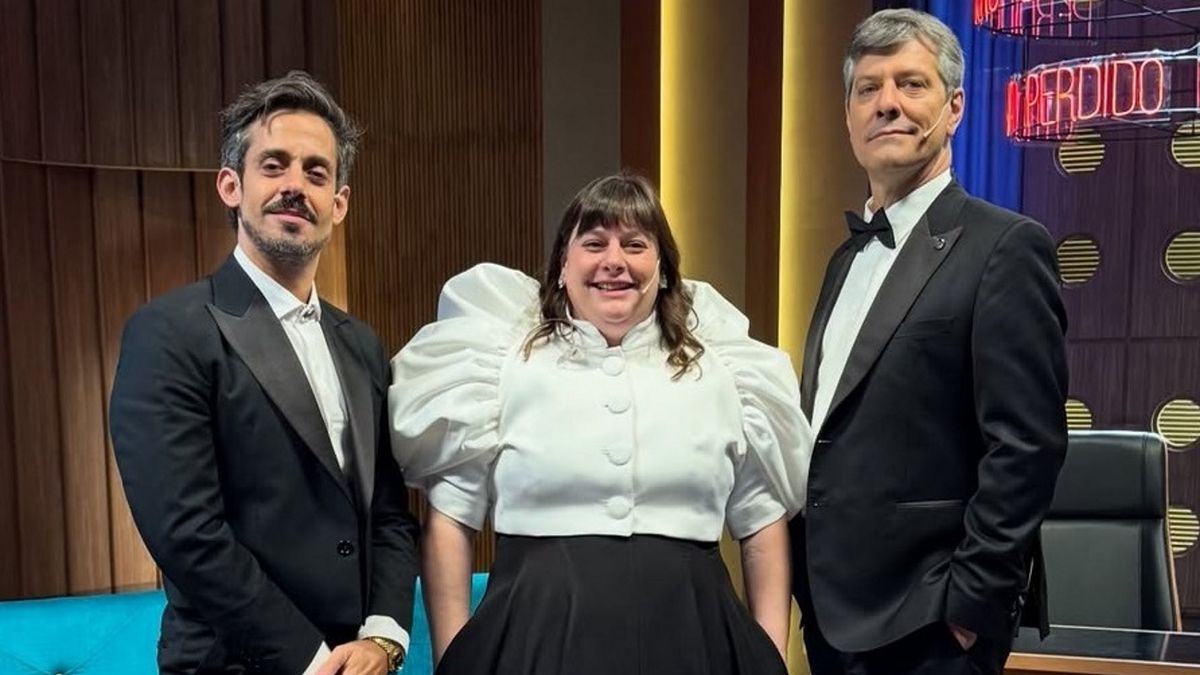
As we continue to monitor this story, it serves as a reminder of how high-stakes collaboration requires constant communication. Whether this “grave problem” is a temporary bump in the road or a sign of deeper structural changes in the show’s production remains to be seen. We invite our readers to share their thoughts on the evolution of Argentine television and how they perceive these high-profile media dynamics in the comments section below.
Carlos Mendes is the Sports Editor for World Today Journal. With over 13 years of experience in international journalism, he provides expert analysis on media, sports, and cultural trends from his base in Lisbon, Portugal.
Worth a look
- Miroslav Nemec: Life After “Tatort” and His New Projects
- Love Island 2026 Shock Finale: Fan-Favorite Couple Dumped Just Before Final
- The Schumann Resonance, Explained: Real Physics Behind a Wellness Myth (daybreakwire.com)
- TikTok Video Sparks Controversy Over Her ‘Entertained’ Dinner Experience (archynewsy.com)