
The German healthcare system is facing a critical financial crossroads as statutory health insurance funds grapple with widening deficits, sparking a heated political battle over how to plug the gap without crippling the workforce. At the center of this debate is Markus Söder, the Minister-President of Bavaria and a leading figure in the Christian Social Union (CSU), who is calling for significant corrections to the federal government’s approach to healthcare savings.
The crisis stems from a structural imbalance in the Gesetzliche Krankenversicherung (GKV), or statutory health insurance, which covers the vast majority of the German population. With rising costs for medical technology, an aging demographic and the lingering financial aftershocks of the pandemic, the system is struggling to maintain its solvency. The resulting “savings packages” proposed by the federal government have drawn sharp criticism for focusing on short-term austerity rather than long-term systemic reform.
For global observers and investors, the situation in Germany is a bellwether for how developed nations manage the intersection of aging populations and universal healthcare. Söder’s demands for Nachbesserungen
—or improvements and corrections—reflect a broader ideological clash between the current coalition government’s management and the opposition’s demand for efficiency-driven restructuring.
The Financial Gap: Why the GKV is Straining
The urgency of the current debate is driven by a massive funding shortfall. According to reports on the German healthcare budget, the statutory health insurance system is facing a deficit that necessitates either an increase in contribution rates or a direct infusion of federal tax money. When the government introduces a savings package to address these losses, the primary tension arises from who bears the cost: the state, the employer, or the employee.
Currently, the health insurance contribution is split roughly equally between employers and employees. Any increase in the supplementary contribution rate—the portion determined by individual insurance funds—directly reduces the take-home pay of millions of German workers. Söder has argued that simply raising these rates is a failure of governance, suggesting that the federal government is using the insurance funds as a piggy bank
to hide its own budgetary shortcomings.
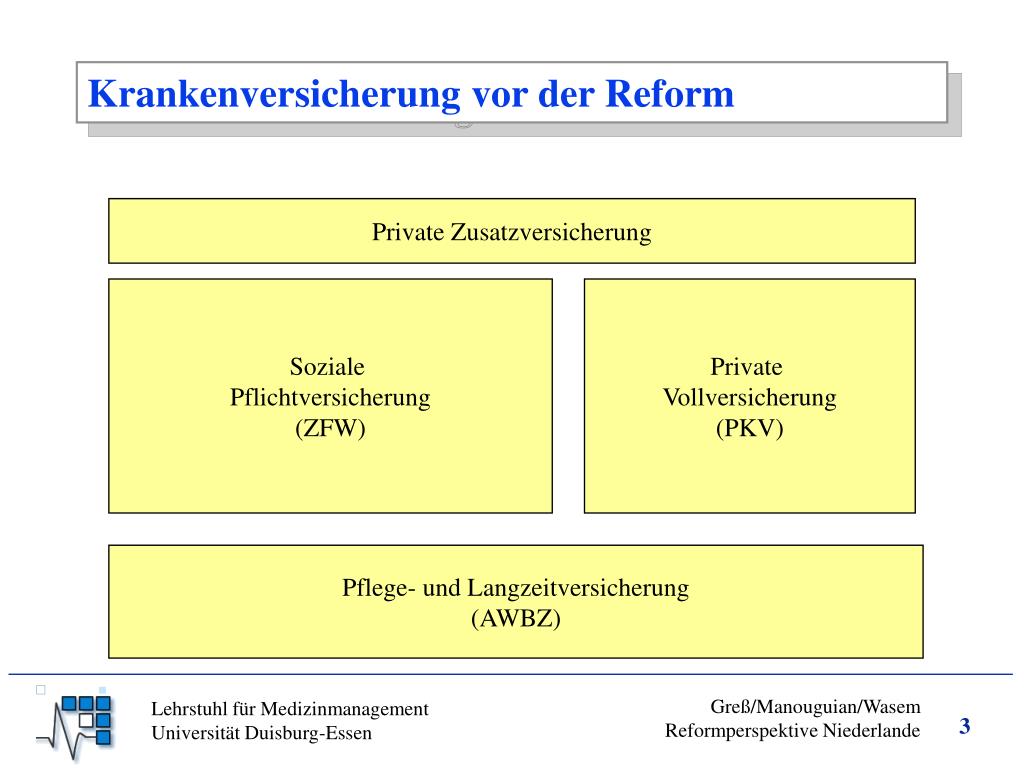
The complexity of the GKV is compounded by the dual system of public and private insurance. Critics of the current “savings” approach argue that the government is failing to address the inefficiency of this split, which some believe leads to a two-tier system of care and inefficient resource allocation across the board.
Markus Söder’s Critique of the Savings Package
Markus Söder has positioned himself as a champion of structural efficiency, arguing that the federal government’s current strategy is a superficial fix. He contends that the proposed savings measures do not travel far enough in digitizing the healthcare sector or reducing bureaucratic overhead, which he views as the primary drivers of waste.

Söder’s demands for “Nachbesserungen” focus on several key pillars: the acceleration of digital health records, the reduction of redundant diagnostic procedures, and a more aggressive approach to auditing how federal subsidies are utilized by the insurance funds. He has consistently pushed for a model that incentivizes efficiency rather than one that relies on the automatic escalation of premiums.

“The current approach is a recipe for failure that places the burden of systemic inefficiency on the shoulders of the hardworking middle class.” Markus Söder, Minister-President of Bavaria
By framing the issue as one of fairness and modernization, Söder is not only challenging the Federal Ministry of Health but is similarly signaling the CSU’s priorities ahead of future electoral cycles. The insistence on “improvements” to the savings package is a demand to shift the financial burden away from the payroll and toward a more sustainable, tax-funded or efficiency-funded model.
Stakeholders and the Human Impact
The political maneuvering in Berlin and Munich has tangible consequences for various stakeholders across the German economy:
- Employees: For the average worker, the failure to find an alternative to contribution hikes means lower net income. In a period of inflation, this effectively acts as a tax increase.
- Employers: Companies are facing higher non-wage labor costs, which can reduce competitiveness, particularly for small and medium-sized enterprises (the Mittelstand).
- Healthcare Providers: Hospitals and clinics, many of which are already underfunded, fear that “savings packages” will lead to cuts in staffing or the deferral of necessary equipment upgrades.
- Patients: There is a growing concern that austerity measures will lead to longer wait times for specialists and a reduction in the availability of certain preventative services.
The debate also touches on the role of the SPD (Social Democratic Party), which often emphasizes the protection of the social safety net. While the SPD seeks to maintain the breadth of coverage, Söder and the CSU argue that without structural reform, the very quality of that coverage will inevitably decline.
The Path Toward Reform: What Happens Next
The resolution of this conflict will likely depend on the upcoming budget negotiations and the legislative calendar of the Federal Ministry of Health. The government must decide whether to grant the “improvements” demanded by Söder and other critics or to push through the current austerity measures to stabilize the funds quickly.
Analysts suggest that a compromise may involve a temporary increase in federal subsidies to the GKV, paired with a legally mandated timeline for the implementation of digital health reforms. Such a move would satisfy the immediate need for liquidity while addressing Söder’s demand for long-term structural change.
Key points of contention that will likely remain in the spotlight include:
- The exact percentage of the contribution increase for 2026.
- The speed of the rollout for the electronic patient record (ePA).
- The redistribution of funds between urban centers and rural healthcare providers.
Summary of the Healthcare Financial Dispute
| Issue | Federal Coalition Approach | Söder/CSU Position |
|---|---|---|
| Funding Gap | Combination of contribution hikes and limited subsidies. | Demand for systemic efficiency and higher state accountability. |
| Cost Burden | Shared between employer and employee. | Shift burden away from payroll to avoid economic drag. |
| Primary Solution | Short-term austerity and budget balancing. | Digital transformation and bureaucratic reduction. |
| Urgency | Immediate stabilization of funds. | Immediate structural “Nachbesserungen” (corrections). |
As Germany continues to navigate these financial headwinds, the outcome of this political struggle will determine the sustainability of one of the world’s most comprehensive healthcare systems. The world will be watching to notice if the “Bavarian approach” of efficiency-led reform can find a place in the federal strategy.
The next critical checkpoint will be the upcoming quarterly financial report from the statutory health insurance funds, which will reveal the exact scale of the deficit and likely trigger a new round of legislative negotiations in the Bundestag.
Do you think the burden of healthcare costs should fall on the taxpayer, the employer, or the patient? Share your thoughts in the comments below or share this analysis with your network.
Related reading