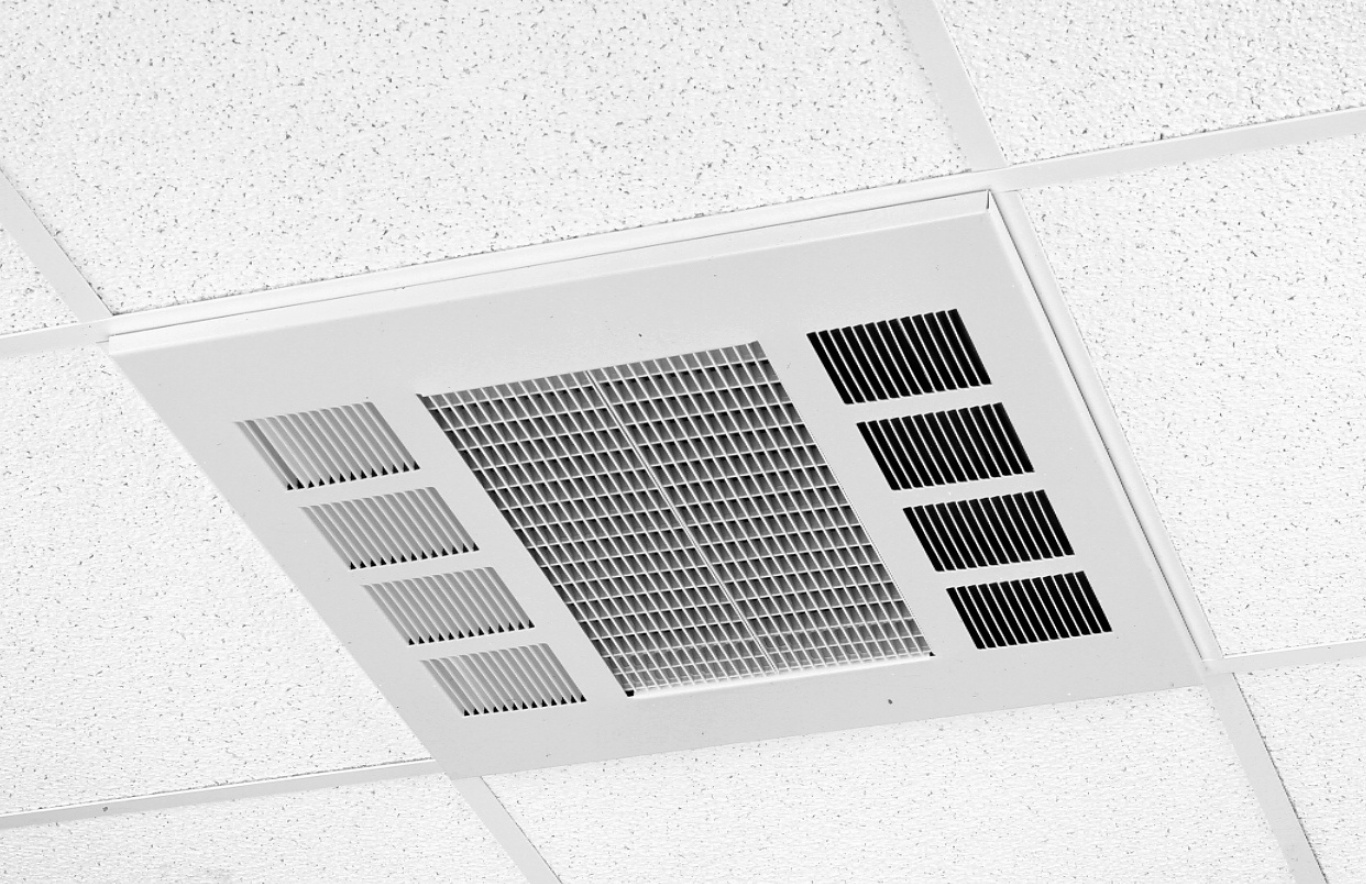
Maintaining a comfortable indoor environment in commercial and industrial facilities often requires specialized solutions that do not compromise architectural aesthetics. For many facility managers and building engineers, a ceiling heater offers a strategic way to provide supplemental warmth in areas where wall space is at a premium or where floor-level equipment would be obstructive.
When selecting climate control hardware, professionals typically evaluate factors such as installation footprint, integration with existing building management systems, and thermal efficiency. Modern downflow systems, such as those manufactured by Marley Engineered Products, are designed specifically to address these requirements in environments ranging from office lobbies and conference rooms to complex industrial spaces.
Design Considerations for Overhead Climate Control
The primary advantage of a ceiling-mounted heating unit is its ability to provide unobtrusive comfort. By utilizing vertical space, these units effectively distribute heat downward, which is particularly useful in entryways or high-traffic corridors where maintaining a consistent temperature is essential for occupant comfort. According to engineering specifications for these units, installation flexibility is a key design priority, with models available in both surface-mount and recessed-enclosure configurations.
For facility teams, the choice between these mounting styles often depends on the ceiling type and the available plenum depth. Surface-mounted units typically extend approximately 6 inches into the room, while recessed models require a clearance of about 7 inches. This level of precision allows for a cleaner aesthetic, ensuring that the heating hardware blends into the ceiling plane rather than appearing as an afterthought.
Integration and Operational Efficiency
Modern building infrastructure demands high levels of connectivity. Many contemporary ceiling heaters are engineered to interface with central building management systems (BMS) through the use of optional relays. This capability allows for centralized control, enabling facility managers to optimize energy usage based on real-time occupancy data and scheduled temperature fluctuations.
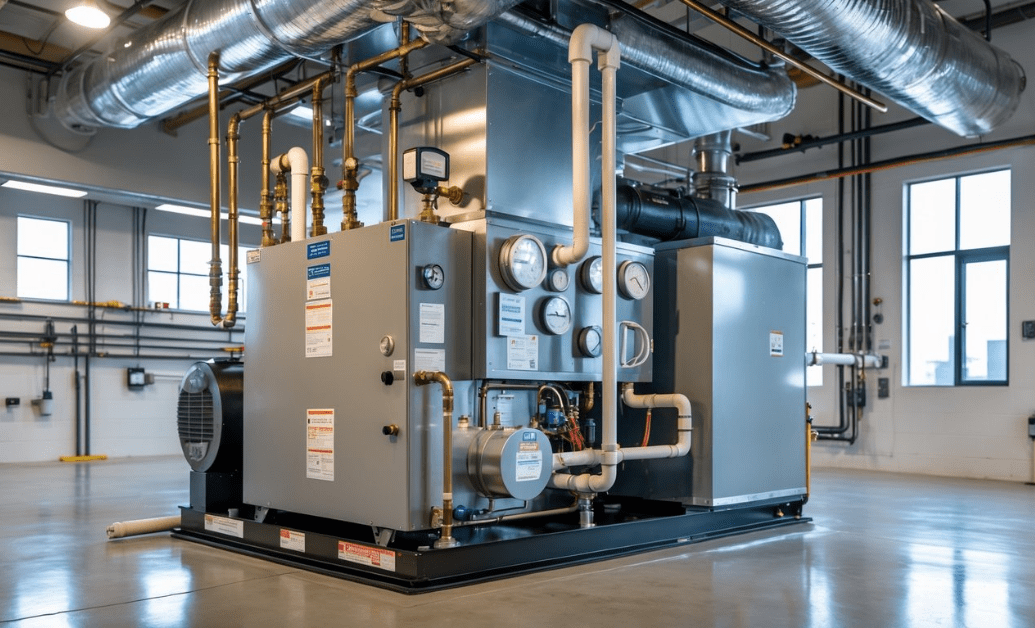
Operational logic is another critical component of modern heating design. To ensure both safety and energy efficiency, many units feature a specialized fan cycle. The fan remains inactive until the heating element reaches a predetermined threshold—typically within a range of 45 to 90 degrees Fahrenheit—ensuring that only warm air is circulated into the space. These systems are designed to discharge residual heat before shutting down, a feature that protects the internal components and improves the overall longevity of the equipment.
Installation and Maintenance Best Practices
Ease of installation is a major factor in reducing labor costs during retrofits or new construction. Some manufacturers have integrated features such as thumb pins that hold the unit assembly together, allowing technicians to work more efficiently by keeping their hands free during the mounting process. Whether installing into a drop ceiling or a hard-surface enclosure, the focus remains on minimizing downtime and ensuring a secure, code-compliant fit.
For those interested in the technical standards regarding electrical heating equipment, the National Fire Protection Association (NFPA) 70, National Electrical Code (NEC) provides comprehensive guidelines on the safe installation of fixed electric space heating equipment. Adhering to these standards is essential for maintaining building safety and insurance compliance in any commercial setting.
Key Takeaways for Facility Management
- Space Optimization: Ceiling-mounted units free up valuable floor and wall space in high-traffic commercial areas.
- System Connectivity: Integration with building management systems via relays allows for automated, energy-efficient temperature regulation.
- Thermal Precision: Advanced fan-delay logic ensures that only heated air is discharged, preventing cold drafts during the startup phase.
- Installation Versatility: Available in both recessed and surface-mount options to accommodate various ceiling architectures.
As building standards continue to evolve toward higher energy efficiency, the role of supplemental heating in commercial design remains significant. Future developments in this sector are expected to focus on further integration with smart building sensors and more granular control over thermal output. For the latest updates on building codes and equipment standards, facility managers are encouraged to consult official publications from the American Society of Heating, Refrigerating and Air-Conditioning Engineers (ASHRAE) regarding climate control best practices.
We welcome our readers to share their experiences with ceiling-mounted heating solutions in the comments section below. Have you successfully integrated these systems into your facility, or do you have questions about specific installation challenges? Join the conversation and let us know your thoughts.
- Beyond Disclosure: Why Healthcare Price Transparency Fails Without Patient Understanding
- Secret Behind Ancient Chinese Rock Paintings Revealed by New Research
- Cisco at TechNet Augusta 2026: Secure Tactical Edge Solutions (news-usa.today)
- EPFO Wage Ceiling Could Rise to ₹25,000 Under Government Proposal (archyworldys.com)