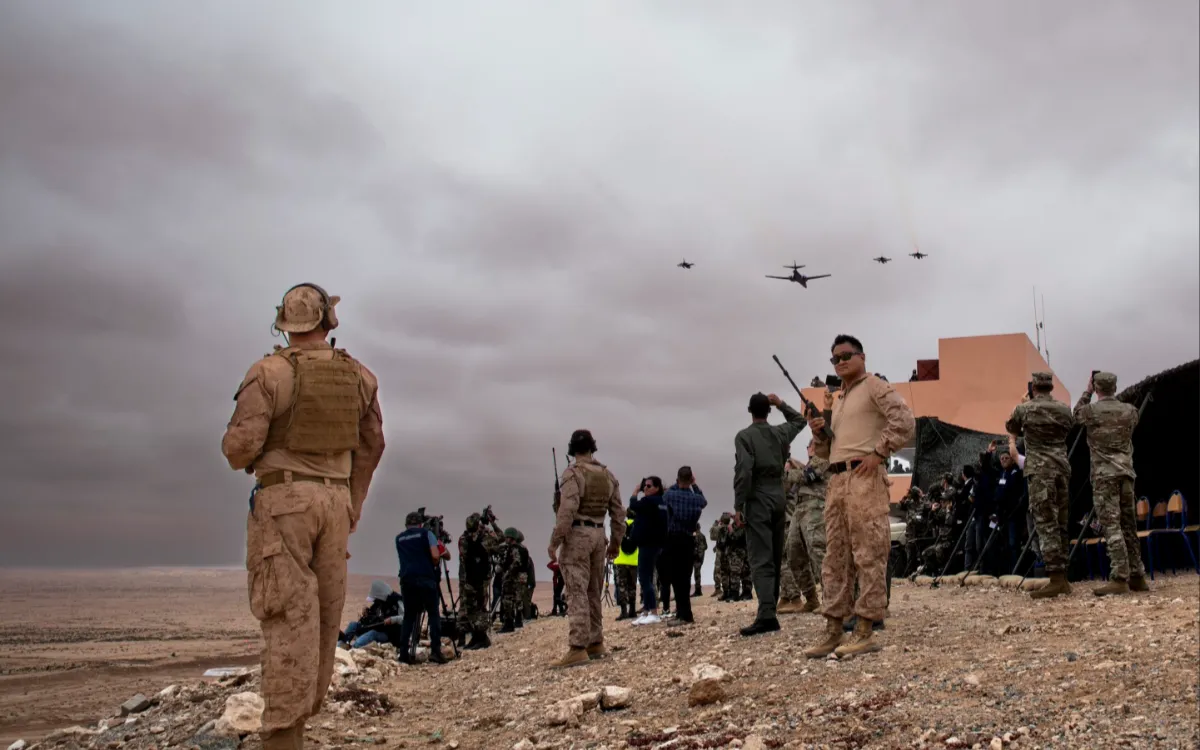
The evolving defense architecture between Morocco and the United States has once again drawn scrutiny over regional military installations, amid ongoing discussions regarding strategic cooperation and logistical infrastructure in North Africa. According to regional reporting and defense analysts, bilateral military collaboration between Rabat and Washington has intensified through joint exercises and modernization programs, while formal designations for specific facilities continue to navigate diplomatic sensitivities.
As transatlantic defense ties anchor long-term security strategies in the region, the expansion of joint training grounds and logistics hubs highlights a pragmatic approach to counterterrorism and regional stability. Observers note that while the terminology used by officials often avoids permanent base designations due to domestic and regional political considerations, the functional reality of increased interoperability and equipment prepositioning is unmistakable.
Strategic Defense Cooperation and Bilateral Frameworks
Military cooperation between Morocco and the United States operates under formal bilateral agreements, notably the 10-year roadmap for defense cooperation signed in 2020. This framework facilitates regular joint exercises, such as the annual African Lion maneuvers, which remain the U.S. military’s largest combined exercise on the African continent. According to United States Africa Command (USAFRICAD), these exercises focus on enhancing readiness, strengthening interoperability, and countering regional threats.

Infrastructure developments tied to these agreements often support dual-use capabilities, serving both Royal Armed Forces (FAR) operations and U.S. logistical needs. Defense analysts point out that rather than establishing traditional, permanent U.S. combat garrisons akin to Cold War-era installations in Europe, both nations favor cooperative use arrangements. These arrangements allow American forces access to Moroccan facilities for maintenance, refueling, and joint training without formally designating them as foreign military bases.
Regional Geopolitics and Diplomatic Sensitivities
The reluctance to formally label these installations as American bases stems from complex regional dynamics and national sovereignty considerations. Morocco maintains a long-standing policy of guarding its territorial sovereignty while preserving strategic alliances with Western powers. Labeling facilities as foreign bases could invite unwanted diplomatic friction within the Maghreb and complicate Rabat’s regional foreign policy objectives.
At the same time, Washington views North Africa as a vital frontier for monitoring security developments in the Sahel and protecting maritime routes through the Strait of Gibraltar. By utilizing flexible logistical hubs and prepositioned equipment sites, the United States maintains operational agility while respecting Moroccan sovereignty. This diplomatic balancing act allows both governments to pursue shared security objectives without triggering contentious public debates over foreign military footprints.
Modernization and Economic Impact of Defense Ties
Beyond logistics and training, defense ties facilitate major military hardware acquisitions through the U.S. Foreign Military Sales (FMS) program. Morocco has invested heavily in modernizing its air and ground forces, acquiring advanced platforms such as F-16 fighter jets, Apache attack helicopters, and Abrams tanks. These acquisitions require specialized maintenance infrastructure, training simulators, and technical support, which further embeds bilateral cooperation into daily military operations.
The establishment and maintenance of these advanced facilities also create specialized technical roles, involving contractors and military personnel from both nations. While comprehensive economic figures fluctuate based on annual defense budgets and contract awards, modernization programs represent significant capital investments aimed at ensuring long-term technical readiness for the Royal Armed Forces.
Next Steps in Bilateral Defense Engagements
The next major milestone in bilateral defense coordination will be the upcoming planning conferences for future African Lion exercises, where military planners from both nations will evaluate logistical requirements and training objectives. Stakeholders and observers will monitor official announcements from the U.S. Department of Defense and the Royal Armed Forces for updates regarding infrastructure upgrades and joint operational protocols.
What are your thoughts on how regional security partnerships are evolving in North Africa? Join the conversation and share your perspective in the comments below.
Worth a look