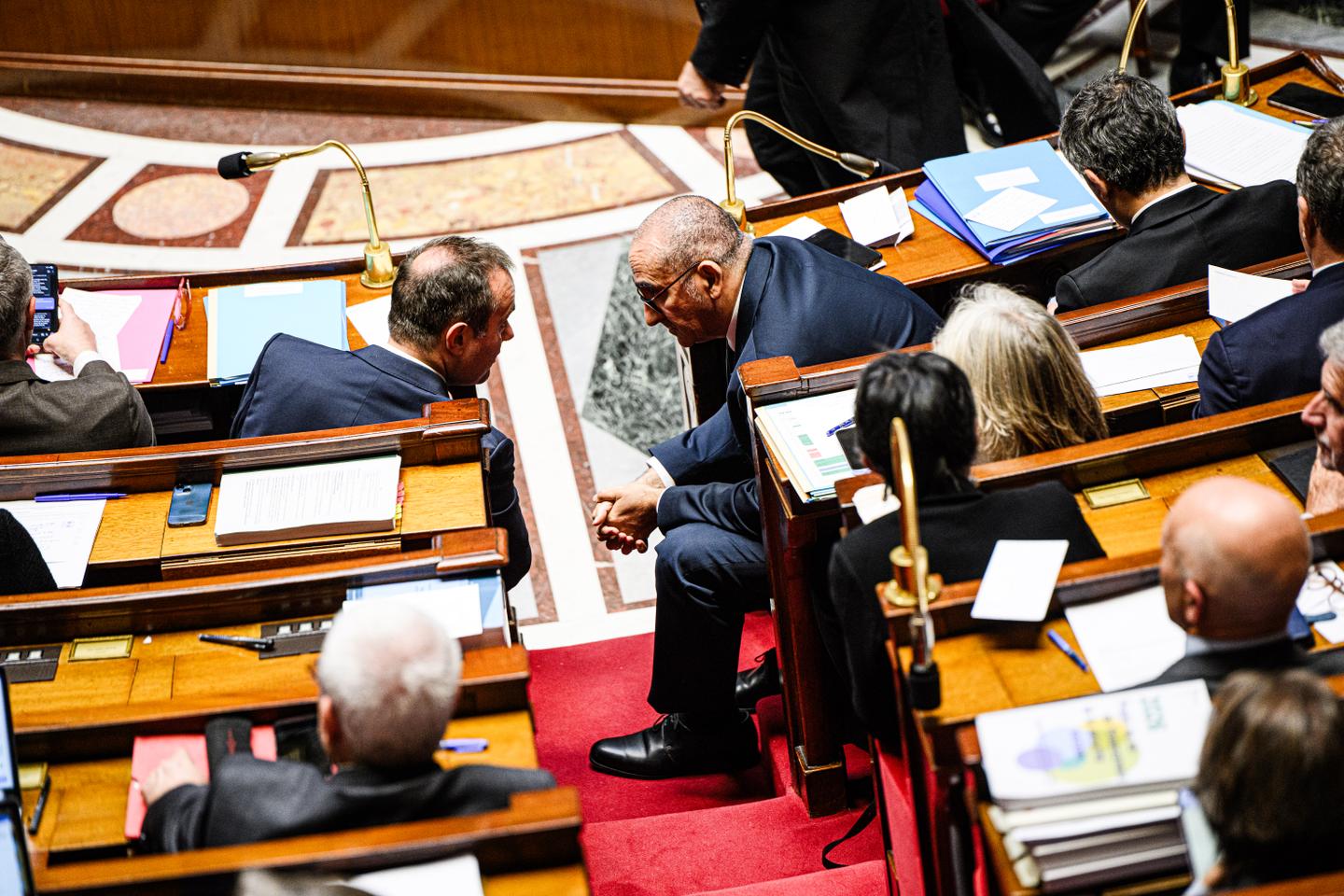
Marseille Under Pressure: A City Grappling with escalating Violence
The recent visit by the Interior Minister, Laurent Nuñez, to Marseille on November 20th wasn’t a foray into unfamiliar territory. He possesses deep ties to the city, having previously served as its Police Prefect from 2015 to 2017. Though, this trip arrives at a particularly fraught moment, just one week after the tragic murder of 20-year-old Mehdi Kessaci, brother of a prominent local community activist involved in anti-drug efforts.
It feels, regrettably, like the latest in a long line of official responses to a crisis that seems to perpetually re-emerge. For years, authorities have issued strong statements, promised decisive action, and vowed to restore order in a city increasingly plagued by crime. The National Association of Criminal Justice police recently voiced a critical concern: that officials are merely reacting to events, rather than proactively preventing them. They suggest a systemic issue is now firmly entrenched.
This visit also directly addresses growing anxieties expressed by Marseille’s mayor, Benoît Payan. He revealed on a national radio broadcast that he has received a staggering 402 death threats since September. With municipal elections looming, reassuring local leaders is a paramount concern for the national government.
Understanding the Current Situation
Let’s break down the key elements contributing to this escalating tension:
* A Recent Tragedy: The murder of Mehdi Kessaci highlights the dangers faced by those actively working against drug trafficking.
* Threats to Leadership: Mayor Payan’s experience underscores the pervasive climate of intimidation.
* perception of Reactivity: The feeling that authorities are consistently playing catch-up, rather than preventing crime, erodes public trust.
* Upcoming Elections: The proximity of municipal elections adds another layer of political sensitivity.
What does this mean for you,the resident of Marseille,or someone following the situation closely? it signifies a deepening crisis of confidence in the ability of authorities to effectively address the city’s security challenges.
The Cycle of Response and the Need for Proactive Solutions
For too long,the narrative surrounding Marseille has been one of crisis and reaction. Every incident triggers a flurry of activity, followed by a lull, and then another crisis. This cycle is unsustainable. You deserve more than just reactive measures.
Consider this: simply increasing police presence,while necessary,isn’t a long-term solution. It’s a temporary bandage on a much deeper wound.A truly effective strategy requires a multi-faceted approach.
Here’s what a proactive strategy could look like:
* Investing in Community programs: Supporting initiatives that provide opportunities for young people and address the root causes of crime.
* Strengthening social Services: ensuring access to education, healthcare, and employment opportunities.
* Targeting Organized Crime Networks: Focusing on dismantling the structures that enable criminal activity, not just responding to individual incidents.
* Improving Collaboration: Fostering better interaction and cooperation between law enforcement, social services, and community organizations.
* Addressing Systemic Issues: Recognizing and tackling the underlying social and economic inequalities that contribute to crime.
Ultimately, restoring safety and security to Marseille requires a fundamental shift in approach. It demands a commitment to long-term solutions, a willingness to listen to the concerns of residents, and a genuine partnership between the government and the community.It’s about building a future where you feel safe, secure, and empowered in your city.
This isn’t just about law and order; it’s about the future of Marseille and the well-being of its citizens.