
In the high-stakes arena of international entertainment, where the pressure to maintain a youthful image can often lead to a reliance on surgical interventions, few figures command as much respect for their discipline as Spanish pop icon Marta Sánchez. As she crosses the significant milestone of 60 years, Sánchez is not merely celebrating a birthday; she is presenting a masterclass in lifestyle regimentation and the psychological fortitude required to age on one’s own terms.
For those accustomed to the grueling schedules of professional athletes, Sánchez’s approach to longevity may feel familiar. Much like an Olympic trainer focusing on the minutiae of recovery and nutrition, the singer has cultivated a lifestyle built on “sacred” rituals and a rigorous physical regimen. Her recent appearance on the prominent Spanish television program El Hormiguero provided a rare, transparent look into the mechanics of her well-being, offering a blueprint for maintaining vitality in the public eye without the use of cosmetic “lifts.”
As we analyze the intersection of celebrity culture and physical discipline, Sánchez’s philosophy offers a compelling case study. This proves a narrative of control—control over diet, control over physical conditioning, and, perhaps most importantly, control over her own image in an era of digital perfection.
The Architecture of a Morning Ritual: Nutrition as Foundation
For many high-performers, the day is won or lost in the first hour after waking. Marta Sánchez has been vocal about the non-negotiable nature of her morning routine, describing her breakfast habits with a level of precision that suggests a highly structured nutritional approach. In her recent discussions, she emphasized that her breakfasts are “sacred,” a term that elevates the act of eating from a mere biological necessity to a foundational pillar of her daily stability.
The specific composition of her breakfast is a study in balanced macronutrients, designed to provide sustained energy rather than the fleeting spikes associated with processed sugars. According to her own accounts, a typical morning includes:
- Two coffees with milk: Providing a consistent caffeine baseline for cognitive alertness.
- A fruit juice: Likely serving as a source of immediate micronutrients and hydration.
- Rye toast with turkey: A combination of complex carbohydrates from the rye and lean protein from the turkey, essential for muscle maintenance and satiety.
- Rye toast with butter and jam: A controlled inclusion of fats and natural sugars to satisfy palatability and provide quick energy.
From a nutritional standpoint, the choice of rye is significant. Rye is known for its high fiber content and lower glycemic index compared to white bread, which aids in blood sugar regulation—a critical factor for long-term metabolic health. By prioritizing protein and complex carbohydrates, Sánchez avoids the “energy crashes” that can plague performers facing long hours under stage lights.
Physical Conditioning: The “Athlete of Pop” Approach
Beyond the kitchen, Sánchez’s physical maintenance mirrors the cross-training methodologies used by professional athletes. She does not rely on a single modality of exercise; instead, she utilizes a multi-faceted approach that addresses flexibility, strength, cardiovascular endurance and muscular aesthetics.
Her routine is centered around several key disciplines:
Ballet Fit and Functional Movement
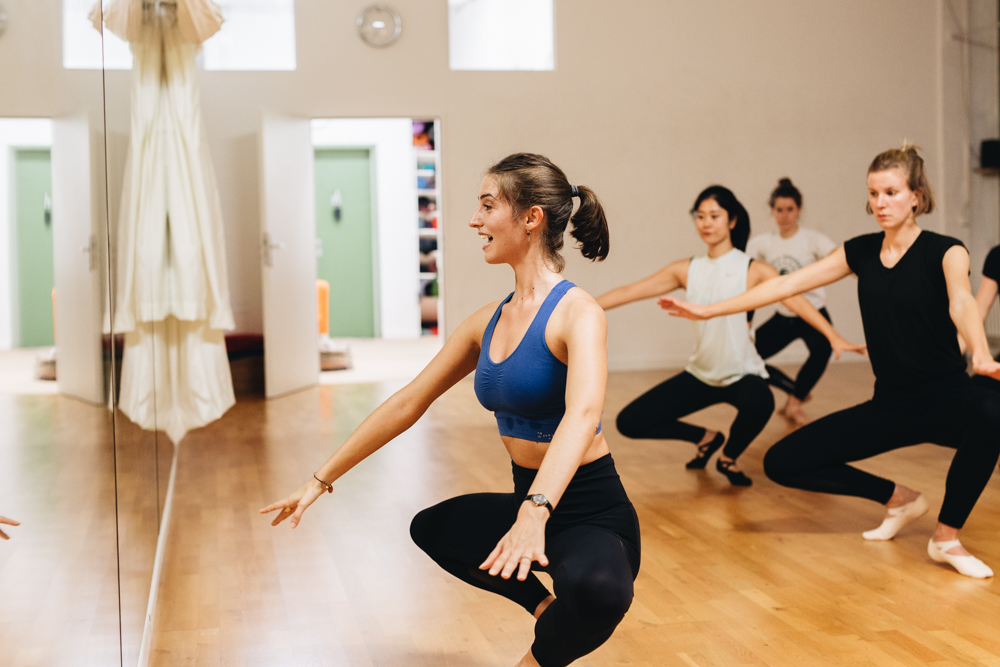
Sánchez has integrated “Ballet Fit” into her regular training. This discipline combines the grace and flexibility of classical ballet with the core-strengthening benefits of modern fitness. For a vocalist, core strength is not merely an aesthetic concern; it is a functional requirement for breath control and vocal projection. The stability provided by ballet-based movements allows for better posture and respiratory efficiency during live performances.
Strength and Cardiovascular Training
To combat the natural loss of muscle mass that accompanies aging (sarcopenia), Sánchez incorporates dedicated strength training. This is complemented by cardio sessions designed to maintain heart health and aerobic capacity. This dual approach ensures that she possesses both the “explosive” energy required for stage presence and the endurance necessary for long-form tours.
The Rigor of Body Remodeling
Perhaps the most revealing aspect of her physical regimen is her commitment to “body remodeling massages.” Sánchez has candidly noted that these treatments “hurt a lot,” highlighting a willingness to endure discomfort in pursuit of her physical goals. These intensive sessions are often used to improve circulation, reduce inflammation, and contour the body—a process that requires the same mental toughness one might expect from a marathon runner undergoing deep-tissue recovery.
The Aesthetic Philosophy: Aging Without the “Lift”
One of the most significant takeaways from Sánchez’s recent media appearances is her firm stance on cosmetic surgery. In an industry that often rewards the artificial, Sánchez has made a conscious decision to embrace the natural aging process. She expressed immense satisfaction in reaching the age of 60 without having undergone a facelift.
This decision is more than just a personal preference; it is a cultural statement. By opting for “functional” beauty—achieved through fitness and nutrition—rather than “structural” beauty achieved through surgery, she challenges the prevailing norms for women in the entertainment industry. Her approach suggests that the “crisis of the 60s” can be mitigated not through the scalpel, but through consistent, disciplined lifestyle choices.
This philosophy aligns with a growing global trend toward “pro-aging” rather than “anti-aging.” The focus has shifted from erasing the markers of time to optimizing the body’s current state. Sánchez’s refusal to seek surgical intervention serves as a testament to the efficacy of her rigorous physical and nutritional standards.
Navigating the Media: Lessons from ‘El Hormiguero’
The context of these revelations—an interview on the high-profile talk show El Hormiguero—is also noteworthy. The program is known for its intimate, often probing interviews, and it provided Sánchez with a platform to settle ongoing public curiosities and controversies. By addressing her lifestyle and personal choices directly, she has reclaimed the narrative surrounding her public persona.
The interview allowed her to move past the tabloid speculation that often surrounds female celebrities, refocusing the conversation on her agency and her dedication to her craft and her health. It was a moment of professional maturity, showing a veteran who is comfortable in her own skin and unapologetic about the work required to maintain it.
Key Takeaways: The Sánchez Method
- Consistency Over Intensity: Success is found in the “sacred” repetition of daily habits rather than sporadic bursts of effort.
- Nutritional Foundation: Prioritizing complex carbohydrates (rye) and lean proteins (turkey) to stabilize energy levels.
- Multi-Modal Fitness: Combining flexibility (Ballet Fit), strength, and cardio to ensure total-body resilience.
- Psychological Resilience: The willingness to endure “painful” treatments and avoid the simple route of surgical intervention.
- Agency in Aging: Choosing natural aging and physical discipline over cosmetic modification.
Final Analysis: The Legacy of Discipline
Marta Sánchez’s approach to her 60th year offers a profound lesson in longevity. Whether one views her through the lens of a pop icon or a fitness enthusiast, the underlying principle remains the same: excellence is a habit, not an act. Her ability to maintain a high level of physical and professional vitality is not a matter of luck, but the result of a calculated, disciplined, and highly personal strategy.
As she continues her career, Sánchez stands as a reminder that the most effective way to navigate the passage of time is to meet it with preparation, discipline, and a refusal to conform to outdated standards of perfection.
What are your thoughts on the balance between natural aging and cosmetic intervention in the public eye? Do you believe the “discipline-first” approach is sustainable for the long term? Let us know in the comments below and share this article with your network.
Related reading