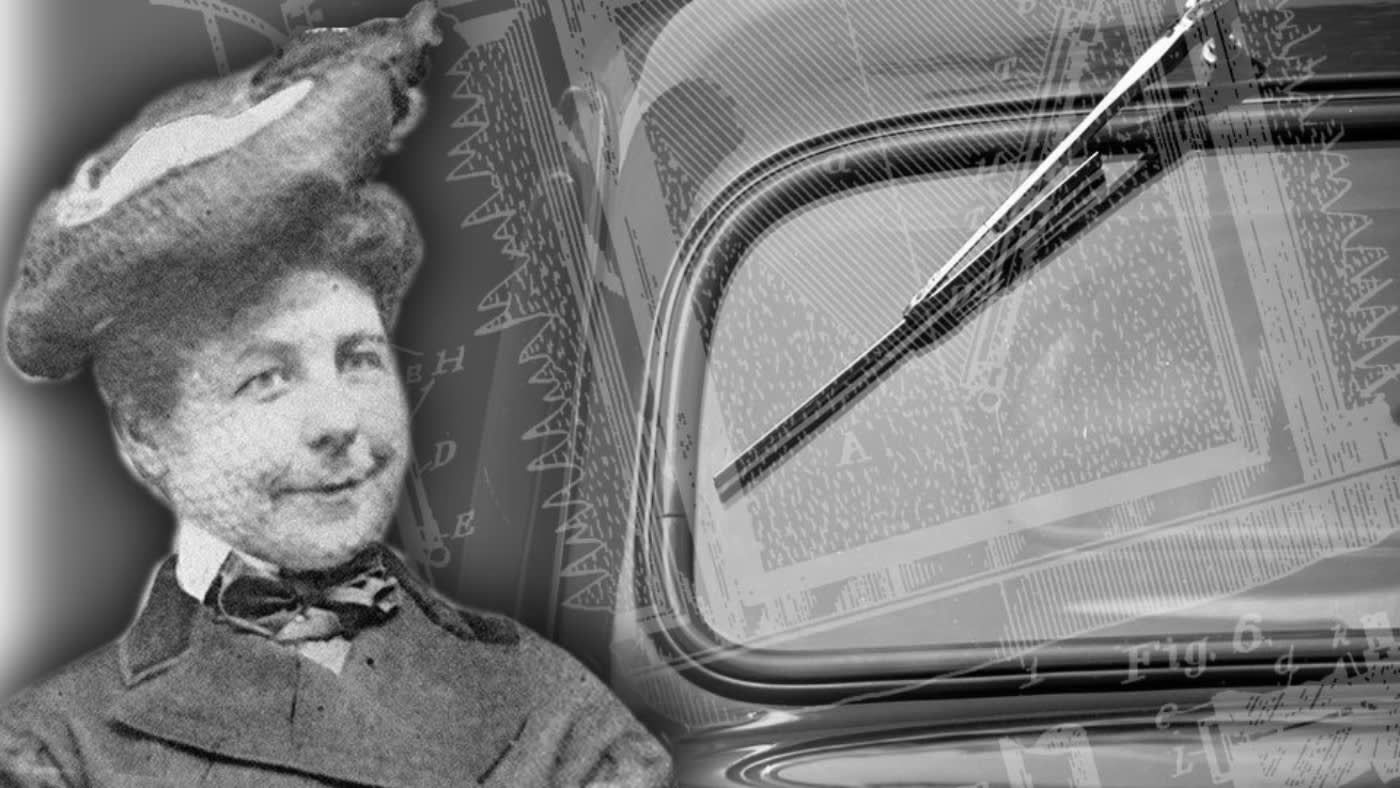
A Journey to the City: Remembering Mary Anderson and the Early Days of New York’s Trolleys
The allure of New York City has drawn travelers for centuries, each arriving with their own stories and experiences. While the city’s modern vibrancy is well-documented, glimpses into its past offer a fascinating perspective on how it evolved into the global hub We see today. A brief mention, originating from a social media post, speaks of a woman named Mary Anderson who traveled from Alabama to New York in 1902 and took a ride on a trolley car during a rainy day. This seemingly small anecdote provides a window into the transportation landscape and daily life of a city undergoing rapid transformation at the turn of the 20th century. The story, while initially appearing simple, invites a deeper exploration of travel, urban development, and the lives of individuals navigating a changing world.
The early 1900s were a period of significant growth and innovation for New York City. Immigration was surging, and the city was rapidly expanding both geographically and economically. Public transportation was crucial to managing this growth, and the electric trolley, or streetcar, was at the forefront of this revolution. These trolleys provided an affordable and efficient way for people to move around the city, connecting different boroughs and facilitating the daily commutes of a burgeoning workforce. The mention of a rainy day adds a layer of realism, highlighting the often-challenging conditions faced by travelers and the reliance on covered transportation options.
The Rise of the Trolley in New York City
Before the widespread adoption of the automobile, the electric trolley was king. New York City saw a massive expansion of its trolley network in the late 19th and early 20th centuries. Companies like the Third Avenue Railway System, the Manhattan Railway Company, and the Brooklyn Rapid Transit Company built extensive lines that crisscrossed the city. These weren’t just modes of transport; they were integral to the social and economic fabric of New York. They allowed people to live further from their workplaces, spurred the development of new neighborhoods, and contributed to the city’s growing sense of interconnectedness. The trolley systems weren’t without their challenges, however, including congestion, accidents, and the constant need for infrastructure maintenance.
The transition from horse-drawn streetcars to electric trolleys was a significant technological leap. Electric trolleys were faster, cleaner, and could carry more passengers. They also required a substantial investment in infrastructure, including power stations, overhead wires, and track maintenance. The construction of these systems often involved complex negotiations with city officials and property owners. The impact on urban planning was profound, as streets were redesigned to accommodate the new technology and the flow of traffic. The trolley era fundamentally reshaped the physical landscape of New York City.
Mary Anderson’s Journey from Alabama
While details about Mary Anderson’s specific journey are scarce, her trip from Alabama to New York in 1902 speaks to the increasing mobility of Americans during this period. Travel was becoming more accessible, thanks to improvements in railroad networks and the growth of steamship lines. For someone traveling from Alabama, New York City would have been a dramatically different experience – a bustling metropolis with a diverse population and a fast-paced lifestyle. Alabama in 1902 was still largely an agrarian society, grappling with the aftermath of Reconstruction and the challenges of racial segregation. The contrast between the rural South and the urban North would have been striking.
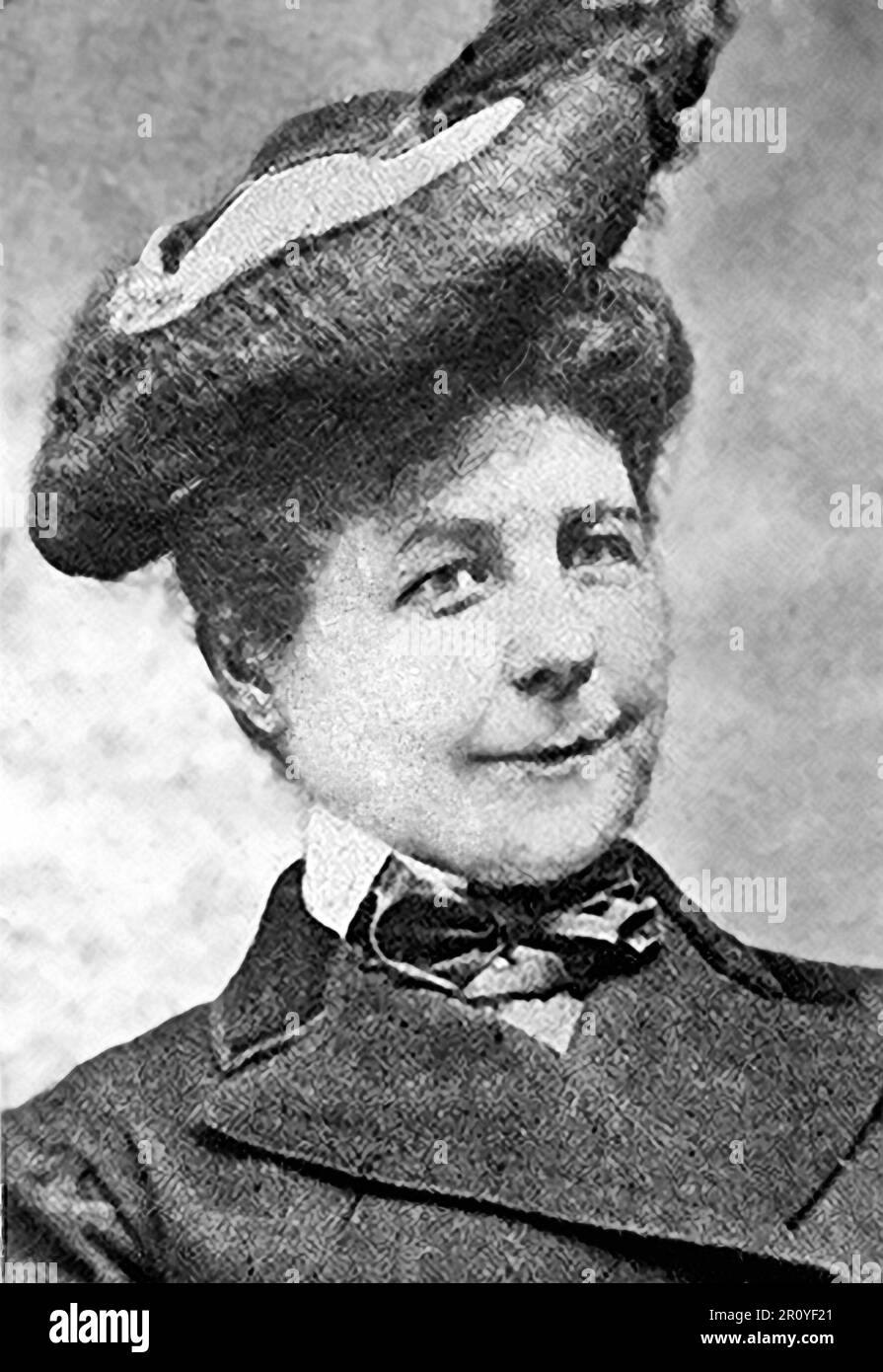
The reasons for Mary Anderson’s journey remain unknown. She may have been visiting family, seeking employment opportunities, or simply traveling for leisure. Regardless of her purpose, her experience on the trolley car offers a small but evocative glimpse into the lives of ordinary people navigating the complexities of early 20th-century America. The fact that this moment was noted, even in a brief social media post over a century later, suggests that even seemingly mundane experiences can resonate across time.
The Weather in New York City, 1902
The mention of rain on the day of Mary Anderson’s trolley ride is a detail that adds to the story’s authenticity. Historical weather data for New York City in 1902 confirms that the city experienced frequent rainfall throughout the year. According to records, April 1902 saw a significant amount of precipitation, with several days of heavy showers. Weather Atlas provides historical weather data for New York City, showing that April 1902 was notably wet. This would have made the trolley a particularly welcome mode of transportation, offering shelter from the elements.
Rainy days in early 20th-century New York City presented unique challenges for pedestrians and transportation systems alike. Streets were often muddy and crowded, and horse-drawn carriages and early automobiles struggled to navigate the slick surfaces. The trolleys, with their covered cars, provided a relatively comfortable and dry way to travel, making them a popular choice for commuters and visitors. The image of Mary Anderson looking out at the rain-soaked streets from the warmth of the trolley car is a vivid reminder of the conditions faced by those who lived and traveled in New York City over a century ago.
The Legacy of New York’s Trolleys
The era of the electric trolley in New York City eventually came to an end in the 1930s and 1940s, as buses and subways gained prominence. However, the legacy of the trolley remains visible in the city’s infrastructure and collective memory. Many of the streets and neighborhoods that were shaped by the trolley lines still exist today, and remnants of the ancient tracks can occasionally be found beneath the pavement. The trolley also played a crucial role in shaping the city’s urban culture, fostering a sense of community and providing a vital link between different parts of the metropolis.
Today, there is a renewed interest in bringing back streetcars to some cities, including New York. Proponents argue that modern streetcars can offer a sustainable and efficient transportation option, while also enhancing the aesthetic appeal of urban areas. The story of Mary Anderson and her trolley ride serves as a reminder of the important role that streetcars once played in New York City’s history and the potential for them to play a role in its future. The simple act of taking a ride on a trolley car can connect us to the past and offer a glimpse into the lives of those who came before us.
Key Takeaways:
- The early 1900s saw a boom in trolley transportation in New York City, crucial for managing urban growth.
- Mary Anderson’s 1902 journey from Alabama to New York highlights the increasing mobility of Americans during that era.
- Rainy weather made trolleys a particularly valuable mode of transport, offering shelter from the elements.
- The trolley era left a lasting legacy on New York City’s infrastructure and urban culture.
As New York City continues to evolve, remembering its past – even through small anecdotes like Mary Anderson’s trolley ride – provides valuable context and perspective. The city’s transportation history is a testament to its resilience, innovation, and enduring appeal. Further research into historical transportation records and personal accounts could reveal even more details about the lives of those who shaped the city we know today. What other untold stories lie hidden within the archives, waiting to be discovered?
We encourage readers to share their own stories and memories of New York City’s transportation history in the comments below. Please also share this article with anyone who might find it interesting.
Related reading