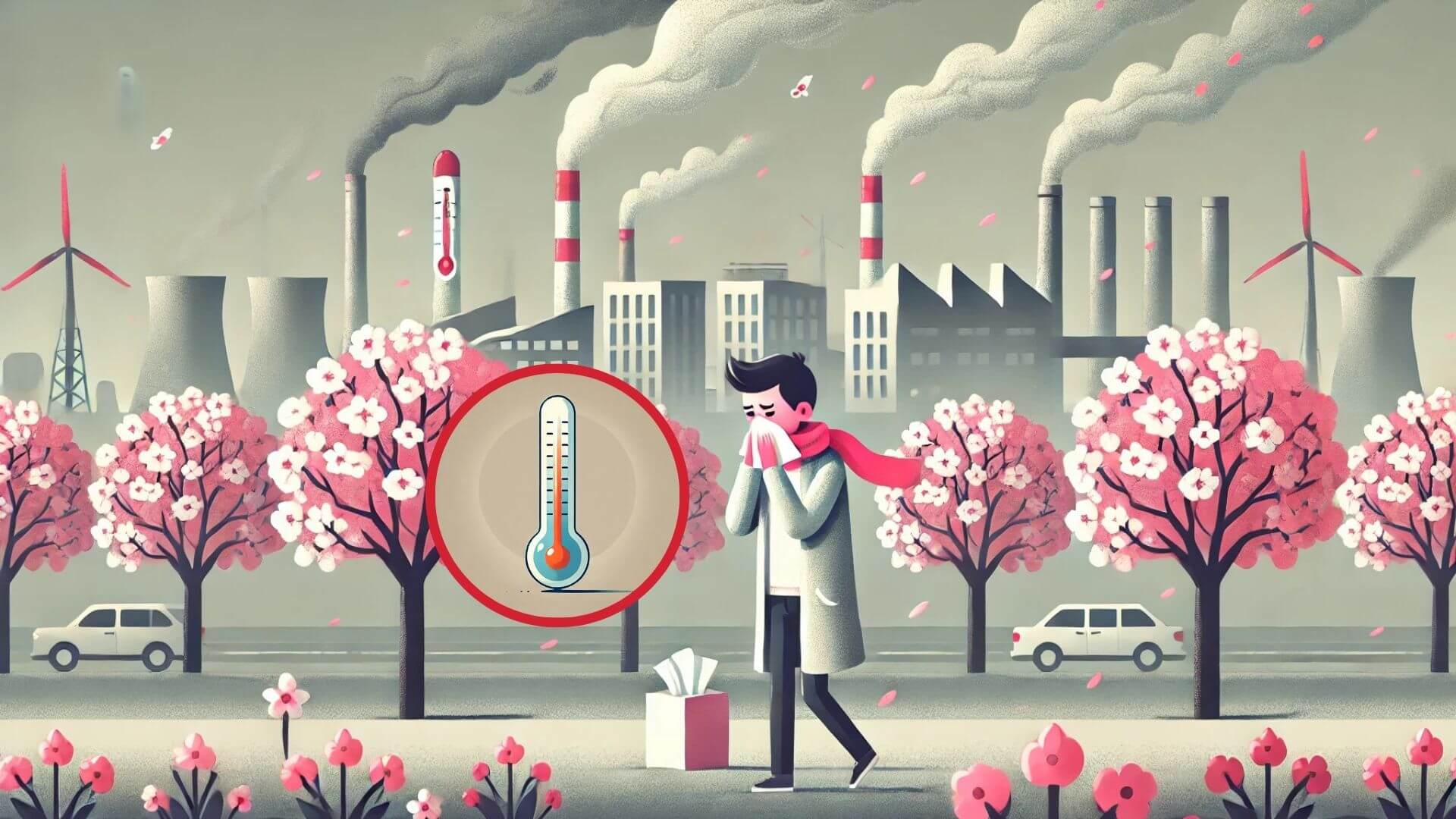
Rising global temperatures and shifts in precipitation patterns are significantly altering the behavior of plants, leading to longer pollen seasons and increased concentrations of allergens in the atmosphere. According to the U.S. Environmental Protection Agency (EPA), climate change is extending the duration of pollen seasons in many regions, directly affecting the prevalence and severity of allergic rhinitis and asthma symptoms in susceptible populations. As a physician, I have observed how these environmental stressors create a more challenging landscape for patients, as warmer temperatures stimulate earlier and more robust plant growth, ultimately increasing the volume of airborne irritants.
The impact of climate change on respiratory health is not merely a seasonal nuisance but a growing public health concern. Research published by the World Health Organization (WHO) highlights that environmental variability affects the distribution of aeroallergens, forcing healthcare providers to adapt treatment strategies for patients who face longer periods of exposure. Because plants are sensitive to photoperiod and thermal cues, the shift toward earlier springs and delayed frosts has created a “pollen extension effect,” where the window for potential allergic reactions expands by several weeks compared to historical baselines.
The Mechanics of Pollen and Climate Interaction
Pollen production is intrinsically linked to atmospheric conditions. Plants often respond to higher concentrations of carbon dioxide (CO2) by increasing their biomass and, consequently, their pollen output. A study published in the journal The Lancet Planetary Health indicated that under high-emission scenarios, the total seasonal pollen load could increase by up to 200% by the end of the century in certain northern latitudes. This is particularly concerning for individuals with ragweed or grass allergies, as these species are highly responsive to both rising temperatures and elevated CO2 levels.
Beyond the volume of pollen, the chemical composition of the allergens themselves may change. Some research suggests that the stress induced by extreme weather events—such as droughts or intense heat waves—can alter the protein structure of pollen grains, potentially making them more allergenic to the human immune system. This phenomenon, often described as an increase in “pollen potency,” means that even if the total count of grains remains stable, the clinical impact on patients may still intensify.
Geographic Shifts and Urban Considerations
The geographic range of many allergenic plant species is shifting toward higher latitudes and elevations. As regions that were previously too cold for certain invasive weeds become more temperate, new populations of allergy-inducing plants are establishing themselves in areas where residents may lack prior exposure or immunological tolerance. This migration is documented by the National Oceanic and Atmospheric Administration (NOAA), which notes that longer frost-free periods are effectively expanding the biological window for plant reproduction.
Urban environments present a unique set of challenges. The “urban heat island” effect—where cities experience significantly higher temperatures than surrounding rural areas—further accelerates plant development. Furthermore, the interaction between pollen and urban air pollutants, such as nitrogen dioxide and ozone, can exacerbate respiratory symptoms. These pollutants can damage the outer shell of pollen grains, causing them to break into smaller, more respirable particles that can penetrate deeper into the lower airways of the lungs.
Managing Respiratory Health in a Changing Climate
For patients managing chronic allergies, the shift in environmental patterns requires a proactive, rather than reactive, approach to medical care. Clinical guidelines from the American Academy of Allergy, Asthma & Immunology (AAAAI) emphasize the importance of monitoring local pollen counts and beginning preventative therapies, such as intranasal corticosteroids or antihistamines, before the onset of the peak season. Early intervention is critical to mitigating the inflammation that leads to more severe respiratory distress.
Practical management steps for those affected include:
- Monitoring local air quality: Utilizing official government portals to track pollen and pollutant levels.
- Environmental control: Keeping windows closed during peak pollen times and using high-efficiency particulate air (HEPA) filters indoors.
- Hygiene practices: Showering after spending time outdoors to remove pollen trapped in hair and on clothing.
- Consultation: Seeking an evaluation from an allergist to determine if allergen immunotherapy (allergy shots or sublingual tablets) is appropriate for long-term symptom control.
As we continue to monitor the intersection of environmental health and clinical practice, the focus remains on equipping patients with the data necessary to navigate these shifting seasons. The next major update regarding regional climate health impacts is expected in the upcoming assessment reports from the Intergovernmental Panel on Climate Change (IPCC), which continue to track the long-term health consequences of atmospheric change. Please share your experiences with managing seasonal allergies in your local community in the comments section below.
Worth a look