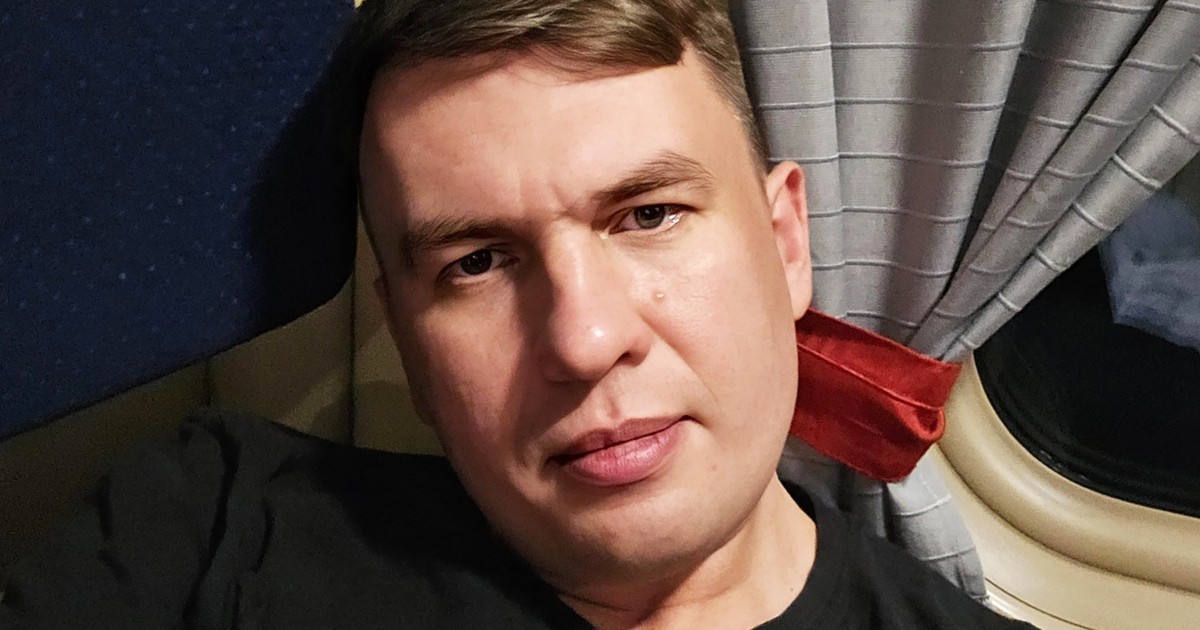
Russian authorities have detained Igor Girkin, a prominent nationalist blogger and former military commander, on charges of inciting extremist activity, marking a significant escalation in the Kremlin’s efforts to suppress domestic dissent. The arrest, which took place in Moscow on Friday, follows a period of increasingly vocal criticism from Girkin regarding the Russian military’s conduct in the ongoing conflict in Ukraine, according to reports verified by the Associated Press.
Girkin, who is also known by the alias Igor Strelkov, gained notoriety for his role in the 2014 annexation of Crimea and his leadership of separatist forces in eastern Ukraine. Despite his history as a staunch supporter of the Russian state, his recent commentary on social media frequently targeted the perceived incompetence of the Russian Ministry of Defense and the strategic failures of the military leadership. The detention highlights the tightening constraints on public discourse within Russia, where legislation enacted shortly after the start of the full-scale invasion in February 2022 allows for severe penalties for those accused of “discrediting” the armed forces, as documented by Human Rights Watch.
The Legal Basis for Detention
The Moscow court overseeing the case confirmed that Girkin will remain in custody pending further investigation into charges of “inciting extremist activity” via the internet. Under Article 280 of the Russian Criminal Code, individuals convicted of public calls for extremist activity face potential prison sentences of up to five years, a provision that has been increasingly utilized against anti-war activists and critical voices alike, according to records from the Amnesty International database regarding legislative shifts in the Russian Federation.

Girkin’s legal team has characterized the arrest as a politically motivated attempt to silence one of the few remaining influential voices within the “pro-war” camp that dared to challenge the government’s narrative. His detention signifies a shift in policy, suggesting that the Kremlin is no longer willing to tolerate criticism even from those who historically aligned with the state’s geopolitical objectives. Analysts note that this move serves as a warning to other nationalist figures who have used Telegram and other platforms to bypass state-controlled media outlets, as reported by the BBC.
Background of the Critic
Before his arrest, Girkin maintained a substantial following on his Telegram channel, where he provided detailed, often scathing, assessments of military operations. His background as a former officer of the Federal Security Service (FSB) provided him with a level of credibility among his supporters that traditional opposition figures lacked. However, his persistent calls for a more aggressive mobilization and his accusations of corruption within the upper echelons of the military bureaucracy eventually placed him in direct opposition to the state’s managed information flow.
The transition from a loyalist military figure to a state-targeted critic underscores the volatility of the current internal political environment in Russia. By targeting a figure who was instrumental in the initial phases of the 2014 conflict, the Kremlin is signaling that the internal “red line” for acceptable commentary has moved significantly. The crackdown is part of a broader, documented effort to consolidate control over the information space, ensuring that narratives surrounding the war remain strictly aligned with official government positions as tracked by the Organization for Security and Co-operation in Europe.
What Happens Next
The next phase of the legal process involves a formal investigation, during which Girkin will remain under state supervision. There has been no announcement regarding a specific date for a trial, as the Russian legal system typically allows for extended periods of pre-trial detention in cases involving national security or extremist charges. Observers expect that the prosecution will lean heavily on his social media posts as evidence of his alleged crimes.
For the broader community of nationalist bloggers and military analysts in Russia, the arrest of such a high-profile figure creates an atmosphere of uncertainty. The ability to express dissent, even from a position of ideological alignment with the state, has been severely curtailed. Readers interested in following updates on this case should monitor official statements from the Moscow judicial district courts and updates provided by international human rights monitors tracking the Russian legal system. We invite our readers to share their analysis of this development in the comments section below.
Worth a look