Beyond the bog: How Red Meadow Farm is Reviving heritage Cranberries & New England Tradition
The vibrant red of cranberry bogs is a quintessential New England image, but the story behind those berries is evolving. At Red Meadow Farm in Carver, Massachusetts, Equus trundy adn her husband, Jordan, aren’t just growing cranberries – they’re cultivating a connection to the region’s agricultural heritage while building a thriving, modern farm business. Their approach blends time-honored techniques with innovative thinking,offering a glimpse into the future of cranberry farming.
A return to Roots: Heritage Cranberries
Red Meadow Farm specializes in heritage cranberries, varieties native to massachusetts and dating back to the 1800s. These aren’t your average supermarket cranberries.
* Howes: Known for their tart, sour flavor and firm texture.
* Early Black: Smaller, darker berries with a fresh, crisp taste.
These varieties originated from cuttings of wild cranberries discovered and carefully cultivated generations ago. “We’re really excited about our heritage vines, not only because they are wild-type native plants from this area, but because, honestly, they taste really good,” explains Equus Trundy.
From Tech to Bog: A Pandemic Pivot
The Trundys’ journey to cranberry farming is a testament to the power of re-evaluation. Both previously worked as technology professionals in Boston. However, the disruption of the pandemic prompted a bold move. In 2020, they purchased the 17.5-acre Red Meadow farm and embraced life as first-generation growers.
This transition wasn’t without its challenges. Balancing the demands of a new agricultural venture with existing financial obligations required a strategic approach. Jordan continues to work in the tech field part-time, providing a crucial income stream while Equus focuses full-time on the farm.
“Farmers [are] a lot like IT people in the sense that they are just problem-solvers,” Jordan Trundy notes,highlighting the surprising parallels between their past and present careers.
The Wet Harvest: A Time-Honored Process
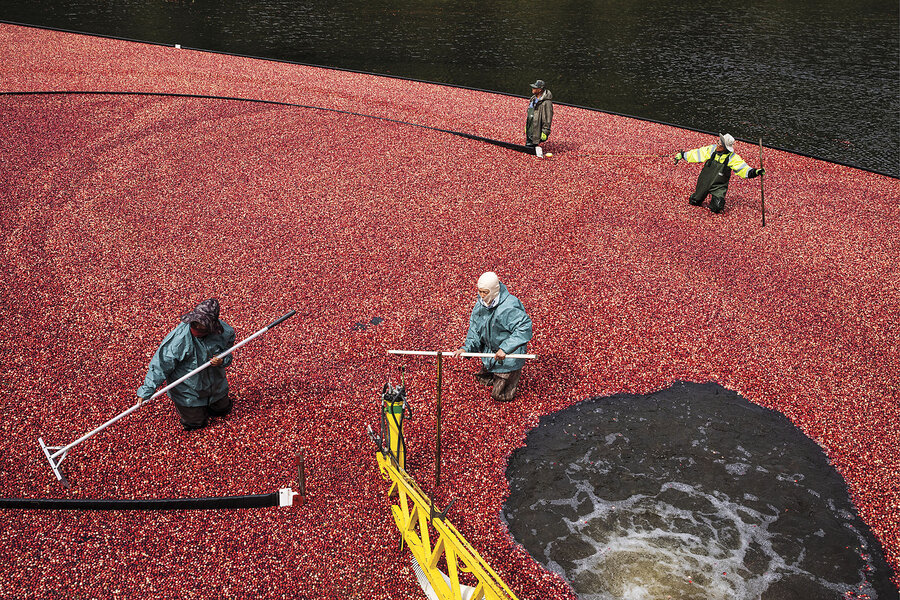
The fall harvest is the busiest time at Red Meadow Farm.As the last farm downstream on the Weweantic River, they carefully await their turn to flood their bogs. This “wet harvest” is a spectacle of agricultural ingenuity.
here’s how it effectively works:
- Flooding: The bogs are filled with water from the river.
- Knocking: A specialized picker machine gently dislodges the cranberries from the vines.
- Buoyancy: Cranberries have four tiny air chambers, allowing them to float to the surface.
- Collection: The berries are corralled with booms and vacuumed up with a large hose.
Family plays a vital role during this period. Extended family members pitch in to help with harvesting, guiding tours, and managing the farm stand.
More Than Just Berries: The Rise of Agritourism
While the cranberry harvest is central to Red Meadow Farm’s identity, a significant portion of their income comes from a surprising source: agritourism. The farm offers unique “Wade in the Bog” tours, allowing visitors to experience the harvest firsthand.
These tours are incredibly popular. In fact, they generate five times the revenue of the cranberry crop itself. Visitors like Nati Punina, who grew up in Russia, and her husband, Nick Makridakis, from greece, cherish the experience.
“They grow this tart berry in Russia, but you don’t get to do this,” punina shared, appreciating the uniquely New England tradition. “It’s a real New England tradition.”
A Enduring Cycle: From Bog to Bees
red Meadow Farm is committed to sustainability. After the tours, the leftover cranberries aren’t wasted. They’re composted and used to nourish a wildflower field, wich in turn supports a thriving beehive population. The farm then sells the honey at its stand, creating a closed-loop system.
Equus Trundy describes the end of the tour season as the most rewarding part of the harvest.”You finished all the hard work, and now you just get to stand there and watch it go into the pump. It definitely feels the most rewarding when you’re standing in a circle