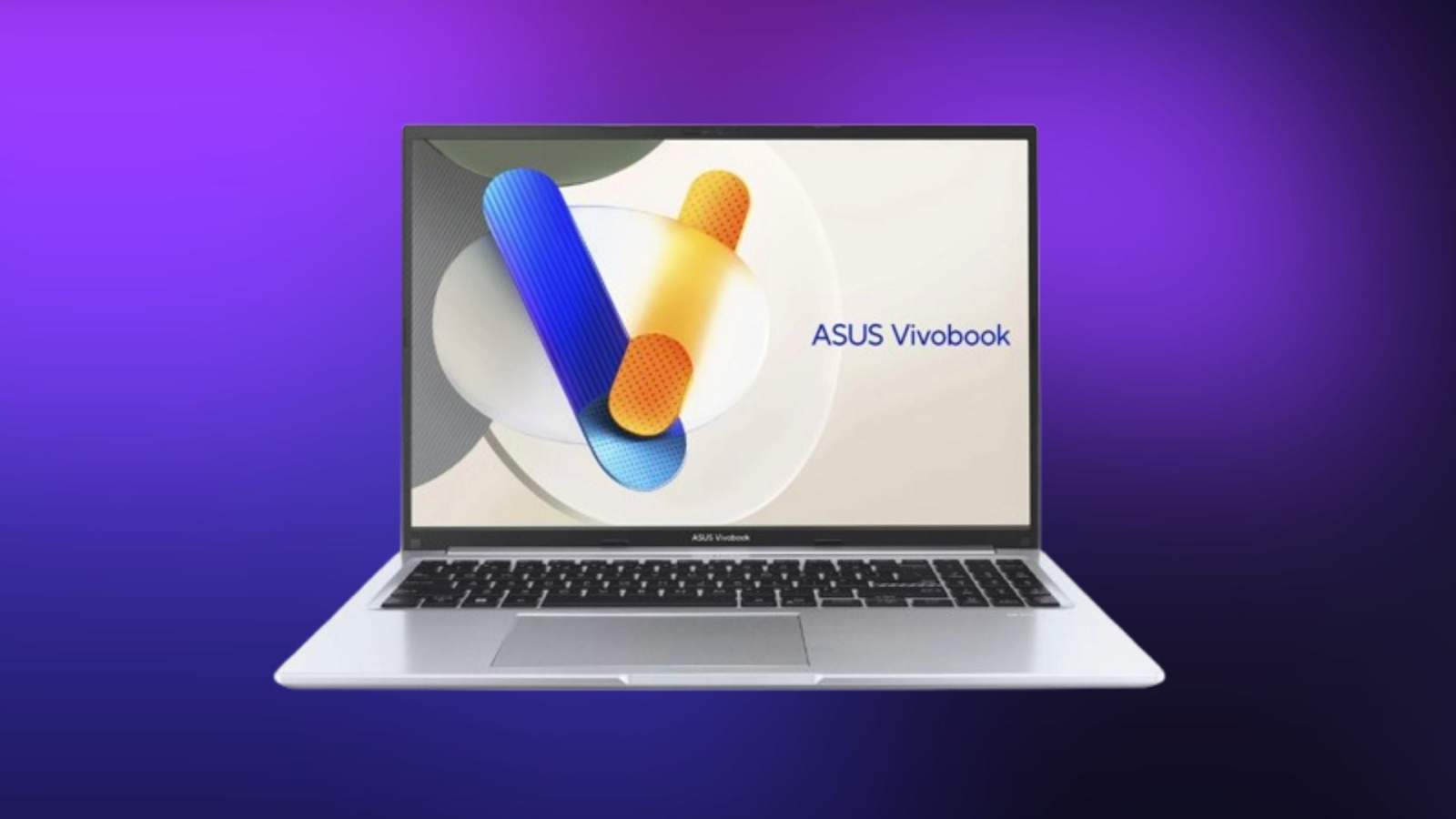
For power users and gamers alike, finding a high-performance machine that balances raw processing capability with a reasonable price tag is a perennial challenge. In the current hardware market, we are seeing significant price fluctuations for premium gaming notebooks, particularly within the Asus TUF Gaming series. Recently, market analysts have observed notable adjustments in retail pricing, with select configurations seeing discounts reaching upward of 300 euros in various European markets, as major retailers look to clear inventory for incoming refresh cycles.
When searching for a high-performance gaming laptop deal, it is essential to look past the marketing hype and focus on the internal specifications that dictate longevity and performance. The Asus TUF line has long been positioned as a durable, entry-to-mid-tier gaming solution designed to withstand intensive workloads. Recent price drops have brought these machines into a competitive bracket, often pairing mid-range processors with the latest mobile graphics architectures, such as the NVIDIA GeForce RTX 50-series, which recently began appearing in updated laptop chassis configurations globally.
Understanding the Current Hardware Landscape
The recent volatility in pricing for gaming laptops is largely driven by the rapid turnover of mobile graphics hardware. As NVIDIA continues to roll out its latest mobile GPU lineup, retailers are incentivized to move existing stock of previous-generation or early-iteration current-generation models. According to official performance benchmarks provided by NVIDIA’s official product portal, the jump in performance between mobile architecture generations often involves significant improvements in power efficiency and DLSS (Deep Learning Super Sampling) capabilities, which makes older but still powerful hardware attractive when priced at a discount.
For those prioritizing a responsive laptop for gaming and productivity, the inclusion of a 1TB SSD and a modern multi-core processor—such as the Intel Core i5 or i7 mobile variants—is a baseline requirement for a smooth experience. These components, when paired with high-refresh-rate displays often found on 17-inch chassis models, provide a balanced environment for both competitive gaming and resource-heavy tasks like video editing or software development. It is crucial to verify the specific TGP (Total Graphics Power) of the GPU in any discounted model, as lower-wattage versions can significantly impact real-world performance despite having the same model name.
Why These Discounts Are Significant
The “300 euro” discount threshold is a psychological and financial marker for many consumers. When a machine that was previously positioned in the mid-high tier drops into the sub-800 euro price range, it effectively shifts the cost-to-performance ratio in favor of the buyer. However, as noted by industry analysis from Gartner’s research on consumer electronics trends, these aggressive price cuts are often limited to specific regional storefronts or flash sales. Users should always cross-reference the model number (found on the manufacturer’s support page) to ensure they are getting the intended specifications, as minor variations in SKU numbers can sometimes denote different RAM configurations or screen panels.
Beyond the raw price, potential buyers should consider the following factors when evaluating these “beast” machines:
- Thermal Management: Gaming laptops, especially those with 17-inch form factors, generate significant heat. Look for reviews that specifically mention fan noise and chassis temperature under load.
- Upgradability: Always check if the RAM is soldered or if We find available SO-DIMM slots, as this dictates how much you can extend the life of the machine in the coming years.
- Connectivity: Ensure the device features enough USB-C/Thunderbolt ports to handle your peripheral ecosystem, as modern gaming setups often require multiple high-speed connections.
Navigating the Retail Landscape
If you are actively monitoring the market for these deals, the best strategy is to utilize official manufacturer comparison tools. Asus provides a comprehensive official support and product database where you can input specific hardware IDs to verify the exact release date and factory configuration of any discounted unit. This prevents the common trap of purchasing a “renewed” or “open-box” item when you believe you are buying a new one, as retailers frequently mix these categories in their online inventory displays.

keep an eye on the official release schedules for new mobile processors. Historically, the periods immediately following the announcement of new CPU or GPU architectures see the most significant price drops for existing inventory. As the industry moves toward more integrated AI-driven features in silicon, older hardware that relies on traditional processing power remains a high-value purchase for users who need reliability without the premium associated with the latest bleeding-edge tech.
Key Takeaways for Savvy Buyers
- Verify the SKU: Always check the full model number on the manufacturer’s website to confirm exact specifications.
- Compare Total Cost: Consider the cost of potential upgrades (like additional RAM) when calculating the total value of a discounted laptop.
- Check Warranty Status: Ensure that the discount does not imply a reduction in the standard manufacturer warranty period.
- Monitor Official Channels: Use official retailer newsletters or manufacturer alerts to stay informed about legitimate inventory clearance events.
As we move into the next quarter, we expect to see continued adjustments in the laptop market as manufacturers balance supply chain constraints with consumer demand. Staying informed is your best defense against overpaying for hardware. Have you encountered any particularly excellent deals on high-performance laptops recently, or are you waiting for the next generation of silicon to arrive? Share your thoughts and findings in the comments section below—let’s keep the conversation going.
Related reading