
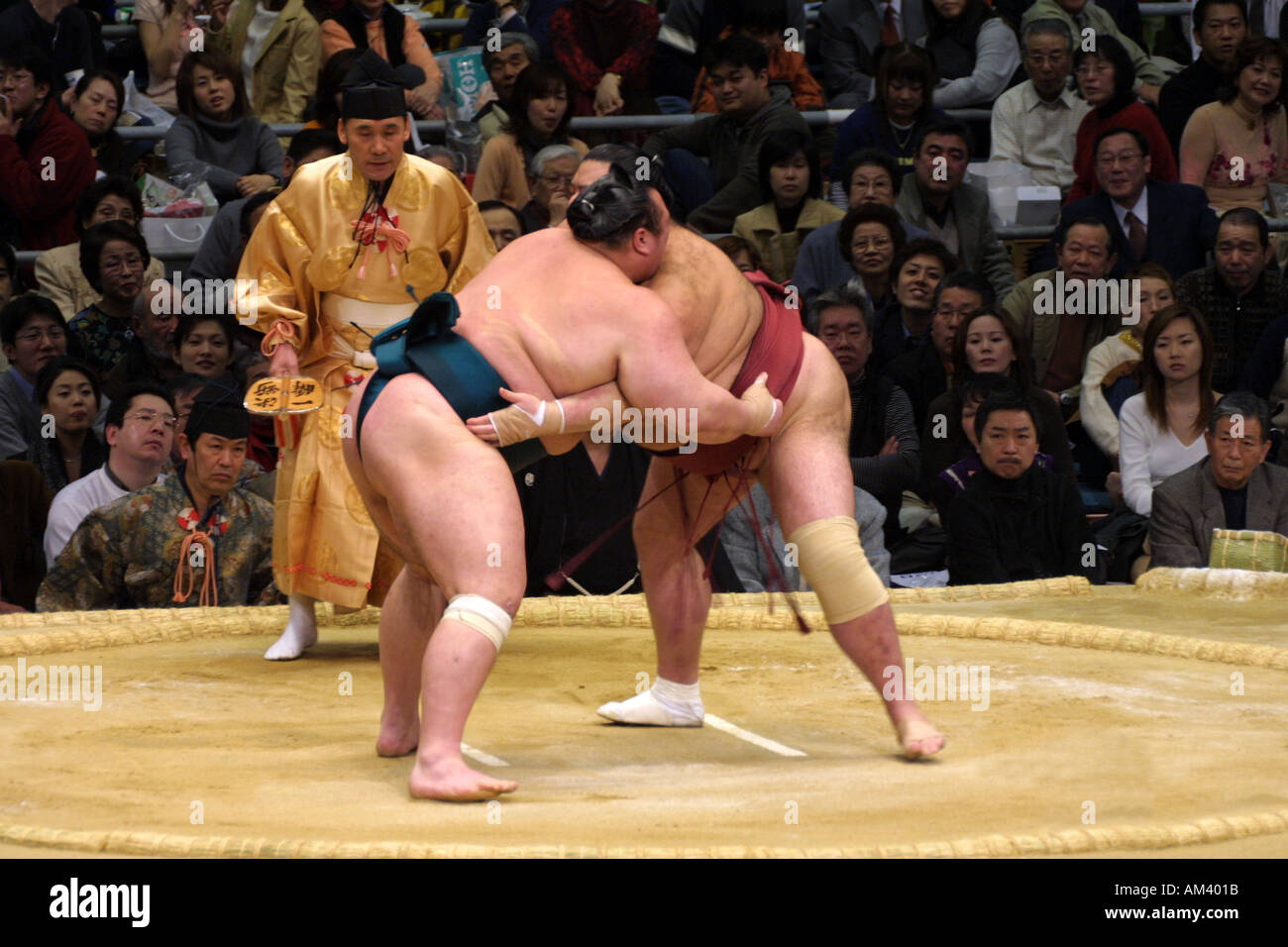
Professional sumo wrestlers performed at the Accor Arena in Paris on October 13, marking the first time the traditional Japanese martial art has been showcased in the French capital in 31 years. The event, which drew significant public interest, transformed the venue that hosted gymnastics competitions during the 2024 Paris Olympics into a traditional dohyo, or wrestling ring, for a demonstration of honbasho-style bouts.
According to reports from the Japan Sumo Association, the exhibition was designed to promote cultural exchange and introduce the complexities of sumo to a European audience. This appearance follows a long absence for the sport in France, with the last major professional demonstration occurring in 1993. The event featured top-division wrestlers, known as sekitori, who engaged in both ceremonial rituals and competitive matches to demonstrate the gravity and discipline of the sport.
The Return of Sumo to the French Capital
The choice of the Accor Arena, located in the 12th arrondissement of Paris, provided a high-profile stage for the wrestlers. The arena, which served as a central hub for athletes during the 2024 Summer Games, was reconfigured to accommodate the specific requirements of a sumo tournament. As reported by the Japan Sumo Association, the delegation included several high-ranking rikishi, or wrestlers, who participated in the dohyo-iri, the ceremonial ring-entering procession that precedes professional bouts.

For many local spectators, the event offered a rare opportunity to witness the physical intensity of sumo, a sport deeply rooted in Shinto tradition. The wrestlers performed the shiko—a leg-stomping exercise intended to ward off evil spirits—before engaging in matches that often last only seconds but require immense explosive power. This demonstration aligns with broader efforts by the Japan Sumo Association to expand the sport’s global footprint beyond its domestic base.
Cultural Significance and Global Reach
Sumo remains a highly regulated professional sport in Japan, governed by strict traditions and training regimes. Bringing these athletes to Paris involved significant logistical planning, including the transport of specialized clay for the dohyo, which must meet specific construction standards to ensure the safety of the wrestlers during high-impact collisions. The French national broadcaster reported that the atmosphere inside the arena mirrored the intensity of a tournament in Tokyo, with fans observing the traditional silence required during the bouts.
The event serves as a bridge between Japanese tradition and the international sporting community. While sumo is not an Olympic sport, its presence in a city so recently defined by the 2024 Olympic Games underscores its status as a unique cultural entity. The organizers emphasized that the exhibition was not merely a performance but a genuine effort to maintain the integrity of the sport while introducing it to a new generation of fans in Western Europe.
What Happens Next for International Sumo
Following the conclusion of the Paris exhibition, the wrestlers are scheduled to return to Japan to continue preparations for the upcoming tournament calendar. The Japan Sumo Association maintains a rigorous schedule of regional and international tours, though future dates in Europe have not yet been formally confirmed. Fans and observers looking for updates on future international appearances can monitor the official Japan Sumo Association website for announcements regarding the 2025 schedule and potential exhibition tours.
This event marks a milestone for martial arts enthusiasts in France, providing a clear reference point for the sport’s international appeal. As the association continues to balance its ancient roots with modern outreach, the success of the Paris event may serve as a template for future global engagements. Readers are encouraged to share their thoughts on the cultural impact of such exhibitions or discuss the history of traditional sports in their own regions in the comments section below.
Keep reading
- Canadian Flight Canceled After Child Refuses Seat and Seatbelt
- Saving the Digital Revolution: The Growing Thrill of Vintage Computer Collecting in the Age of AI
- Stunning €2.25m Former Golf Clubhouse for Sale in Schull, West Cork (archyworldys.com)
- Micron and Memory Stocks Slide as China’s CXMT Makes Massive IPO Debut (time.news)