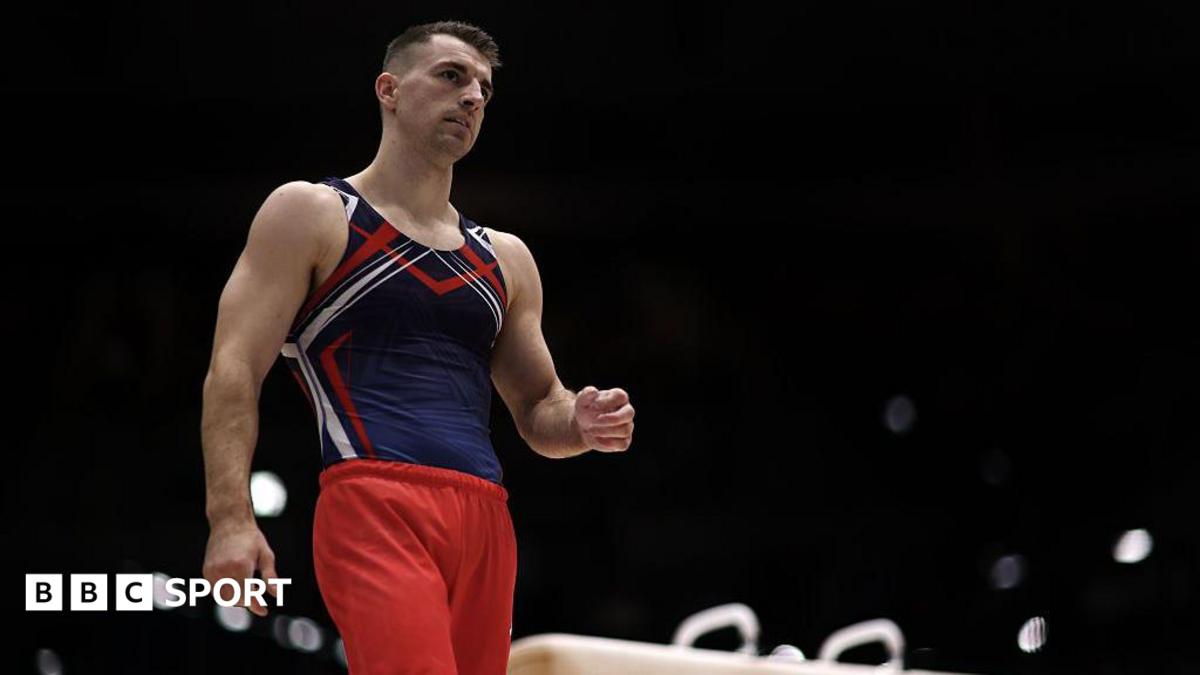
Three-time Olympic gold medallist Max Whitlock has officially withdrawn from the upcoming Commonwealth Games in Glasgow after sustaining a hand injury during training. The veteran gymnast, who has been a cornerstone of British gymnastics for over a decade, confirmed his absence following medical assessments that deemed him unfit to compete at the international event.
The withdrawal marks a significant shift in the competitive landscape for the Games. As one of the most decorated gymnasts in British history, Whitlock’s absence creates a void in the men’s artistic gymnastics field, impacting both individual event projections and the overall team dynamic. According to official statements from his representatives, the injury occurred during a routine training session, forcing a difficult decision to prioritize long-term recovery over immediate competition.
Impact of the Injury on Gymnastics Schedules
Max Whitlock’s career is defined by his precision on the pommel horse and his longevity at the elite level of the sport. Having secured three Olympic gold medals—two at the Rio 2016 Games and one at the Tokyo 2020 Games—his participation is typically a focal point for organizers and fans alike. The injury, which affects his hand, prevents the repetitive impact and grip strength required for high-level apparatus work.
In the context of the Commonwealth Games, this development necessitates a recalibration for the British team. Gymnastics officials often rely on the consistency of senior athletes to anchor younger competitors, particularly in team qualifying rounds. The decision to pull out was made in consultation with medical staff to avoid exacerbating the injury, which could otherwise jeopardize his potential for future appearances in the sport. The Commonwealth Games remain a key milestone for Commonwealth nations, and Whitlock’s withdrawal is the most high-profile absence recorded for this year’s iteration of the tournament.
Whitlock Career Context and Legacy
Since his emergence on the international stage, Whitlock has consistently been the gold standard for British gymnastics. His transition from an individual specialist to a team leader has been a recurring narrative in his career. His performance at the 2024 Paris Olympics—where he finished sixth in the pommel horse final—was widely considered one of his final major tests on the world stage.
The decision to withdraw from Glasgow reflects the reality of elite-level gymnastics, where the margin between peak performance and injury is thin. Athletes at his level of experience often face increased scrutiny regarding their physical sustainability. By choosing to withdraw, Whitlock follows a trend of veteran athletes opting for managed exits from major competitions to protect their physical health. His career, spanning multiple Olympic cycles, has left an indelible mark on the sport, specifically in elevating the profile of the pommel horse globally.
What Happens Next for the British Team
The focus for the British gymnastics contingent now shifts to finding replacements and adjusting team strategies for the Glasgow Games. Selection committees typically maintain a depth chart of reserve athletes who have been training in tandem with the primary squad. These reserve gymnasts will now be thrust into the spotlight, providing them with an unexpected opportunity to gain experience in a major multi-sport environment.
For fans and followers of the sport, the next checkpoint will be the official announcement of the revised team roster by the national governing body. This roster update will clarify how the team plans to distribute the workload across the various apparatuses. While Whitlock’s presence will be missed on the floor, the competitive nature of the Commonwealth Games ensures that the events will remain a primary showcase for emerging talent within the Commonwealth. Updates regarding the team composition and any further medical reports will be issued through official governing body channels in the lead-up to the opening ceremonies.
We welcome your thoughts on the impact of this withdrawal on the upcoming competition. Please share your perspective on how the British team might adapt in the comments section below.