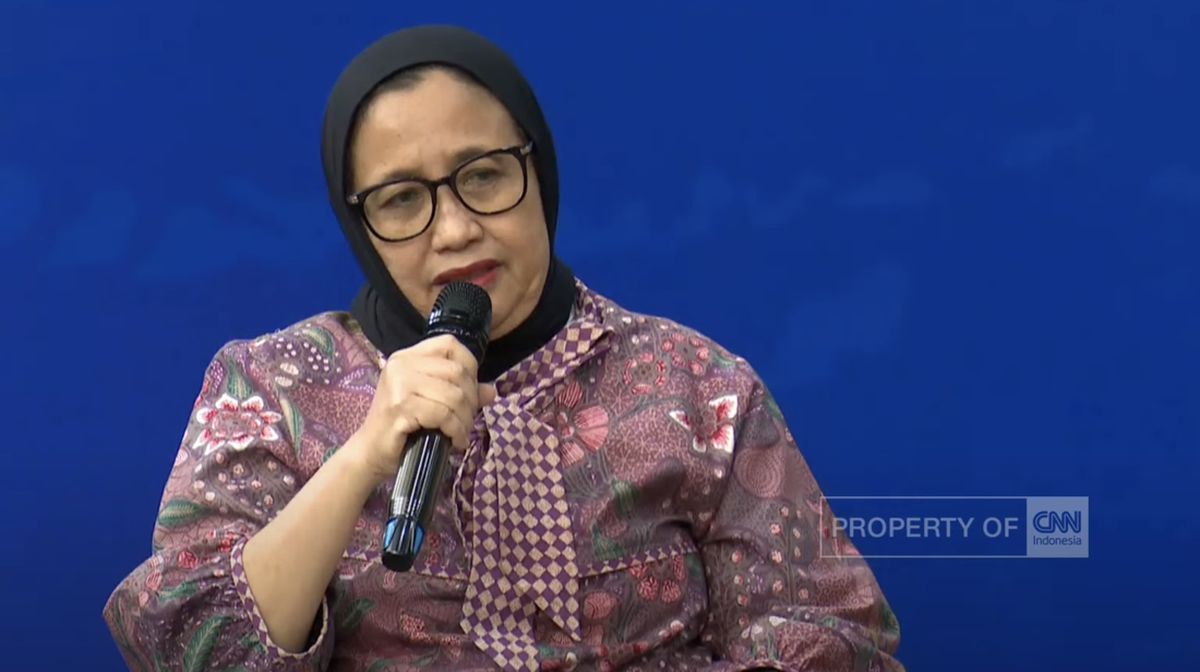
Indonesia’s efforts to combat malnutrition and improve childhood development are facing scrutiny as reports emerge of price gouging and substandard ingredients within the country’s ambitious National Free Nutrition Program (MBG). Wakil Kepala Badan Gizi Nasional (BGN), or Deputy Head of the National Nutrition Agency, Nanik Sudaryati Deyang, revealed this week that numerous partner Satuan Pelayanan Pemenuhan Gizi (SPPG), or Nutritional Fulfillment Service Units, are suspected of inflating the cost of raw food materials, potentially undermining the program’s reach and nutritional impact.
The Makan Bergizi Gratis, or Free Nutrition Program, launched with the intention of providing vital sustenance to vulnerable populations, particularly children aged six months to five years, and pregnant and breastfeeding mothers. The program aims to address stunting and improve overall health outcomes across the archipelago. However, allegations of financial irregularities and compromised quality are raising concerns about its effective implementation. The BGN is now actively investigating these claims, seeking to ensure that funds allocated for nutritious meals are not being diverted through inflated pricing and the leverage of inferior ingredients.
Deyang’s statements, made during a coordination meeting with 933 kitchen managers from the Solo Raya region – encompassing Surakarta City, Boyolali Regency, Sragen Regency, and Karanganyar Regency – highlight a systemic issue that may extend beyond this specific area. Reports from SPPG heads detailed instances of prices exceeding the Highest Retail Price (HET), coupled with pressure to accept low-quality food products. This situation underscores the challenges of oversight and accountability within a large-scale, decentralized program. The BGN is taking these reports seriously, initiating immediate checks to identify and address the fraudulent practices.
Concerns Over Budget Allocation and Ingredient Quality
The controversy surrounding the MBG program centers on the allocated budget for each meal. Recent clarification from the BGN, as reported by Harian Basis, indicates that the budget for raw food materials is between Rp 8,000 and Rp 10,000 (approximately $0.51 to $0.64 USD based on current exchange rates) per portion. This figure differs from earlier reports suggesting a budget of Rp 15,000 per portion. Nanik Sudaryati Deyang explained that the higher Rp 13,000 budget is allocated for children up to the third grade of elementary school, while Rp 15,000 is designated for students in the fourth grade and above, as well as breastfeeding mothers. However, she emphasized that this larger amount encompasses not only the cost of ingredients but also operational expenses and incentives for implementing partners.
According to the BGN, operational costs account for Rp 3,000 per portion, covering expenses such as electricity, internet, gas, water, volunteer incentives, insurance, vehicle costs, cleaning supplies, and operational support for SPPG heads and their teams. An additional Rp 2,000 per portion is allocated for facility rental and equipment, including kitchens, warehouses, and cooking equipment like rice steamers and refrigerators. These details, outlined in the latest technical guidelines (Juknis) number 401.1, aim to provide transparency regarding how program funds are distributed. The agency is keen to demonstrate that the allocated budget is comprehensive and intended to support a sustainable and effective program.
Crackdown on SPPG Misconduct and Supplier Practices
Deyang issued a stern warning to SPPG heads, emphasizing their responsibility to uphold financial integrity and resist pressure from partners attempting to inflate prices or provide substandard ingredients. She urged them to report any instances of misconduct and warned of severe consequences, including suspension, for SPPG partners found guilty of fraudulent practices. “If any partner is caught marking up food prices and only providing one or two suppliers, I will suspend them!” Deyang stated firmly. This strong stance signals the BGN’s commitment to rooting out corruption and ensuring that the program delivers on its promise of providing nutritious meals to those in need.
The BGN is also focusing on diversifying the supply chain for SPPG kitchens. Currently, some partners are reportedly limiting suppliers to just one or two vendors, potentially creating opportunities for price manipulation and compromising quality. Deyang stressed the importance of empowering local farmers, ranchers, fishermen, cooperatives, and small and medium-sized enterprises (UMKM) as suppliers. This approach aligns with Presidential Regulation Number 115 of 2025, which prioritizes the use of domestic products and the involvement of local businesses in the MBG program. The regulation, in Article 38 paragraph (1), explicitly mandates the prioritization of local sourcing and the participation of micro and small enterprises.
Ensuring a Diverse and Transparent Supply Chain
To further ensure transparency and prevent collusion, the BGN is requiring SPPGs to utilize a minimum of 15 suppliers for raw food materials. This measure aims to foster competition, reduce reliance on single vendors, and promote the economic empowerment of local communities. The agency is also prohibiting SPPGs from rejecting supplies from small-scale farmers, ranchers, and fishermen without valid justification. Kitchen managers are expected to actively mentor local businesses to develop into official suppliers, creating a sustainable and equitable supply chain.
The BGN’s actions come amid growing public concern over the program’s effectiveness and accountability. The allegations of price gouging and substandard ingredients raise questions about the oversight mechanisms in place and the potential for corruption to undermine the program’s goals. The agency’s swift response, including the investigation of SPPG partners and the emphasis on diversifying the supply chain, demonstrates a commitment to addressing these concerns and ensuring that the MBG program delivers on its promise of providing nutritious meals to vulnerable populations.
Next Steps and Ongoing Monitoring
The BGN has dispatched teams to the Solo Raya region to conduct on-site inspections and gather data on SPPGs affected by the alleged price markups. This investigation will be crucial in identifying the extent of the problem and holding accountable those responsible for fraudulent practices. The agency is also reviewing its internal controls and oversight mechanisms to prevent similar issues from arising in the future. The BGN’s commitment to transparency and accountability will be essential in restoring public trust in the MBG program.
The success of the Makan Bergizi Gratis program hinges on effective implementation, rigorous oversight, and a commitment to ethical practices. By addressing the concerns raised regarding price gouging and ingredient quality, the BGN can ensure that the program reaches its intended beneficiaries and contributes to improved nutritional outcomes for vulnerable populations across Indonesia. The agency is expected to release a comprehensive report on its findings in the coming weeks, outlining the steps it will take to strengthen the program and safeguard its integrity.
The BGN will continue to monitor the situation closely and work with local authorities and stakeholders to ensure the program’s long-term sustainability. Regular audits, transparent reporting, and active engagement with communities will be crucial in maintaining accountability and maximizing the impact of the Makan Bergizi Gratis program. The agency encourages public feedback and participation in its efforts to combat malnutrition and improve the health and well-being of Indonesian citizens.
As the investigation unfolds, the BGN is expected to provide further updates on its progress and any additional measures taken to address the identified issues. The agency’s commitment to transparency and accountability will be vital in restoring public trust and ensuring the long-term success of the Makan Bergizi Gratis program. We encourage readers to share their thoughts and experiences with the program in the comments below.
Worth a look