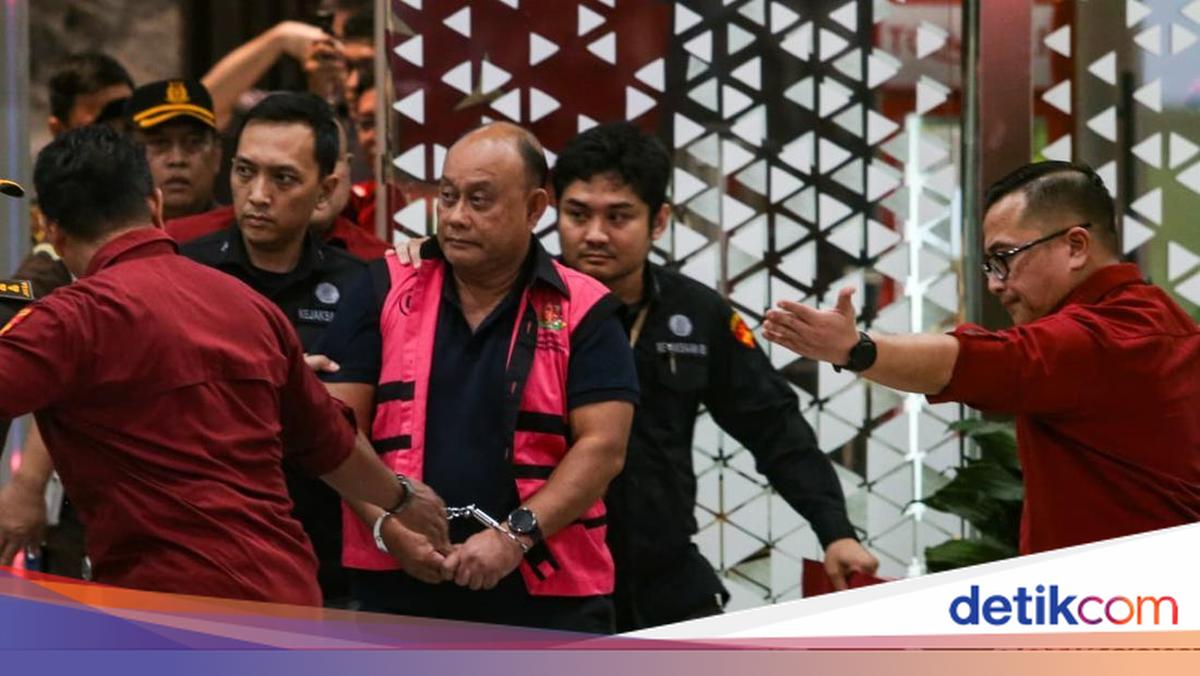
Indonesian law enforcement authorities are currently investigating a high-profile corruption case involving the Makan Bergizi Gratis (MBG) program, a flagship initiative of the current administration. As of late 2024, the Attorney General’s Office (Kejaksaan Agung) has identified five individuals as suspects in connection with alleged financial irregularities surrounding the procurement and implementation of the program, according to official statements released by the agency.
The investigation centers on the alleged misappropriation of funds linked to electric motorcycle procurement and related operational costs, with total project values estimated to reach approximately Rp1 trillion. Prosecutors are currently scrutinizing the roles of private sector contractors and their relationship with public officials to determine how these contracts were awarded and executed, as reported by the Attorney General’s Office of the Republic of Indonesia.
The Scope of the Investigation
The core of the legal inquiry focuses on the transparency of the tender process for the “Molis” (Motor Listrik or electric motorcycle) project. Investigators have raised questions regarding the eligibility of certain vendors involved in the project. Specifically, reports have emerged that one key figure, identified as Andri Mulyono, secured a contract despite lacking the necessary dealership infrastructure or legitimate business credentials typically required for a project of this scale, according to coverage by CNN Indonesia.

The project, which carries a valuation of Rp1 trillion, was intended to support the logistics and distribution infrastructure for the national nutritional program. The Attorney General’s Office continues to map out the financial flow to identify whether funds were diverted for personal gain or used to facilitate illicit payments to secure the contracts. This investigation is part of a broader crackdown on corruption within state-funded social welfare programs, which the government has prioritized under its current anti-graft mandate.
Key Figures and Legal Status
Among the individuals under intense scrutiny is Sony Sanjaya, whose testimony is expected to provide significant insights into the operational hierarchy of the alleged scheme. Legal experts suggest that his cooperation could fundamentally alter the trajectory of the case. However, prosecutors have clarified the limitations regarding his potential status as a “justice collaborator.” According to the Kejaksaan Agung, Sanjaya cannot be granted such status if he is determined to be a primary actor or the mastermind behind the corruption, as current Indonesian law requires justice collaborators to be minor players providing information against larger entities.
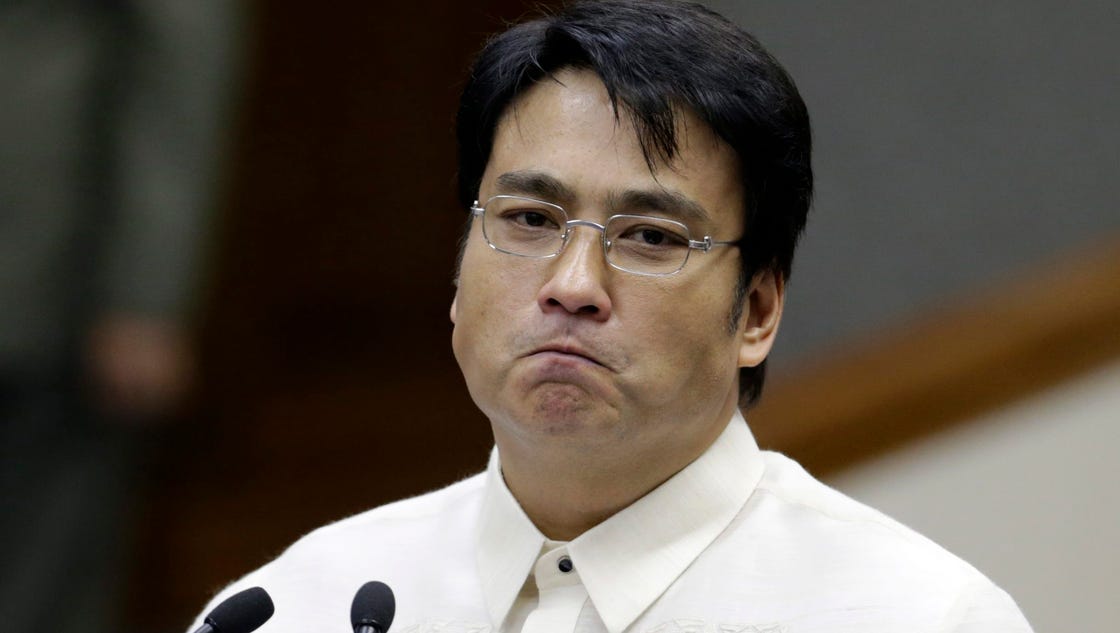
The legal team representing the suspects has yet to issue a formal defense statement regarding the specific allegations of bid-rigging and fund misappropriation. The Attorney General’s Office maintains that the evidence collected, including financial records and witness testimonies, remains sufficient to proceed with the prosecution. The ongoing nature of the investigation means that additional suspects could be identified as investigators continue to trace the complex web of subcontractors and intermediaries involved in the MBG program.
Understanding the Procurement Irregularities
The controversy highlights systemic vulnerabilities in the government’s rapid procurement processes. When large-scale projects are fast-tracked to meet political deadlines, the oversight mechanisms intended to vet contractors can sometimes be bypassed. In this instance, the alleged lack of operational capability—such as the absence of a registered dealership for the electric vehicle portion of the contract—serves as a primary point of contention for auditors and investigators.
The Kompas.id investigative team has noted that the involvement of multiple private entities raises questions about the transparency of the selection process. The public remains focused on whether the Rp1 trillion budget was spent effectively or if it was inflated to accommodate kickbacks. As the case progresses, the Attorney General’s Office is expected to provide further clarity on the timeline of the alleged crimes, which are currently being analyzed under the national law governing the eradication of corruption.
Next Steps in the Legal Process
The legal proceedings remain in the preliminary phase, with the Attorney General’s Office preparing to file formal charges once the final audit of the project’s financial statements is complete. The next critical checkpoint will be the commencement of the evidentiary hearings in the Corruption Court (Pengadilan Tipikor), where the prosecution must prove the causal link between the suspects’ actions and the financial loss to the state. The government has signaled that it will pursue the maximum penalties allowed under the law to serve as a deterrent against further misuse of public funds.
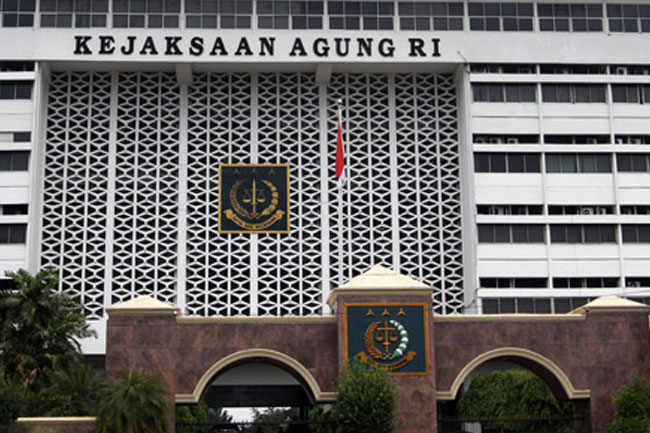
For updates on the scheduled hearing dates and official court transcripts, members of the public and journalists are encouraged to monitor the official portal of the Attorney General’s Office. As this case continues to develop, further analysis will be provided on the potential impact of these findings on the future administration of the Makan Bergizi Gratis program. Please share your thoughts or questions in the comments section below as we track these developments.