Mataram, Indonesia – A measles outbreak is currently unfolding across three districts in Nusa Tenggara Barat (NTB) province, prompting an emergency immunization response from provincial authorities. As of the seventh week of 2026, a total of 985 suspected measles cases have been reported, concentrated in Kota Bima, Kabupaten Bima, and Kabupaten Dompu. The situation has escalated to the point where these three areas have been officially declared to be experiencing an Extraordinary Event (KLB), the Indonesian designation for a public health emergency.
The surge in cases is a significant concern for public health officials, particularly given the vulnerability of young children. Measles is a highly contagious viral infection that can lead to serious complications, including pneumonia, encephalitis, and even death. The current outbreak underscores the critical importance of widespread vaccination to protect communities and prevent further spread of the disease. The Indonesian government has a national immunization program, but gaps in coverage remain a key factor driving this outbreak.
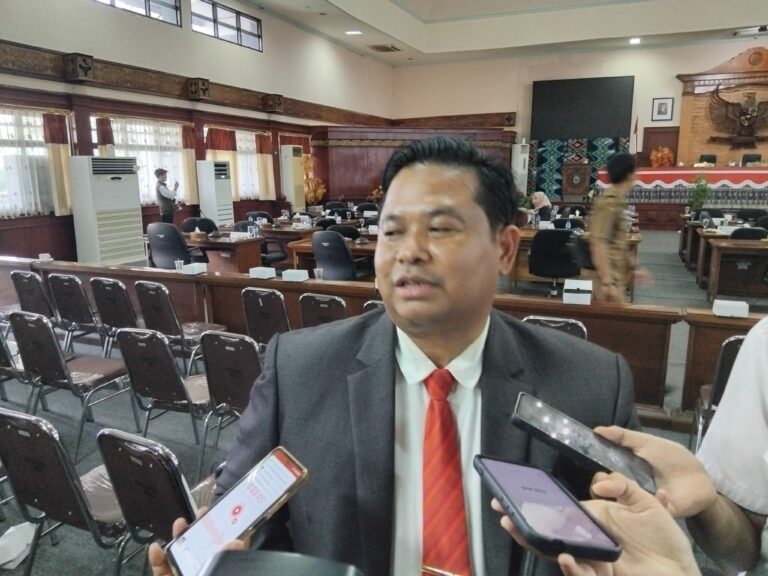
Dr. Lalu Hamzi Fikri, Head of the NTB Provincial Health Office, confirmed the outbreak status and the ongoing emergency immunization efforts. He emphasized that the primary goal of the Outbreak Response Immunization (ORI) campaign is to interrupt the chain of transmission, focusing on protecting the most susceptible populations – infants and toddlers. “The priority of the ORI is given to babies and toddlers aged nine to 59 months,” Dr. Fikri stated, as reported by MetroTVNews on March 12, 2026.
Understanding the Measles Outbreak in NTB
The declaration of a KLB signifies a serious public health threat requiring immediate and coordinated action. According to data from the NTB Provincial Health Office, the 985 suspected cases are exclusively located within the three affected districts. Several factors are contributing to the outbreak, including incomplete immunization coverage among children, fluctuations in routine immunization rates over recent years, and increased population mobility. These factors have created a pool of susceptible individuals, making the region vulnerable to a widespread outbreak. NTBSatu reported on March 12, 2026, that the high mobility of people at the beginning and end of the year, delayed detection, and environmental and behavioral factors are also playing a role.
Measles is particularly dangerous for children under five years of age, and a significant proportion of the cases in NTB are occurring within this age group. The majority of these cases involve children who have either not been immunized at all or have an incomplete immunization record. This highlights the critical need to improve immunization rates and ensure that all children receive the recommended doses of the measles-rubella (MR) vaccine. The World Health Organization (WHO) recommends two doses of MR vaccine for optimal protection.
The outbreak isn’t limited to suspected cases. tragically, two deaths have been attributed to measles in Kabupaten Bima, according to reports. This underscores the severity of the situation and the potential for fatal complications if the virus is not contained. The Indonesian Ministry of Health is working closely with provincial and local authorities to provide support and resources to combat the outbreak.
Emergency Response and Immunization Efforts
In response to the KLB declaration, the NTB Provincial Government has launched a comprehensive emergency immunization campaign, known as Outbreak Response Immunization (ORI). This campaign is being implemented across all health centers (Puskesmas) in Kota Bima, Kabupaten Bima, and Kabupaten Dompu. The ORI prioritizes infants and toddlers aged nine to 59 months, aiming to rapidly increase immunization coverage within this vulnerable age group.
Beyond immunization, health officials are strengthening active surveillance and contact tracing efforts at the village and health center levels. This involves actively seeking out potential cases, identifying individuals who may have been exposed to the virus, and monitoring their health status. Rapid detection and response are crucial to preventing further spread of the disease. The government is also distributing Vitamin A to confirmed cases of measles to help prevent complications and reduce the risk of mortality. Vitamin A supplementation is a standard practice in measles management, as it can help bolster the immune system and reduce the severity of the illness.
Dr. Fikri emphasized the importance of community education and awareness. Public health officials are actively disseminating information about the symptoms of measles – typically beginning with high fever, cough, runny nose, and followed by a characteristic rash – and the importance of completing the full immunization schedule. They are also urging parents to seek immediate medical attention if their child develops these symptoms. “We guarantee the availability of KLB logistics, including vaccines, vitamin A, and support for clinical management in health facilities,” Dr. Fikri assured.
Strengthening Healthcare Infrastructure
The response extends beyond vaccination and treatment. Health facilities in Kota Mataram are reinforcing triage and isolation procedures to quickly identify and separate suspected measles cases in emergency rooms and outpatient clinics. Dedicated isolation areas are being established in pediatric and infectious disease units to prevent further transmission, particularly during the surge in cases. This proactive approach aims to minimize the risk of hospital-acquired infections and protect both patients and healthcare workers.
The Broader Context of Measles and Immunization
The measles outbreak in NTB is not an isolated incident. Globally, measles cases have been on the rise in recent years, driven by declining immunization rates in many countries. The COVID-19 pandemic disrupted routine immunization services, leading to a backlog of unvaccinated children and increased susceptibility to vaccine-preventable diseases like measles. The WHO and UNICEF have warned of a growing measles threat, emphasizing the urgent need to catch up on missed vaccinations and strengthen immunization programs worldwide.
Measles remains a significant public health challenge, despite the availability of a safe and effective vaccine. Vaccine hesitancy, misinformation, and logistical challenges in reaching remote or underserved populations all contribute to gaps in immunization coverage. Addressing these challenges requires a multi-faceted approach, including building trust in vaccines, improving access to healthcare services, and strengthening surveillance systems.
The measles-rubella (MR) vaccine is a combined vaccine that provides protection against both measles and rubella, another highly contagious viral infection that can cause serious complications, particularly in pregnant women. The MR vaccine is typically administered in two doses, with the first dose given at nine months of age and the second dose at 15-18 months of age. Maintaining high immunization coverage rates is essential to achieving herd immunity, which protects even those who cannot be vaccinated, such as infants too young to receive the vaccine or individuals with certain medical conditions.
The Indonesian government is committed to achieving universal immunization coverage and eliminating measles and rubella. The ongoing emergency immunization campaign in NTB is a critical step in this direction, but sustained efforts are needed to strengthen routine immunization services and address the underlying factors contributing to vaccine hesitancy and incomplete immunization rates.
Key Takeaways:
- A measles outbreak has been declared a public health emergency (KLB) in three districts of NTB province, Indonesia.
- As of March 12, 2026, 985 suspected cases have been reported, with two deaths confirmed in Kabupaten Bima.
- An emergency immunization campaign (ORI) is underway, prioritizing infants and toddlers aged 9-59 months.
- Declining immunization rates, population mobility, and delayed detection are contributing factors to the outbreak.
- Strengthening surveillance, contact tracing, and community education are crucial to controlling the spread of the virus.
The NTB Provincial Health Office will continue to monitor the situation closely and provide regular updates on the outbreak. The next official update is expected on March 19, 2026. For more information on measles and immunization, please visit the World Health Organization’s measles fact sheet. We encourage readers to share this information with their communities and to prioritize vaccination to protect themselves and their loved ones.
Keep reading