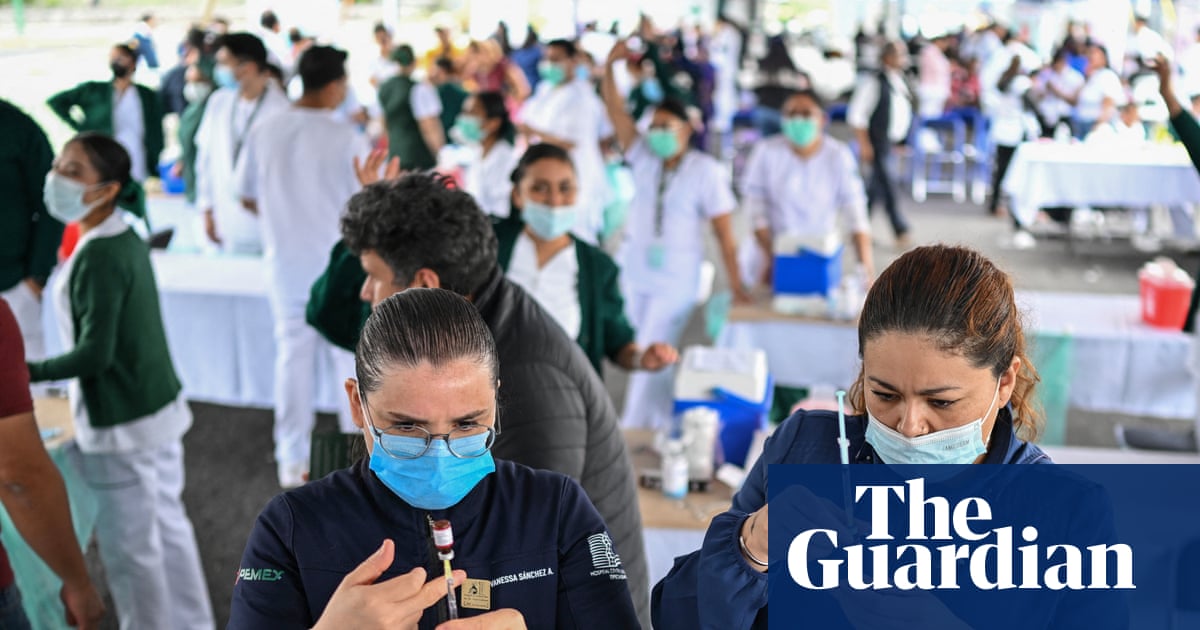
Measles Resurgence in south America Linked to Declining Vaccine Confidence in the US
A concerning measles outbreak is sweeping across south America, particularly in Bolivia, and experts are pointing to a surprising source of influence: waning vaccine confidence fueled, in part, by misinformation originating in the United States. Declining vaccination rates, coupled with limited access to healthcare in some regions, are creating a perfect storm for the resurgence of this highly contagious disease.
The situation is particularly acute in Bolivia, where 80% of the country’s measles cases have been reported. Public health officials there observe a direct correlation between statements made by prominent US figures and hesitancy among their population. You might be wondering how US opinions impact healthcare decisions abroad. The reality is that many South American nations look to the US for guidance, and skepticism voiced by a US health official can regrettably resonate with individuals questioning vaccine safety.
The Role of Misinformation
Recently, the US health secretary has been a source of this concern. While he eventually endorsed the MMR vaccine following an outbreak in Texas, he previously disseminated misleading details regarding its safety and effectiveness, as well as appropriate measles treatment. This inconsistency has understandably created confusion and distrust.
Here’s a breakdown of the issues:
* Past Misinformation: Prior statements questioned the safety profile of the MMR vaccine.
* Treatment Claims: Inaccurate information about treating measles with Vitamin A has circulated.
* Conflicting Messages: The eventual endorsement of the vaccine was overshadowed by earlier skepticism.
These mixed messages contribute to a climate of uncertainty, making it harder for public health officials to promote vaccination.
Shifting US Policy & Its Ripple Effect
Adding to the complexity, the US Centers for Disease Control and Prevention (CDC) recently suggested administering the MMR vaccine as three separate injections instead of the combined shot.This recommendation goes against decades of established research demonstrating the safety and efficacy of the combined vaccine, and even contradicts the CDC’s own longstanding guidance.
This policy shift, led by a newly appointed director with a background in biotech investment, has raised eyebrows among medical professionals. It further fuels skepticism and provides ammunition for those already hesitant about vaccination.
Bolivia’s Response & Ongoing Challenges
Bolivia has declared a national health emergency in response to the outbreak.The government has implemented several measures, including:
* Extended school holidays to limit contact between children.
* A nationwide vaccination campaign.
* Reliance on vaccine donations from Brazil, India, and Chile.
despite these efforts, vaccination coverage in October had only reached 45%, leaving a notable portion of the population vulnerable. Over 1.6 million doses remain available, but overcoming vaccine hesitancy remains a major hurdle.
“We’ve been campaigning to increase the vaccination rate,” explains Carlos Paz, head of infectious diseases at a pediatric hospital in Santa Cruz. “Each doctor, each pediatrician, is a soldier advocating for vaccination.”
Protecting Your family & Community
Measles is a serious illness that can lead to severe complications, especially in young children. It’s crucial to ensure you and your family are up-to-date on your vaccinations. If you have any concerns about the MMR vaccine,please consult with your healthcare provider.
Remember, vaccination is not just about protecting yourself; it’s about protecting your community and preventing the spread of this preventable disease. Reliable information from trusted medical sources is your best defense against misinformation and a vital step in safeguarding public health.
Keep reading
- Python Hunters: Tracking Invaders in the Florida Everglades
- Who Was Kavinsky? The Story Behind the Artist of “Nightcall
- Havenwood Heritage Heights Concord NH: Fitness Centers, Outdoor Activities, and Health Services for Seniors (news-usa.today)
- COP33 and South Korea Host Three Major International Conferences on Global Economy Oceans and Climate in 2023 (archyde.com)