
For many, the mention of measles evokes memories of a childhood rite of passage—a fever, a predictable rash and a week of bed rest. However, as a physician and health journalist, I have seen how this perception can be dangerously misleading. Measles is not merely a “little rash” or a mild childhood illness; This proves a potent, highly contagious airborne virus that can leave a permanent mark on a child’s health, sometimes appearing years after the initial infection has seemingly vanished.
The danger of measles lies in its ability to compromise the immune system and, in rare but devastating cases, hide within the central nervous system. While the immediate risks—such as pneumonia or encephalitis—are well-documented, there is a more insidious threat that medical professionals view with particular dread. This delayed neurological decline can transform a child’s life, leading to cognitive impairment, motor loss, and eventually, death, long after the initial fever has broken.
Understanding the long-term complications of measles is essential for parents and caregivers globally, especially as vaccination rates fluctuate. When we discuss the risks of this disease, we are not just talking about a few days of discomfort, but about the potential for life-altering neurological damage that cannot be reversed once it begins.
The Immediate Path: From Infection to Acute Complications
Measles typically begins with a deceptive onset. About 7 to 14 days after exposure to the virus, the first symptoms appear: a high fever that can spike above 104° Fahrenheit, a persistent cough, a runny nose (coryza), and red, watery eyes known as conjunctivitis. A few days later, tiny white spots called Koplik spots may appear inside the mouth, serving as a diagnostic hallmark for clinicians. According to the Centers for Disease Control and Prevention (CDC), the characteristic flat red rash usually emerges 3 to 5 days after these initial symptoms, starting at the hairline and spreading downward to the neck, trunk, and extremities.
While many children recover from this acute phase, the virus frequently triggers secondary complications. Ear infections occur in approximately 1 out of every 10 children infected with measles, and diarrhea is reported in less than 10% of cases. More severe are the respiratory and neurologic complications; the CDC notes that nearly 1 to 3 out of every 1,000 children who contract measles will die from these complications.
The virus does not just attack the respiratory tract; it causes “immune amnesia.” This phenomenon occurs when the measles virus wipes out the memory cells of the immune system, leaving the child vulnerable to other bacterial and viral infections they had previously fought off. This systemic weakness is why measles often leads to severe pneumonia, the most common cause of measles-related death in children.
The Silent Threat: SSPE and Delayed Neurological Decline
The most harrowing aspect of measles is a rare but fatal condition known as Subacute Sclerosing Panencephalitis (SSPE). This is the “delayed” danger often referenced by infectious disease specialists when they warn that even mild forms of the disease can lead to death years later. SSPE is a progressive neurological disorder caused by a persistent infection of the brain by a mutated form of the measles virus.
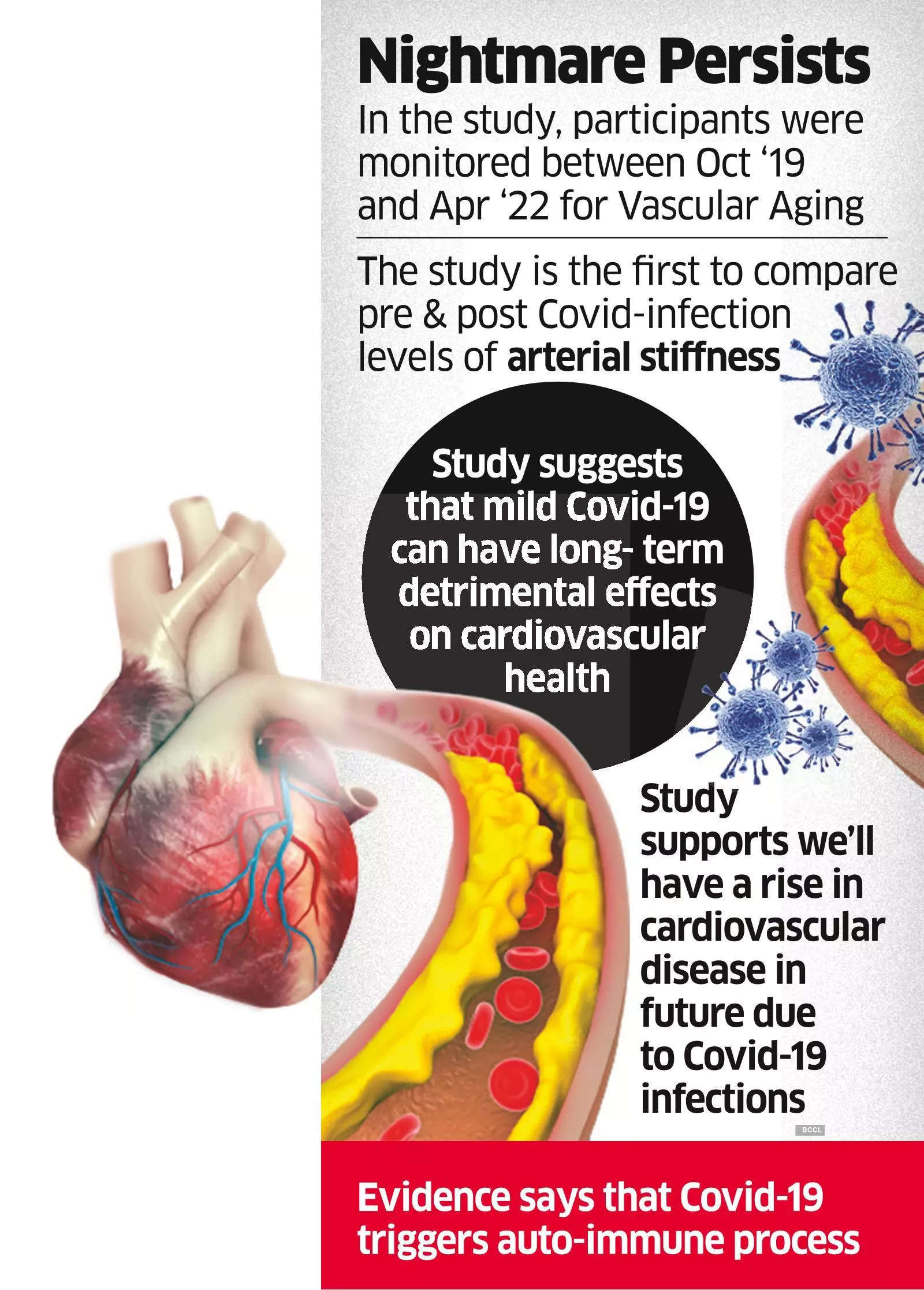
Unlike the acute encephalitis that happens during the initial infection, SSPE is a “slow virus” disease. The virus remains dormant in the brain for years—typically 7 to 10 years—before it begins to reactivate and destroy the myelin sheath and neurons of the central nervous system. Because the initial measles infection may have been mild or even unnoticed, the onset of SSPE often comes as a complete shock to families.
The progression of SSPE typically follows a devastating trajectory:
- Early Stage: Behavioral changes, irritability, and a decline in academic performance or cognitive abilities.
- Middle Stage: The onset of myoclonic jerks (involuntary muscle spasms), loss of coordination, and the gradual loss of speech.
- Final Stage: Total loss of voluntary movement, blindness, and a state of vegetative persistence, eventually leading to death.
There is currently no cure for SSPE. Once the symptoms manifest, the disease is invariably fatal. This stark reality underscores why the “mildness” of an initial measles case is irrelevant; the risk of the virus persisting in the brain exists regardless of how the initial rash appeared. The only effective way to prevent SSPE is to prevent the initial measles infection entirely through vaccination.
The Global Vaccination Gap and Rising Risks
The tragedy of measles-related deaths and long-term complications is that they are entirely preventable. The measles, mumps, and rubella (MMR) vaccine is one of the most successful public health interventions in history. According to the World Health Organization (WHO), measles vaccination averted nearly 59 million deaths between 2000 and 2024.
Despite this, the world is seeing a dangerous trend in declining immunization coverage. The WHO reports that in 2024, the proportion of children receiving a first dose of the measles vaccine was 84%, which is a drop from the 86% recorded in 2019. This gap in coverage has led to a resurgence of the virus in regions where it was previously eliminated.
In 2024, an estimated 95,000 people died from measles globally, the vast majority of whom were unvaccinated or under-vaccinated children under the age of five. When vaccination rates fall below the “herd immunity” threshold—roughly 95% coverage—the virus can spread rapidly through a community, finding the most vulnerable children and putting them at risk for both acute death and the delayed horror of SSPE.
Protecting the Next Generation: Practical Guidance
As a physician, my strongest recommendation to any parent is to verify their child’s immunization status immediately. Two doses of the MMR vaccine provide the best protection against the virus. If you are planning international travel, it is critical to ensure your family is up to date on their shots, as measles remains endemic in many parts of the world and can be easily imported into regions with low vaccination rates.
If you suspect your child has been exposed to measles, do not walk into a clinic or emergency room without calling first. Because measles is highly contagious and airborne, healthcare providers need to prepare isolation protocols to prevent the virus from spreading to other patients in the waiting room. Seek care immediately, but communicate your exposure via phone first.
For those seeking official guidance, the CDC Measles Toolkit provides comprehensive resources for families and healthcare providers on how to respond to outbreaks and maintain immunity. Vaccination is not just a personal health choice; it is a collective shield that protects children who are too young to be vaccinated or those with compromised immune systems who cannot receive the live-attenuated vaccine.
The narrative that measles is a harmless childhood illness is a relic of the past that You can no longer afford to believe. The reality is a disease that can steal a child’s future years after the initial infection. By prioritizing vaccination, we eliminate the risk of SSPE and ensure that “childhood” remains a time of growth, not a countdown to a preventable neurological catastrophe.
The next critical checkpoint for global health monitoring will be the release of the 2025 WHO immunization coverage data, which will reveal whether the current efforts to close the vaccination gap are succeeding. We encourage readers to share this information with their community and consult their local healthcare providers to ensure all children are protected.
Do you have questions about the MMR vaccine or how to spot early symptoms of measles? Share your thoughts or questions in the comments below.
Worth a look