The state parliament of Mecklenburg-Western Pomerania has officially passed a new climate protection law, marking a significant, if controversial, shift in the region’s environmental strategy. The legislative move, which establishes a formal framework for the state’s transition to climate neutrality, has drawn immediate attention due to the formal adjustment of key climate targets, which are now officially set for the year 2045.
This legislative development in Mecklenburg-Western Pomerania reflects a broader national trend in Germany, where federal and state governments are navigating the complex balance between ambitious environmental goals and the practicalities of industrial, agricultural, and infrastructure transformation. By codifying these targets into state law, lawmakers aim to provide a predictable, albeit extended, timeline for achieving net-zero emissions.
Establishing the 2045 Climate Framework
The core of the newly adopted legislation is the formal commitment to achieving climate neutrality by 2045. This alignment mirrors the timeline established at the federal level in Germany, which has shifted its sights toward this mid-century deadline for total decarbonization. Supporters of the bill argue that setting this date provides industry and local municipalities with a clear, legally binding trajectory for investment and long-term planning.
However, the shift in timelines has not been without its critics. Environmental advocacy groups and opposition political figures have expressed concerns that pushing back certain interim targets could diminish the urgency required to address immediate ecological challenges. The debate within the Landtag highlighted a fundamental tension: the need for rapid, transformative action versus the logistical constraints of implementing large-scale renewable energy and carbon sequestration projects across the state’s diverse geography.
Prioritizing Moorland Restoration and Biodiversity
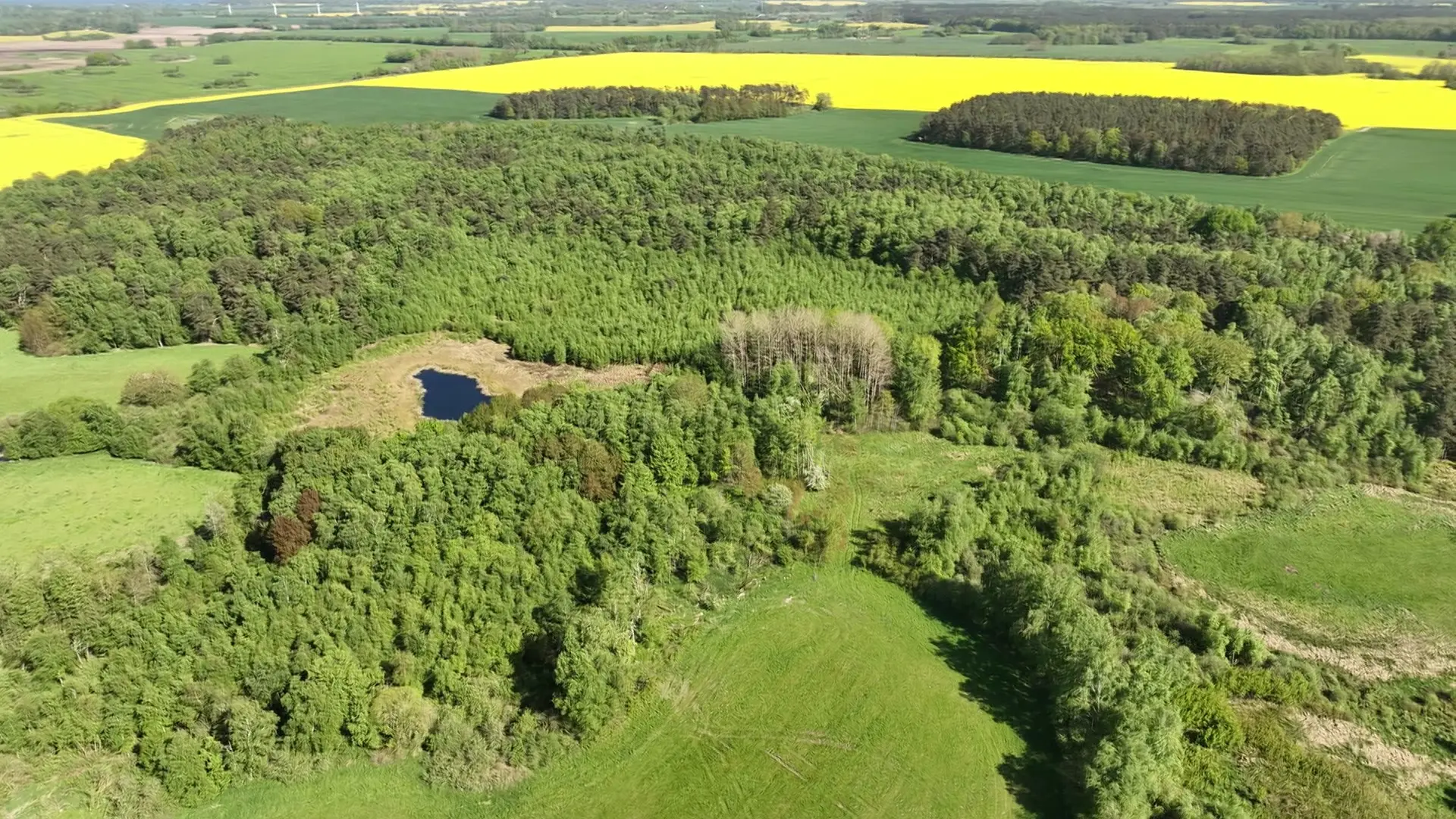
A critical component of the state’s climate strategy, and one that remains a focal point of ongoing discussion, is the protection and restoration of peatlands (moors). In Mecklenburg-Western Pomerania, these ecosystems serve as vital carbon sinks. The State Ministry for Climate Protection, Agriculture, Rural Areas and Environment has emphasized the importance of “renaturierung”—the rewetting of drained moorlands—to prevent the release of stored carbon dioxide into the atmosphere.

Advocates for the environment have urged the state government to accelerate these restoration efforts. Because peatlands are a unique feature of the region’s landscape, their preservation is viewed not only as a climate imperative but also as a necessity for maintaining regional biodiversity. The legislative discussions underscored that while the 2045 goal provides the “when,” the restoration of these natural assets remains a key pillar of the “how.”
Regional Impact and Future Implementation
The impact of this climate law will be felt across various sectors, from agriculture—which must adapt to changing soil management practices—to the energy sector, which is tasked with expanding wind and solar capacity while maintaining grid stability. Local government agencies and community stakeholders are now tasked with translating these broad legislative mandates into specific regional policies.
For the residents of Mecklenburg-Western Pomerania, the law represents a commitment to a long-term transition. As the state moves toward 2045, officials are expected to provide periodic updates on progress, carbon emission reductions, and the status of ongoing environmental projects. The government’s ability to meet these benchmarks will likely remain a central theme in state-level political debates for the foreseeable future.
Key Takeaways
- Climate Neutrality Deadline: The state has formally adopted 2045 as the target year for achieving climate neutrality, aligning with federal German objectives.
- Legal Framework: The newly passed climate law provides the statutory basis for state-wide emission reduction strategies.
- Focus on Peatlands: The restoration of moors is prioritized as a primary mechanism for carbon sequestration in the region.
- Ongoing Debate: While the law sets a clear path forward, debates continue regarding the pace of implementation and the adequacy of interim targets.
As we continue to monitor the implementation of this legislation, we look toward the next official reporting cycle from the state government regarding the first phase of the climate roadmap. For more information on environmental policy updates, residents and stakeholders are encouraged to check the official portals of the Mecklenburg-Western Pomerania State Parliament. We welcome your thoughts on how these climate policies might shape the future of the region—please feel free to share your insights in the comments below.
Related reading