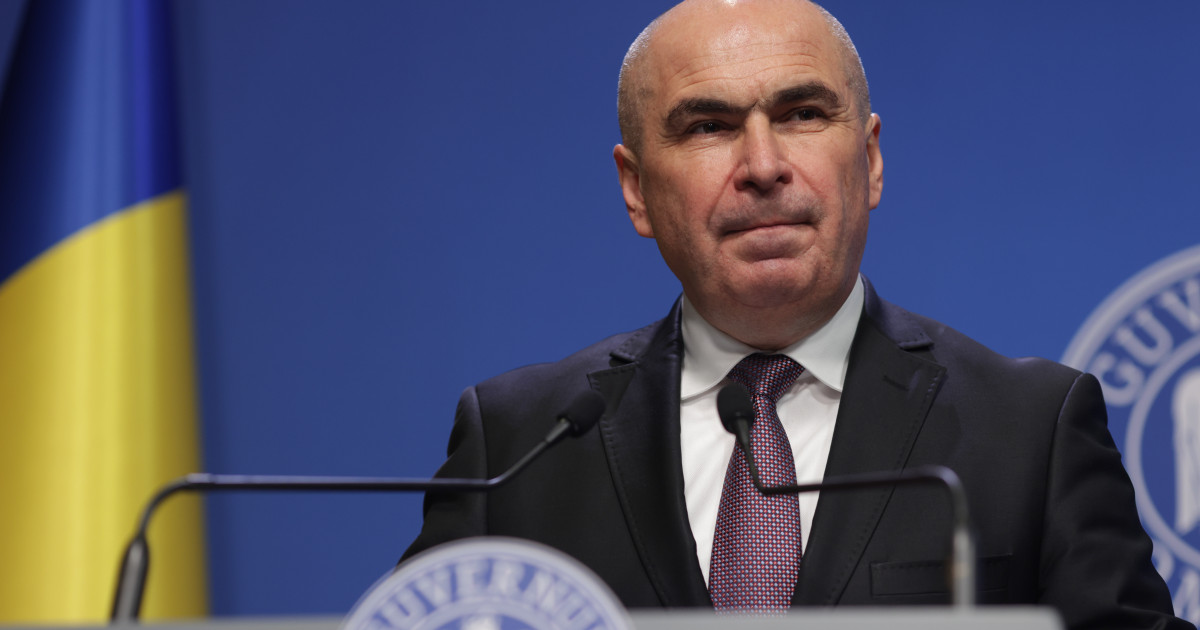
Romanian Prime Minister Ilie Bolojan remains in office despite growing pressure from the Social Democratic Party (PSD), according to statements from National Liberal Party (PNL) leaders who assert that parliamentary arithmetic ensures his continued tenure. The political situation intensified in April 2026 when PSD announced it would withdraw support for Bolojan’s government, potentially triggering a governmental crisis.
On April 20, 2026, PSD was set to decide whether to withdraw political support for Bolojan, who leads a coalition government with PNL, the Save Romania Union (USR), and the Democratic Union of Hungarians in Romania (UDMR). According to reports, PSD’s move aimed to pressure PNL into accepting a different prime minister, with analysts suggesting the withdrawal of PSD ministers as the most likely outcome if the decision passed.
PNL leadership, yet, maintained that the coalition with PSD was already over. On April 21, 2026, Bolojan stated after a nearly four-hour meeting with party leaders that PNL would no longer govern in coalition with PSD, citing the party’s attempt to force his resignation through an ultimatum. He emphasized that the decision was not about individuals but about breaking an “unfavorable way of doing politics” that he believed harmed Romania’s interests.
Despite PSD’s efforts, Bolojan said he would not resign, and President Nicușor Dan positioned himself as a mediator, stating he did not currently support Bolojan for prime minister but would oppose a PSD-AUR governing majority. UDMR likewise declared it would not support removing the prime minister, adding complexity to the parliamentary calculations.
Analysts noted that if PSD withdrew its ministers, interim appointments could maintain the government functioning for up to 45 days, while a motion of censure—either initiated by PSD or supported by the Alliance for the Union of Romanians (AUR)—remained a potential path to topple the government. PNL also indicated it was counting on possible defections from within its own ranks, particularly from factions historically aligned with PSD, to bolster support for an alternative Liberal candidate.
By April 22, 2026, Bolojan had confirmed that PNL had decided not to resign and that the coalition with PSD no longer existed from the Liberal perspective, even as he left open the possibility of accepting support from AUR to sustain governance. The situation underscored the fragility of Romania’s ruling coalition and the high stakes involved in maintaining parliamentary stability amid deepening partisan divisions.
The developments reflect broader challenges in Romania’s post-2024 political landscape, where no single party or alliance holds a clear majority, necessitating complex negotiations to ensure governability. As of the latest reports, discussions continued among PNL, USR, UDMR, and national minority representatives to explore the feasibility of a minority government capable of avoiding no-confidence motions and securing legislative passage, particularly for EU-funded recovery projects.
For ongoing updates on Romania’s political situation, readers are encouraged to consult official parliamentary records and verified news sources. Share your thoughts on how this crisis might affect governance in the region, and join the conversation on social media using #RomaniaPolitics.
Worth a look