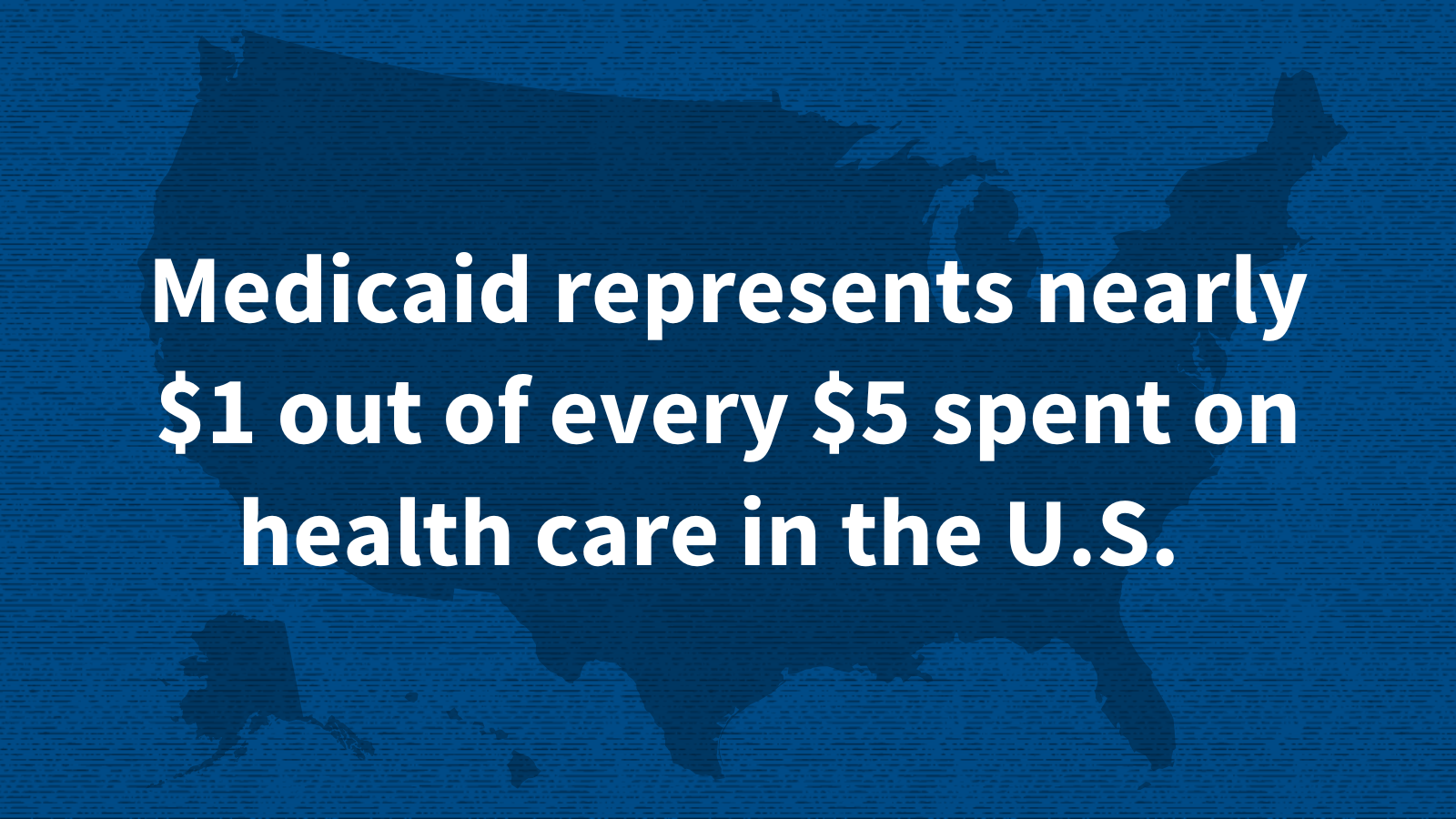
Medicaid, a cornerstone of the American healthcare system, provides vital coverage to millions of individuals and families with limited income. Its financing structure is a complex partnership between the federal government and individual states, a system designed to be responsive to economic fluctuations and evolving healthcare needs. Understanding how Medicaid is funded is crucial to grasping the program’s strengths, vulnerabilities, and the ongoing debates surrounding its future. This collaborative funding model ensures states receive federal matching payments for Medicaid services, with no pre-set limit, but the specifics of that match – and the potential for changes – are constantly in motion.
The federal government’s share of Medicaid costs, known as the Federal Medical Assistance Percentage (FMAP), isn’t a fixed number. It varies considerably based on a state’s per capita income, the type of services provided, and the eligibility group being served. This means states with lower incomes receive a larger federal contribution, recognizing their limited capacity to fund healthcare programs. The program’s counter-cyclical nature—increasing enrollment during economic downturns while state revenues decline—highlights the critical role Medicaid plays in providing a safety net during times of hardship. Recent legislative actions, particularly during the COVID-19 pandemic, have temporarily increased federal matching payments to support states grappling with increased demand and economic instability.
The intricacies of Medicaid financing extend beyond the basic FMAP. Special match rates exist for specific services, like family planning, and for populations covered under the Affordable Care Act (ACA) Medicaid expansion. Administrative costs, while a smaller portion of overall spending, too receive federal matching funds, albeit at varying rates. The funding model differs significantly for the U.S. Territories, which operate under statutory caps and fixed matching rates, a system that has faced scrutiny and recent adjustments to ensure adequate healthcare access for residents of these areas.
Understanding the Federal Medical Assistance Percentage (FMAP)
The FMAP is the linchpin of Medicaid financing. It’s the percentage of Medicaid costs paid by the federal government for services provided to eligible individuals. Determined by a statutory formula, the FMAP aims to provide a minimum federal match of 50%, with higher rates allocated to states with lower average per capita income. For federal fiscal year (FFY) 2027, the FMAP ranges from a floor of 50% in ten states – California, Colorado, Connecticut, Maryland, Massachusetts, New Hampshire, New Jersey, New York, Washington, and Wyoming – to a high of 77% in Mississippi. KFF data illustrates this variation, highlighting the program’s commitment to equity and supporting states with greater financial need.
Special Match Rates and the ACA Expansion
While the standard FMAP applies to the majority of Medicaid spending, exceptions exist for specific services, and populations. The ACA Medicaid expansion, which allows states to extend Medicaid eligibility to adults with incomes up to 138% of the federal poverty level, receives a significantly higher federal match rate of 90%. This incentivized states to expand coverage, reducing the financial burden on state budgets. As of March 2024, 41 states and the District of Columbia have adopted the Medicaid expansion. The Centers for Medicare & Medicaid Services (CMS) provides up-to-date information on expansion status.
Beyond the expansion group, administrative costs associated with running the Medicaid program also benefit from federal matching funds. Typically, these costs are matched at a 50% rate, but certain functions, such as eligibility and enrollment systems, may receive higher match rates. Administrative costs account for approximately 4% of total Medicaid spending, according to the Medicaid and CHIP Payment and Access Commission (MACPAC).
Medicaid Funding in U.S. Territories
The funding structure for Medicaid in the U.S. Territories – Puerto Rico, Guam, the U.S. Virgin Islands, American Samoa, and the Northern Mariana Islands – differs significantly from that of the 50 states and the District of Columbia. Unlike the states, territories receive annual federal funding subject to a statutory cap and a fixed matching rate. This means that once a territory exhausts its allocated federal funds, it no longer receives federal financial support for its Medicaid program during that fiscal year.
Recognizing the unique challenges faced by the territories, Congress has historically provided supplemental funding, particularly in response to emergencies. During the COVID-19 pandemic, legislation significantly increased allotments and raised the FMAP rates for the territories. The 2023 Consolidated Appropriations Act further extended these provisions, maintaining a 76% FMAP for Puerto Rico through FFY 2027 and making the 83% match rate for other territories permanent. These adjustments aim to stabilize Medicaid funding and ensure access to care for residents of these vulnerable communities.
State Obligations and Program Integrity
To participate in Medicaid and receive federal matching dollars, states must adhere to core federal requirements. These include providing mandatory benefits – such as hospital, physician, and nursing home services – to specific populations, including low-income pregnant women, children, individuals with disabilities, and seniors, without imposing waiting lists or enrollment caps. States also have the flexibility to offer “optional” services, like adult dental care and home- and community-based services, and to cover “optional” groups with higher incomes. This flexibility allows states to tailor their Medicaid programs to meet the specific needs of their residents.
Maintaining program integrity is a shared responsibility between the federal government and the states. This encompasses preventing and detecting fraud, waste, and abuse, increasing transparency and accountability, and recovering improperly used funds. The Centers for Medicare & Medicaid Services (CMS) utilizes the Medicaid Payment Error Rate Measurement (PERM) program to assess improper payment rates. The CMS estimates the overall Medicaid improper payment rate was approximately 6% in 2025, with the majority of these errors stemming from insufficient information rather than fraudulent activity.
Looking Ahead: Ongoing Debates and Potential Changes
The future of Medicaid financing remains a subject of ongoing debate. Discussions often center on the sustainability of the program, the role of the federal government versus state governments, and the potential for reforms to improve efficiency and quality of care. Recent proposals in Congress have included potential cuts to Medicaid expansion, as highlighted by Georgetown University analysis, raising concerns about potential coverage losses. Ohio’s Medicaid expansion group, while surviving the recent federal budget process, still faces potential cuts, as reported by the Ohio Capital Journal. These developments underscore the importance of continued monitoring and advocacy to protect access to affordable healthcare for millions of Americans.
As policymakers continue to grapple with these challenges, understanding the fundamental principles of Medicaid financing – the FMAP, the role of the federal and state governments, and the importance of program integrity – will be essential to shaping a sustainable and equitable healthcare system for the future. Stay informed about upcoming legislative actions and CMS updates to remain abreast of changes impacting Medicaid coverage and funding.
What’s next? The Medicare and Medicaid Services (CMS) is expected to release updated improper payment rate data in late 2024, providing further insights into program efficiency and areas for improvement. We will continue to monitor these developments and provide timely updates to our readers.
Do you have questions about Medicaid financing or its impact on your community? Share your thoughts and experiences in the comments below. And please share this article with your network to help spread awareness about this critical healthcare program.
Worth a look
- Why GPs Are Leaving England for Scotland to Escape Healthcare Crisis
- How Many Cups of Coffee Per Day Are Healthy? Benefits for Heart and Longevity
- Why Bluetooth Still Works in Airplane Mode (daybreakwire.com)
- Federal Judge Halts Large Logging Project in Montana Over US Forest Service Concerns (news-usa.today)