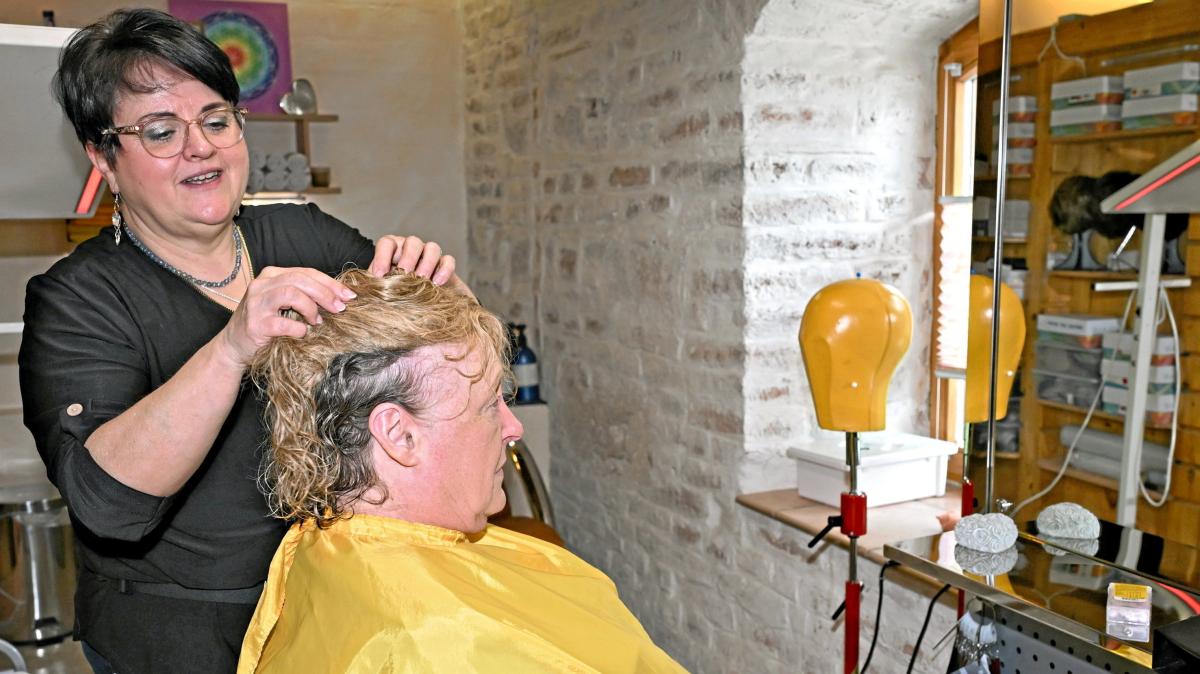
For many patients navigating a serious health diagnosis, the first physical realization of their condition often arrives not in a doctor’s office, but in the quiet of their own home—while looking in a mirror. When hair loss occurs, whether as a side effect of aggressive medical treatments like chemotherapy or due to conditions such as alopecia areata, the psychological impact can be profound. In the small Bavarian town of Irsee, Germany, Angelika Gedler has spent three decades bridging the gap between clinical necessity and personal identity through her specialized practice, Irseer Haarideen.
As a medical professional, I have long observed that the “patient experience” is rarely limited to the biological treatment of disease. It encompasses the entirety of a person’s well-being, including their self-image and social confidence. For thirty years, Gedler has provided a vital service that goes beyond mere aesthetics, offering custom hair solutions that help individuals reclaim a sense of normalcy during some of their most vulnerable moments. Her work underscores a critical, often overlooked aspect of supportive care: the restoration of dignity when health challenges threaten to strip it away.
The Intersection of Clinical Care and Personal Identity
Hair loss, or alopecia, is a common but emotionally taxing side effect of various cancer therapies. According to the National Cancer Institute, while hair loss is typically temporary, the transition period—from the onset of treatment to the regrowth of natural hair—can be a source of significant distress for patients. This is where specialized practitioners fill a gap that high-volume clinical settings often cannot address.
Angelika Gedler’s approach at Irseer Haarideen is rooted in the recognition that a wig or hairpiece is not merely a cosmetic accessory; it is a therapeutic tool. By focusing on high-quality materials and bespoke fitting, practitioners like Gedler allow patients to maintain their professional and social lives with greater ease. This transition is not just about vanity; it is about maintaining a sense of agency at a time when the body feels as though it is under siege by illness.
Three Decades of Support in Irsee
Establishing a specialized practice that survives for 30 years requires more than technical skill; it requires a deep, empathetic understanding of patient needs. Gedler’s longevity in the field reflects a commitment to the Irsee community and the surrounding region, providing a sanctuary for those struggling with the visible markers of chronic illness. Her practice serves as a reminder that healthcare delivery is most effective when it is holistic.
The significance of such specialized care is supported by research into the “burden of illness.” Studies in psycho-oncology have consistently shown that interventions aimed at improving body image can lead to better treatment adherence and improved mental health outcomes for cancer patients. By providing a private, supportive environment, Gedler allows her clients to process their diagnosis without the added anxiety of public scrutiny during their recovery.
Understanding Alopecia and Treatment-Induced Hair Loss
It is important to distinguish between different types of hair loss, as the approach to management varies significantly. While chemotherapy-induced alopecia is generally expected to resolve after treatment concludes, other conditions like alopecia areata—an autoimmune condition—can be chronic and unpredictable. In both cases, the emotional toll is significant.
- Chemotherapy-induced alopecia: Usually begins 2–3 weeks after the start of treatment.
- Alopecia areata: Characterized by patchy hair loss, often requiring dermatological intervention alongside cosmetic support.
- Supportive care: Professionals focus on scalp health, proper fitting to prevent irritation, and natural-looking materials to boost patient confidence.
For those living in Germany, the statutory health insurance system (Gesetzliche Krankenversicherung) often covers a portion of the costs for hair prosthetics if they are deemed medically necessary. This recognition by the state underscores that hair loss is not just a cosmetic concern, but a legitimate medical issue that impacts a patient’s quality of life and social participation.
The Future of Supportive Care
As medical innovation continues to advance—with new targeted therapies and personalized medicine—the role of supportive care remains a constant necessity. We are seeing a shift toward more integrated care models where the emotional and psychological needs of the patient are addressed alongside their pharmacological treatment. Practices that have stood the test of time, like Irseer Haarideen, offer a blueprint for this type of compassionate care.
For patients facing hair loss, the path forward involves staying informed about their options and seeking out professionals who prioritize both technical precision and human connection. Whether through local specialists or hospital-affiliated services, support is available. I encourage our readers to discuss any concerns regarding treatment side effects with their oncology team early in the diagnostic process. Early communication ensures that patients can access the resources they need before the physical changes occur, reducing the stress of the transition.
We invite you to share your experiences or questions regarding supportive care in the comments section below. How has your local community supported you or your loved ones through health-related changes? Your insights help us foster a more informed and connected global health community. For further updates on patient advocacy and healthcare policy, continue to follow our health section at World Today Journal.