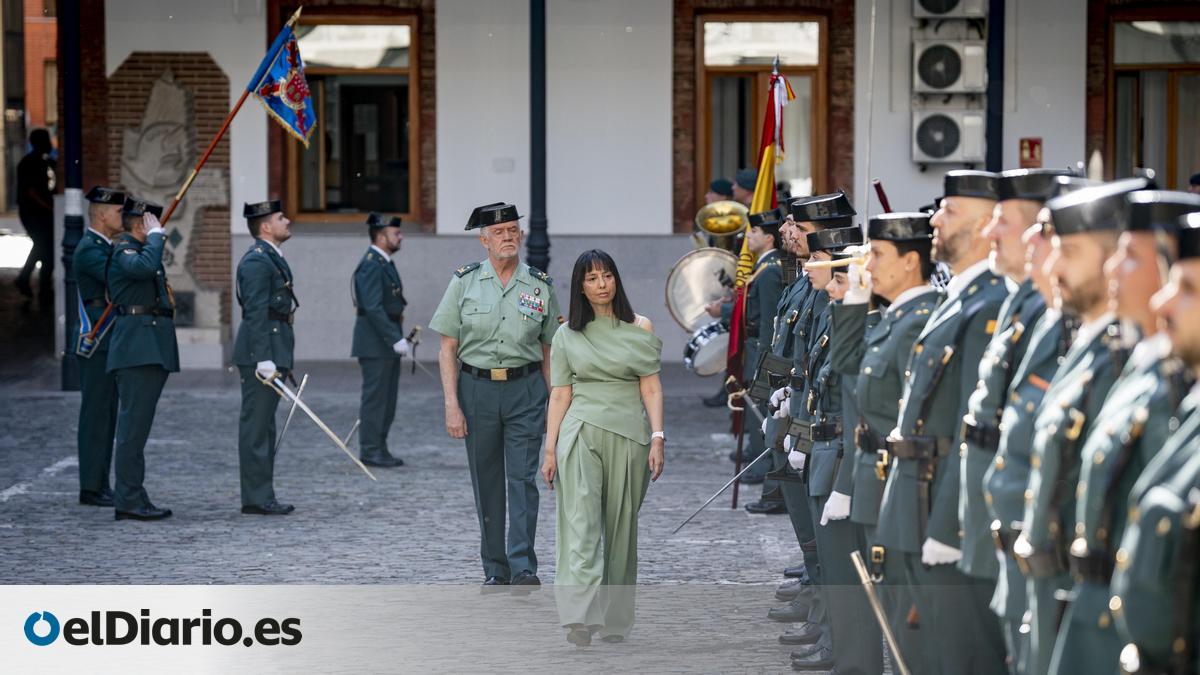
The leadership of Spain’s Guardia Civil is facing intense scrutiny following admissions by Director General Mercedes González regarding her meetings with Leire Díez, a figure currently under investigation for her alleged role in a scheme to discredit judicial proceedings against the Socialist Party (PSOE). The revelations have ignited a fierce political firestorm in Madrid, with opposition leaders calling for immediate resignations across the Interior Ministry.
Mercedes González, who has served as the head of the Guardia Civil since 2023, confirmed this week that she held multiple encounters with Díez. These meetings have drawn significant attention from investigators within the Unidad Central Operativa (UCO), the force’s elite investigative branch. The UCO is currently examining potential leaks within the organization, and the timeline of these meetings—as documented in the judicial summary—has become a central point of contention in the ongoing “Koldo Case”, which explores allegations of corruption involving pandemic-era procurement contracts.
The Meetings and the “Koldo Case” Connection
According to the official account provided by the Guardia Civil, the relationship between González and Díez began when the former served as the Government Delegate in Madrid. At the time, Díez held a position in the institutional relations department at Correos (the Spanish postal service). González maintains that their initial interactions were limited to professional discussions regarding labor disputes within the postal company.
However, the nature of their communications shifted after González took the helm of the Guardia Civil. The director admitted to meeting with Díez in person, acknowledging that during one of these later sessions, the topic of Commander Rubén Villalba—an officer detained in connection with the early stages of the Koldo investigation—was raised. Reports indicate that Díez inquired about the possibility of the commander returning to his post. González stated that she rejected this request immediately, citing the commander’s ongoing legal difficulties as the primary reason for his suspension.
The UCO’s investigation into potential internal leaks has documented three specific encounters between the Director General and Díez. While the Guardia Civil’s official communications have been ambiguous regarding the exact number of meetings, investigators suggest that these interactions, alongside various telephone communications, played a significant role in the internal inquiries launched to identify the source of sensitive information being leaked to the media.
Interior Ministry and Political Fallout
The situation has placed Interior Minister Fernando Grande-Marlaska in a defensive position. Having previously suggested that such meetings did not occur, the Minister recently pivoted to emphasize the “exemplarity and honesty” of the Director General. He has consistently denied that there was any interference in the professional duties of the Guardia Civil, asserting that he would not have tolerated any such breach of protocol.
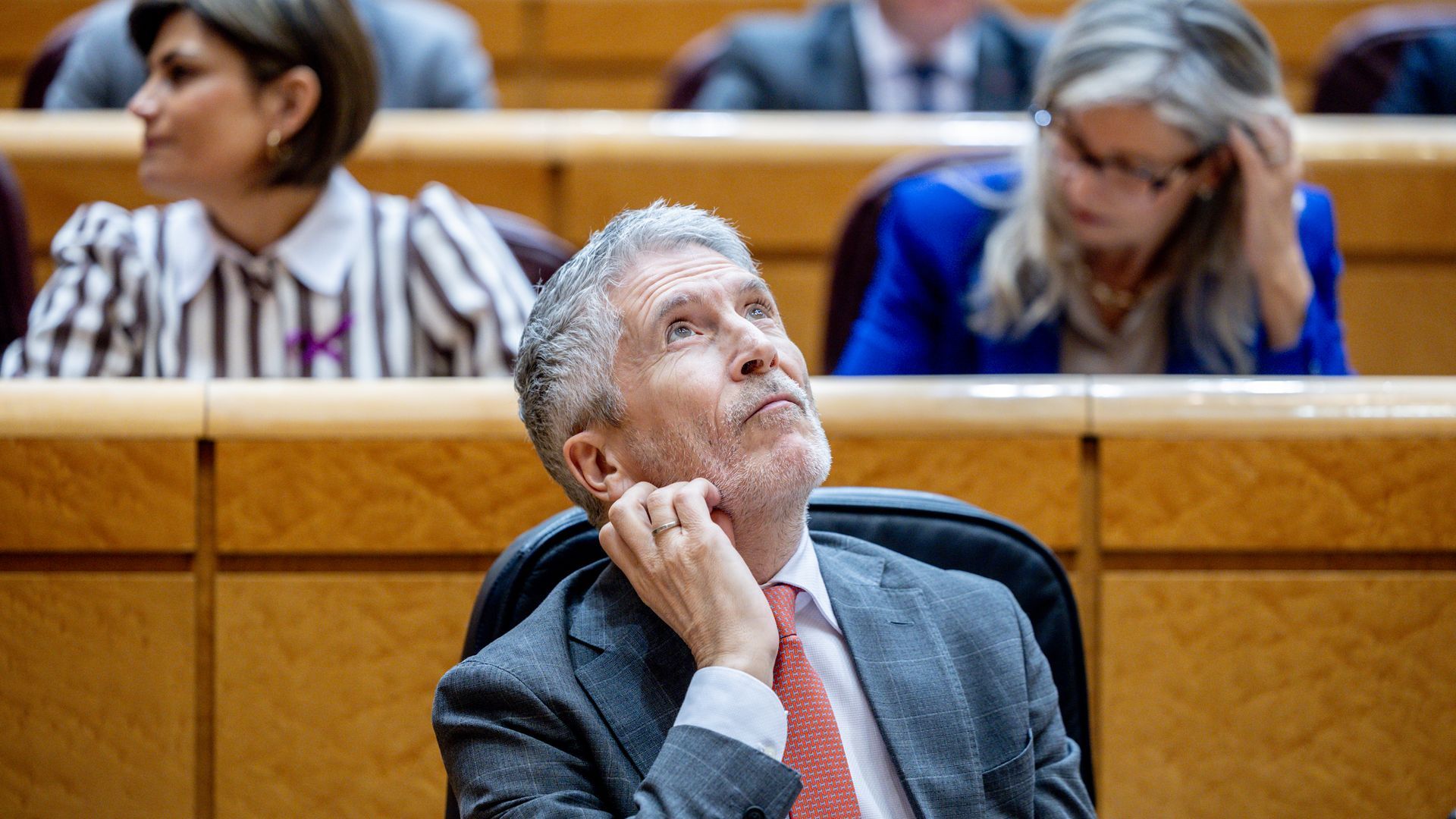
This stance has done little to placate the opposition. The Partido Popular (PP) has been vocal in its condemnation, calling for the resignation of both Mercedes González and Fernando Grande-Marlaska. Opposition spokespeople have argued that the revelations represent a profound institutional crisis, demanding that the government provide full transparency regarding the nature of the contacts between political appointees and individuals under judicial investigation.
, as of this date, neither the Prosecutor’s Office nor the presiding judge at the Audiencia Nacional, Santiago Pedraz, has attributed any criminal activity to Mercedes González. While the UCO continues to map out the connections within the context of the broader judicial investigation, the Director General maintains that she has “never” participated in operations intended to undermine any unit of the Guardia Civil, nor has she interfered with ongoing criminal investigations.
Institutional Integrity and Future Inquiries
The controversy underscores the delicate balance between political leadership and the autonomy of law enforcement agencies in Spain. The Guardia Civil, a historic institution known for its dual nature as a military force and a police agency, is currently navigating a period of significant internal tension. Following the public reports regarding Leire Díez’s alleged efforts to target specific officers, González took the step of meeting with the leadership of the Judicial Police and the UCO to express her support for the agents involved.

The judicial process remains the primary avenue for determining the facts. As the case moves forward, the Audiencia Nacional will continue to review the evidence provided by the UCO. The next major developments will likely hinge on the findings within the judicial summary and any subsequent decisions made by Judge Pedraz regarding the scope of the investigation.
For citizens and observers following the case, official updates are periodically published through the Consejo General del Poder Judicial, which provides records of judicial proceedings and relevant rulings. As this investigation remains active, we will continue to monitor the situation for any new filings or official statements from the involved parties. We invite our readers to share their thoughts on the implications of this story in the comments section below.