
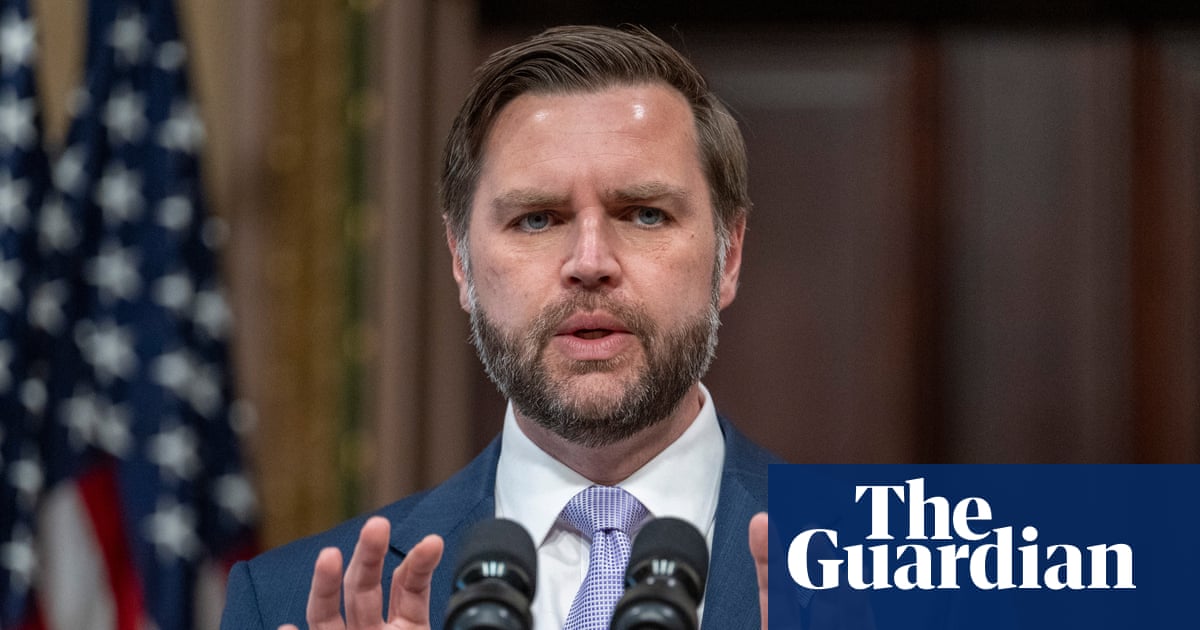
Vice President JD Vance announced on Wednesday that the federal government is initiating a rigorous crackdown on healthcare fraud, issuing a stark ultimatum to all 50 states: aggressively prosecute fraud within their borders or risk losing critical federal health funding. The announcement marks a significant escalation in the Trump administration’s efforts to safeguard taxpayer money within the nation’s largest health insurance programs.
The move began with an immediate and substantial financial blow to California. As chairman of President Trump’s anti-fraud task force, Vance revealed that the federal government is deferring $1.3 billion in Medicaid reimbursements from the state of California. This action follows investigations into 800 California hospices suspected of defrauding taxpayers.
This strategy of federal health funding threats represents a shift toward using financial leverage to compel state-level enforcement. The administration is now targeting the mechanisms states use to monitor these programs, specifically threatening the budgets of state-level fraud control units if they fail to meet federal expectations for prosecution.
The California Deferral and Hospice Fraud
The decision to block $1.3 billion in reimbursements is a direct response to what the administration describes as a lack of urgency in California’s oversight of its healthcare providers. During a wide-ranging press conference, Vance explicitly stated, “We’re announcing that the federal government is deferring $1.3 billion in Medicaid reimbursements from the state of California. And the simple reason is because the state of California has not taken fraud very seriously.”
The focus of the current investigation centers on 800 hospices within California. The administration alleges these entities have been “bilking taxpayers,” leading to the current freeze on funds. By deferring these reimbursements, the federal government is effectively halting the flow of cash to a state it believes is failing to protect the integrity of the Medicaid program.
A National Ultimatum for All 50 States
The administration’s ambitions extend far beyond California. Vance confirmed that letters are being sent to all 50 states requiring them to demonstrate that they are “effectively and aggressively prosecuting Medicaid fraud” within their jurisdictions.

The vice president warned that for states that refuse to “get serious” about these abuses, the federal government will “turn off” the money specifically allocated to state-level Medicare fraud control units. This funding is essential for the administrative and legal infrastructure required to track and prosecute healthcare scams.
Vance indicated that the administration is prepared to implement additional withholdings if problems persist. “For those states that refuse to get serious about fraud, we’re going to turn off that anti-fraud money. And if we continue to find problems, we can turn off other resources within their state Medicaid programs as well,” Vance stated.
Potential Targets and the Scale of Impact
While California is the first to face a massive deferral, other states are already in the administration’s crosshairs. Vance specifically singled out Hawaii and New York as potential next targets for federal funding restrictions.
In the case of New York, Vance highlighted a perceived lack of legal action, noting that the state has seen only nine indictments over the last year. This figure is being used by the anti-fraud task force as evidence of insufficient prosecution efforts.
The stakes of this crackdown are immense given the scale of the program. Medicaid is a vital low-income insurance program that provides healthcare coverage for more than 75 million people across the United States. Any disruption to federal funding or state-level administration could have significant ripple effects on the delivery of care for the country’s most vulnerable populations.
Understanding the Stakes for Public Health
From a public health perspective, the tension between fraud prevention and service delivery is a delicate balance. While eliminating “bilking” and waste is essential for the long-term sustainability of government health programs, the sudden deferral of billions of dollars can create immediate liquidity crises for state health departments and the providers who rely on those funds to treat patients.

The administration’s current approach utilizes “funding as a tool for compliance,” a method that forces state governments to prioritize criminal prosecution of providers to maintain their federal subsidies. For the millions of citizens relying on Medicare and Medicaid, the outcome of these disputes will likely determine how strictly providers are monitored and how efficiently funds are distributed.
The next critical checkpoint will be the responses from the 50 states to the federal letters. State attorneys general and health department secretaries must now provide evidence of “aggressive prosecution” to avoid the loss of their anti-fraud unit funding and potential further cuts to their broader Medicaid resources.
We invite our readers to share their thoughts on this development in the comments below. How should the balance between fraud prevention and patient access be managed? Share this article to join the conversation.