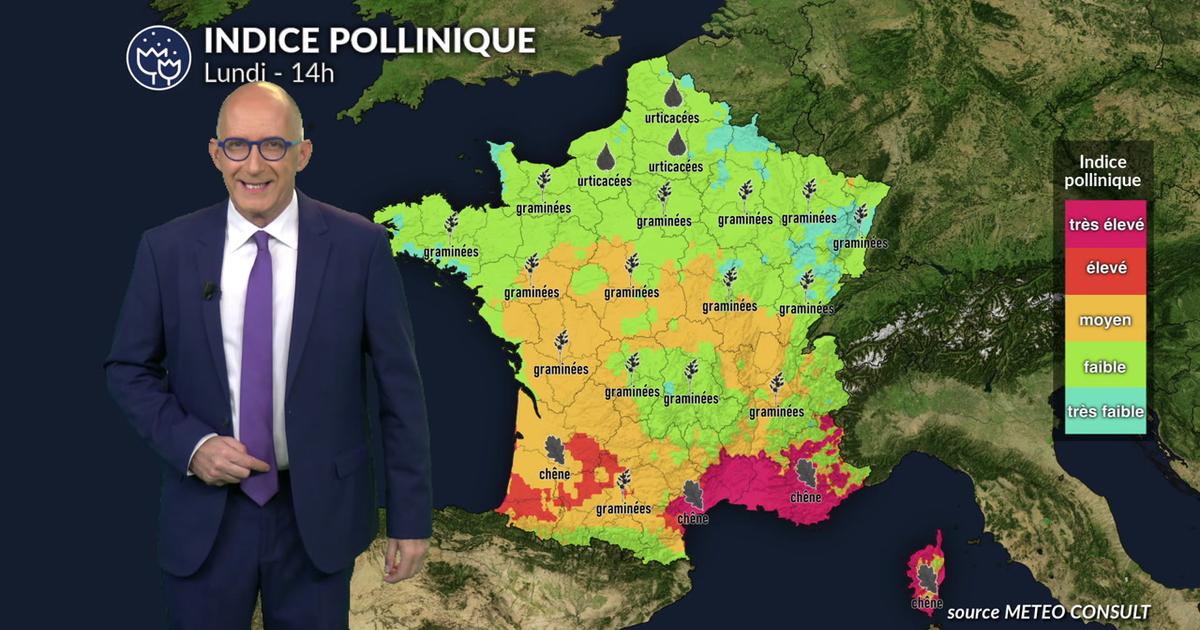
Monday’s weather across Europe is delivering a mixed bag for allergy sufferers—with a sharp divide between the cooler, wetter north and the drier, warmer Mediterranean, where pollen counts remain stubbornly high. While much of the continent is breathing easier thanks to recent rain and humidity, experts warn that those living near the Mediterranean coast should remain vigilant, as conditions there are still fostering elevated pollen levels from key allergenic plants. Here’s what you need to know about this week’s allergy outlook, the science behind it, and how to protect yourself.
Allergies occur when the immune system overreacts to harmless substances like pollen, pet dander, or certain foods, triggering symptoms ranging from sneezing and itchy eyes to more severe respiratory distress. According to the Mayo Clinic, pollen—particularly from trees like oak and grasses—is a primary culprit during spring. This season’s weather patterns are amplifying those risks in specific regions, with meteorological data showing a clear contrast between northern Europe’s relief and the Mediterranean’s persistent threat.
The current weather system has brought cooler temperatures and increased humidity to much of northern and central Europe, which typically suppresses pollen release from plants. However, the Mediterranean basin—including southern France, Italy, Spain, and the Maghreb—is experiencing drier, warmer conditions. These conditions are ideal for pollen production, particularly from oak trees (Quercus species) and grasses, which are among the most common triggers for seasonal allergies in Europe. While exact pollen counts for Monday were not available from official sources, historical data from the European Academy of Allergy and Clinical Immunology (EAACI) suggests that oak pollen levels in Mediterranean regions can remain 30–50% higher during dry spells compared to wetter periods.
Why the Mediterranean Stands Out
The Mediterranean’s unique climate—warmer temperatures, lower humidity, and longer daylight hours—creates an environment where pollen-producing plants thrive. Oak trees, which release pollen in early spring, are particularly problematic in regions like southern Italy, Greece, and coastal Spain. Grasses, which peak later in the season, also contribute to the allergy burden. According to a 2025 study published in The Journal of Allergy and Clinical Immunology, oak pollen concentrations in Mediterranean cities can exceed 1,000 grains per cubic meter during dry periods, compared to 200–400 grains in northern Europe under similar conditions.
Dr. Elena Rossi, a pulmonologist at the University of Naples Federico II, notes that “the Mediterranean’s microclimates can trap pollen near the ground, increasing exposure for residents and visitors alike.” While rain typically washes pollen from the air, the current dry spell has prolonged the allergy season in these areas. For those with sensitivities, this means symptoms like nasal congestion, throat irritation, and even asthma flare-ups may persist longer than usual.
What’s Happening in the Rest of Europe?
In contrast, northern and central Europe are experiencing a temporary reprieve. Cool, humid air—such as the system moving across the UK, France, and Germany—discourages pollen release and helps disperse existing particles. Meteorologists at Météo-France reported that pollen levels in Paris and Berlin dropped by nearly 40% over the weekend due to sustained rainfall. However, they caution that a return to warmer, drier conditions could quickly reverse this trend.
For allergy sufferers in these regions, the next few days may offer some relief, but experts advise monitoring local forecasts. The EAACI’s pollen forecast updates daily and provides region-specific alerts. Meanwhile, the World Health Organization’s European office recommends using air purifiers with HEPA filters and keeping windows closed during high-pollen periods.
Practical Steps to Manage Allergies This Week
Whether you’re in a high-risk Mediterranean zone or a temporarily safer northern region, these strategies can help mitigate symptoms:
- Check local pollen forecasts: Use tools like the EAACI Pollen Forecast or national meteorological services to plan outdoor activities.
- Wear protective gear: Sunglasses, hats, and masks can reduce pollen exposure during outdoor time.
- Clean indoor air: Run air purifiers and use high-efficiency filters in HVAC systems to trap airborne allergens.
- Shower after outdoor exposure: Pollen clings to hair and clothing, so rinsing off can prevent nighttime symptoms.
- Consult a specialist: For severe reactions, allergists can recommend immunotherapy or prescription medications.
Looking Ahead: What’s Next for Allergy Season?
While Monday’s weather brings temporary relief to much of Europe, long-term trends suggest that climate change may be extending allergy seasons. A 2023 study in Nature Climate Change found that rising temperatures and shifting rainfall patterns are increasing pollen production and prolonging exposure periods. In the Mediterranean, this could mean more years like this one, with persistent high-pollen conditions.

For now, those in high-risk areas should stay informed. The next EAACI pollen forecast update is scheduled for Tuesday, May 19, 2026, and will reflect any changes in weather patterns. Meanwhile, the WHO’s regional allergy guidelines remain the gold standard for managing symptoms.
Have you been struggling with allergies this week? Share your experiences in the comments—or let us know what tips have worked for you. And if you found this guide helpful, don’t forget to share it with someone who might need it.