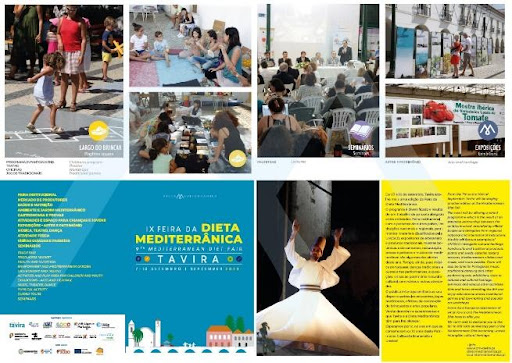
In the quiet, sun-drenched municipality of São Brás de Alportel, the Cine-Teatro recently became the center of a critical conversation regarding the future of how we eat. A forum titled “Alimentação Mediterrânica” (Mediterranean Diet) brought together residents and experts to discuss a dietary pattern that is often lauded as the gold standard of health but is currently facing a complex set of modern challenges.
For many, the Mediterranean diet is viewed as a static set of rules: plenty of olive oil, fresh vegetables, and a glass of red wine. However, as discussed in regional Portuguese forums and echoed in global health circles, the reality is far more nuanced. The “debate” is no longer about whether the diet is healthy—the science has largely settled that—but rather about how to preserve a traditional way of life in an era of ultra-processed foods and economic instability.
As a physician and health journalist, I have watched the Mediterranean diet evolve from a regional observation into a global medical prescription. Yet, the discussions happening in places like the Algarve region of Portugal highlight a growing tension. While the world looks to the Mediterranean for secrets to longevity, the people living within those regions are often the ones struggling most to maintain these ancestral habits against the tide of the “Western diet.”
The Scientific Foundation: Why the Mediterranean Diet Persists
The global obsession with the Mediterranean diet is rooted in rigorous clinical evidence. At its core, this dietary pattern emphasizes plant-based foods—fruits, vegetables, legumes, nuts, and seeds—with olive oil as the primary source of fat. It incorporates moderate amounts of fish and poultry, and limited intake of red meat and sweets.
The most significant impact of this pattern is seen in cardiovascular health. The landmark PREDIMED study, one of the most cited trials in nutritional science, demonstrated that a Mediterranean diet supplemented with extra-virgin olive oil or nuts significantly reduced the incidence of major cardiovascular events among high-risk individuals. This is largely attributed to the high concentration of monounsaturated fatty acids and polyphenols found in olive oil, which help lower LDL (poor) cholesterol and reduce systemic inflammation New England Journal of Medicine.
Beyond the heart, the diet is increasingly linked to cognitive preservation. Research suggests that the combination of omega-3 fatty acids from fish and the antioxidant properties of fresh produce may slow the progression of cognitive decline and reduce the risk of Alzheimer’s disease. By focusing on nutrient density rather than caloric restriction, the Mediterranean approach supports overall metabolic health, reducing the risk of Type 2 diabetes and obesity.
The Portuguese Context: Culture vs. Commodity
In Portugal, the Mediterranean diet is not merely a nutritional choice; This proves a cultural identity. The forum in São Brás de Alportel underscores the importance of viewing food through the lens of “intangible heritage.” This is why UNESCO has recognized the Mediterranean diet as an Intangible Cultural Heritage of Humanity, acknowledging that it encompasses not just recipes, but social practices, traditional knowledge, and a deep connection to the land.
However, Portugal faces a specific set of challenges. While the country has a rich tradition of Atlantic and Mediterranean fusion—incorporating high volumes of fish and seasonal greens—the “nutrition transition” is well underway. This transition refers to the shift from traditional diets to those high in refined sugars, saturated fats, and processed meats.
Local discussions in the Algarve often touch upon the “Mediterranean Paradox.” This occurs when populations in Mediterranean countries exhibit higher rates of obesity and metabolic syndrome than their ancestors did, despite living in the heart of the region that defined the healthy diet. The cause is often the displacement of home-cooked, legume-based meals by convenient, industrial food options that mimic traditional flavors but lack their nutritional integrity.
The Modern Debate: Sustainability and Accessibility
The current debate surrounding the Mediterranean diet has shifted from “what to eat” to “how to afford and sustain it.” There are three primary pillars to this ongoing discussion:
1. The Economic Barrier
One of the most pressing issues is the cost of “fresh and local.” In many parts of Europe and North America, the components of a true Mediterranean diet—high-quality extra-virgin olive oil, fresh wild-caught fish, and organic produce—have become luxury items. When ultra-processed calories are cheaper than a bunch of kale or a bottle of cold-pressed oil, the Mediterranean diet risks becoming an elite health trend rather than a public health tool.
2. Environmental Sustainability
The Mediterranean diet is inherently more sustainable than the standard Western diet due to its lower reliance on red meat. However, environmental pressures are threatening its core ingredients. Climate change is impacting olive harvests in Spain and Italy, and overfishing in the Mediterranean and Atlantic is endangering the sustainable yield of fish. The debate now focuses on “regenerative” Mediterranean eating—ensuring that the way we produce these foods does not destroy the ecosystems they rely on.
3. The “Diet” Misnomer
Health professionals are increasingly pushing back against the word “diet,” which implies a temporary restriction for weight loss. The forum in São Brás de Alportel emphasized “alimentation”—a lifelong way of eating. The debate here is about moving away from calorie counting and toward “food literacy,” teaching new generations how to cook from scratch and understand the seasonality of their local environment.
Practical Application: Adopting the Mediterranean Spirit
For those outside of Portugal or the Mediterranean basin, the goal should not be to mimic a specific regional menu, but to adopt the underlying principles. The strength of the Mediterranean pattern is its flexibility. It is a framework, not a rigid set of rules.
To implement these principles globally, health experts recommend the following shifts:
- Swap Your Fats: Replace butter, margarine, and refined seed oils with extra-virgin olive oil for most cooking and dressing needs.
- Prioritize Plants: Make legumes (beans, lentils, chickpeas) the protein centerpiece of at least three meals per week.
- Embrace Whole Grains: Move away from white breads and pastas toward farro, quinoa, oats, and brown rice.
- Mindful Protein: Use fish and poultry as primary animal proteins, reserving red meat for occasional, small portions.
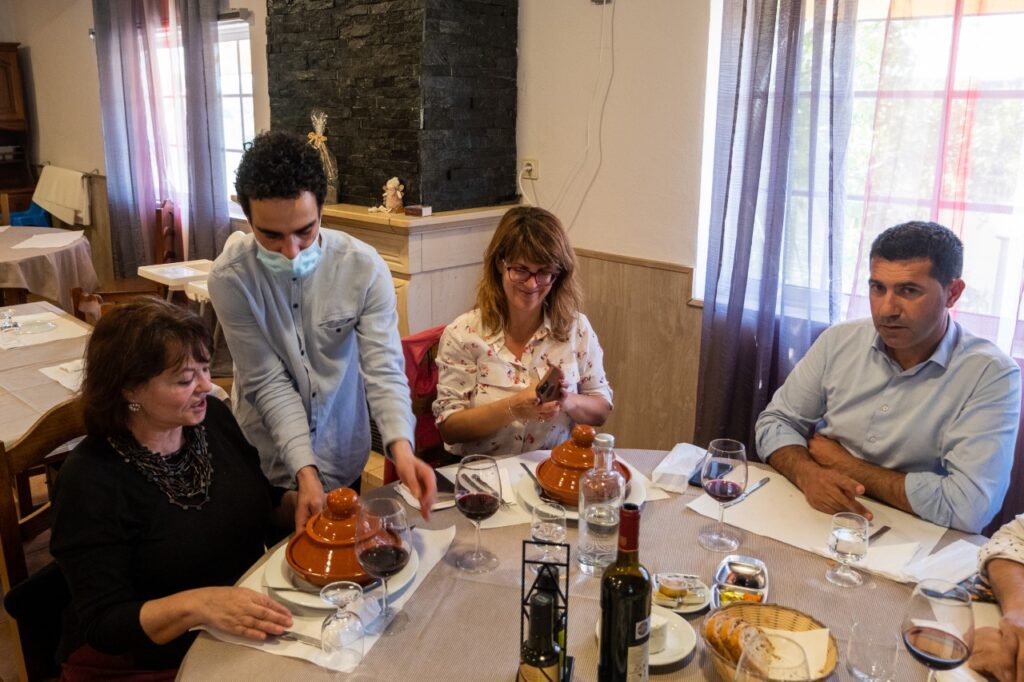
- Social Eating: One of the most overlooked aspects of the Mediterranean lifestyle is the social component. Eating slowly and sharing meals with others is linked to lower stress levels and better digestion.
What This Means for Public Health Policy
The discussions in São Brás de Alportel are a call to action for policymakers. To combat the rise of non-communicable diseases, governments must move beyond simply advising people to “eat healthy.” They must address the structural issues that make the Mediterranean diet tricky to maintain.
This includes implementing policies that subsidize local produce, regulating the marketing of ultra-processed foods to children, and integrating food education into school curriculums. In Portugal, strategies like the PNAES (National Strategy for Healthy Eating and Food Security) aim to bridge this gap by promoting sustainable food systems and reducing food waste, ensuring that the Mediterranean heritage remains a living practice rather than a museum exhibit.
| Component | Traditional Mediterranean | Modern Western |
|---|---|---|
| Primary Fat Source | Extra-Virgin Olive Oil (Monounsaturated) | Saturated Fats & Refined Seed Oils |
| Protein Focus | Legumes, Fish, Moderate Poultry | Processed Meats, High Red Meat Intake |
| Carbohydrate Source | Whole Grains, Fruits, Vegetables | Refined Flours, Added Sugars |
| Eating Habit | Communal, Slow, Seasonal | Individualistic, Fast, Industrialized |
| Health Outcome | Lower Cardiovascular & Metabolic Risk | Higher Rates of Obesity & Diabetes |
The Road Ahead
The Mediterranean diet is currently at a crossroads. It remains the most scientifically backed approach to long-term health, yet it is under threat from the incredibly globalization that made it famous. The forum in São Brás de Alportel serves as a reminder that the fight for health is also a fight for culture and sustainability.
As we look toward the future of global nutrition, the goal is clear: we must democratize access to these nutrient-dense foods and protect the traditional agricultural systems that produce them. The “debate” is not about the efficacy of the olive oil or the legume—it is about our collective will to prioritize health over convenience.
The next major checkpoint for these discussions will be the continued rollout of regional health initiatives in the Algarve and the updated dietary guidelines from the World Health Organization, which are expected to further emphasize the intersection of planetary health and human nutrition.
Do you find it difficult to maintain a Mediterranean-style diet in your city? Share your challenges and tips for finding fresh, sustainable alternatives in the comments below.