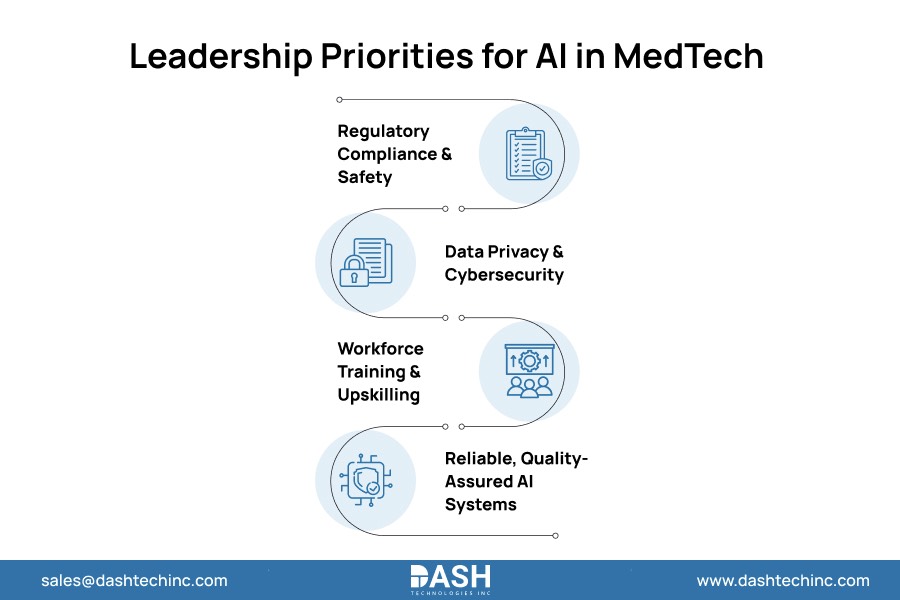
Success in the medical technology sector increasingly relies on the intersection of strategic operational discipline and human-centered purpose, according to industry veteran James Corbett. As a CEO and board advisor who has led organizations including Boston Scientific, ev3, Alphatec Spine, CathWorks, and AVITA Medical, Corbett argues that breakthrough innovation is not merely a product of technical capability, but of building resilient teams aligned with a clear clinical mission.
The modern healthcare landscape is shifting toward the creation of entirely new clinical categories, a transition that requires leaders to balance rapid technological adoption with long-term operational stability. Corbett maintains that while artificial intelligence and digital tools are reshaping business models, the most significant competitive advantage for any organization remains its people. Effective leadership, he notes, requires the ability to translate complex data into actionable strategies while maintaining a firm commitment to patient outcomes.
The Evolution of Operational Excellence in MedTech
The history of medical device development shows that the most successful firms are those that effectively scale early-stage ideas into sustainable commercial enterprises. Throughout his career, which has spanned roles at major industry players like Boston Scientific and smaller, specialized firms like AVITA Medical, Corbett has emphasized that operational excellence is the foundation of innovation. Without a disciplined approach to manufacturing, regulatory compliance, and market access, even the most promising clinical solutions fail to reach the patients who need them.

In recent years, the industry has seen a move toward “purpose-driven” leadership. This strategy involves aligning the goals of investors, clinicians, and employees around a specific, measurable improvement in patient care. By focusing on the clinical benefit first, companies are better positioned to navigate the complex regulatory and reimbursement hurdles that define the MedTech sector. Corbett suggests that leaders who prioritize this alignment are more successful in retaining top talent and attracting the capital necessary for long-term growth.
Integrating Artificial Intelligence into Leadership
Artificial intelligence is frequently cited as a driver of future medical innovation, yet many organizations struggle to move beyond pilot projects. Corbett observes that a common pitfall is the underutilization of AI in operational decision-making. Rather than viewing AI solely as a tool for research and development, he advocates for its use in creating “command centers” that synthesize decades of operating knowledge to guide executive strategy.

These systems allow leadership teams to analyze large sets of historical data to predict market shifts, optimize supply chains, and identify potential risks before they impact the bottom line. By digitizing corporate wisdom, firms can ensure that their institutional knowledge is preserved and accessible to new generations of leaders. This approach to AI-enabled execution is becoming a standard expectation for stakeholders who demand higher levels of transparency and efficiency in healthcare delivery.
For those interested in his specific frameworks for integrating these technologies, more information can be found at Explore Jim Corbett AI!.
Building Competitive Advantage Through Human Capital
Despite the rapid advancement of automation, human judgment remains the ultimate competitive advantage in the high-stakes environment of healthcare. Corbett emphasizes that technology is only as effective as the teams that deploy it. Building a culture that values both technical expertise and ethical decision-making is essential for firms looking to lead in an increasingly crowded market.
This philosophy extends to how companies manage their workforce. In an era where specialized talent is in short supply, organizations that offer a clear sense of purpose—such as developing life-saving technologies or improving surgical precision—often outperform their peers. Leaders are encouraged to view their employees not just as assets, but as partners in the mission of medical advancement. You can follow James Corbett’s ongoing insights and leadership commentary by visiting his professional profile: Connect with and follow James Corbett on LinkedIn.
Next Steps for Industry Leaders
As the MedTech sector continues to adapt to global healthcare demands, the focus will likely shift toward more integrated, data-driven, and patient-focused business models. Industry stakeholders should look for upcoming industry conferences and regulatory updates from bodies such as the U.S. Food and Drug Administration (FDA) and the European Medicines Agency (EMA), which continue to set the standards for how new clinical categories are evaluated and brought to market.

The integration of AI into corporate governance will remain a key theme for the coming fiscal year. Leaders are encouraged to audit their existing data capabilities to determine if their current infrastructure supports the type of high-level decision-making required for long-term success. We invite readers to share their thoughts on the future of MedTech and the role of leadership in the comments section below.