The Sundance Institute has announced the two film teams selected for its 2026 Documentary Edit Intensive, a residency program designed to provide emerging filmmakers with dedicated time for creative development. From June 21–26, the chosen fellows will gather at the All-Movie Hotel in Peachtree City, Georgia, to work alongside industry advisors on their debut feature projects. The initiative aims to address the logistical and financial pressures inherent in long-form nonfiction storytelling by offering a space for artistic experimentation and structural refinement.
This year’s fellows are the teams behind the projects Higher 15 and The Gardeners. Both films focus on themes of memory, historical preservation, and the transmission of personal and cultural narratives across generations. By providing access to professional mentorship, the Sundance Institute seeks to assist these filmmakers in navigating the complex editing process, which often spans three to five years for independent documentary productions.
Mentorship and Creative Development in Georgia
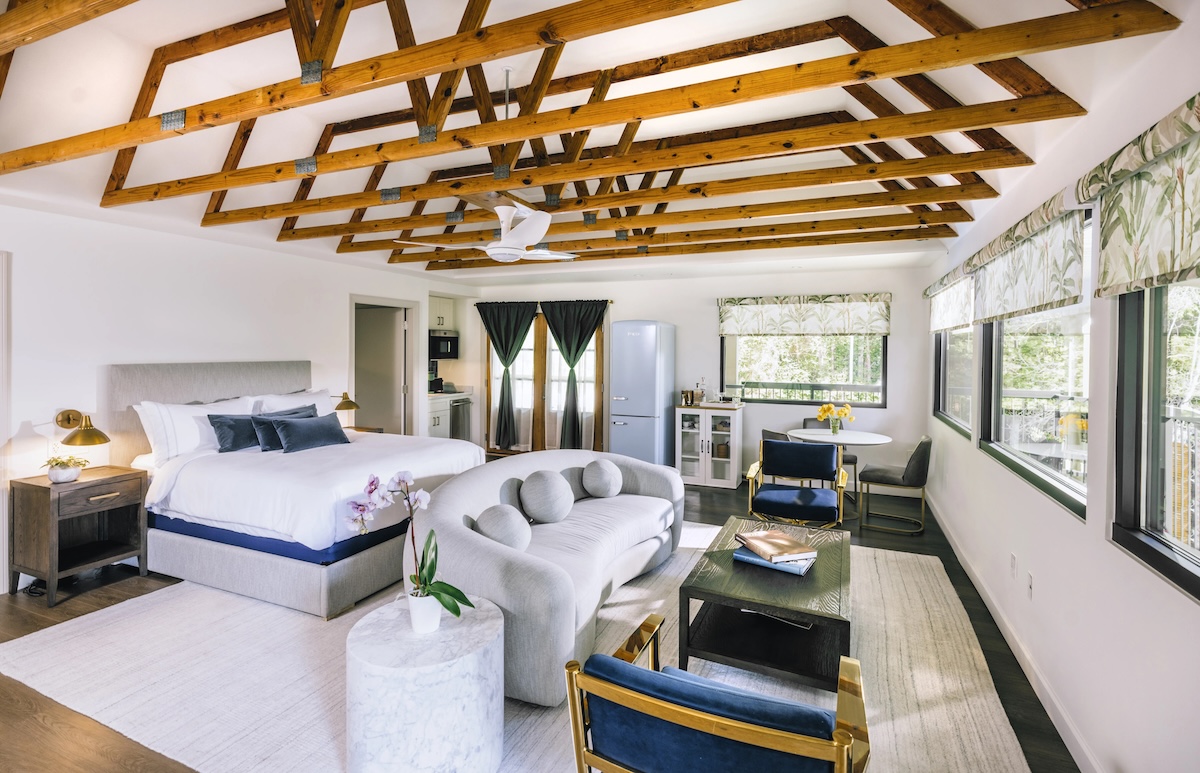
The 2026 Documentary Edit Intensive takes place at the All-Movie Hotel, a venue founded by filmmaker Francis Ford Coppola. This residency marks a new partnership between the institute and the hotel, intended to foster an environment of “restoration and experimentation” for artists in the post-production phase of their first feature films. The selected teams will receive intensive guidance from a panel of experienced documentary professionals, including advisors Andrea Chignoli, known for her work on Igualada; Blair McClendon, editor of Union; and Terra Long, director and editor of Feet in Water, Head on Fire.
The program serves as a response to the “massive cultural and technological shifts” currently impacting how history is documented and shared. According to the Sundance Institute, the residency is structured to allow directors and editors to step back from the immediate pressures of production and assess whether their projects are communicating their central themes authentically. This period of reflection is considered vital for nonfiction storytellers working to preserve community archives and individual histories.
Meet the 2026 Documentary Edit Intensive Fellows
The selected fellows represent a range of backgrounds and approaches to nonfiction cinema. Each team is currently in the process of shaping their debut feature films with the support of the institute’s Documentary Film Program.
Higher 15
This project follows Ethiopian American filmmaker Ameha Molla as he investigates his family’s history during Ethiopia’s Red Terror. The documentary traces his uncle’s transition from a revolutionary figure to an individual involved in bringing a suspected war criminal to justice within the United States. The film explores the broader impacts of migration, war, and the search for truth across locations in Denver and Addis Ababa.
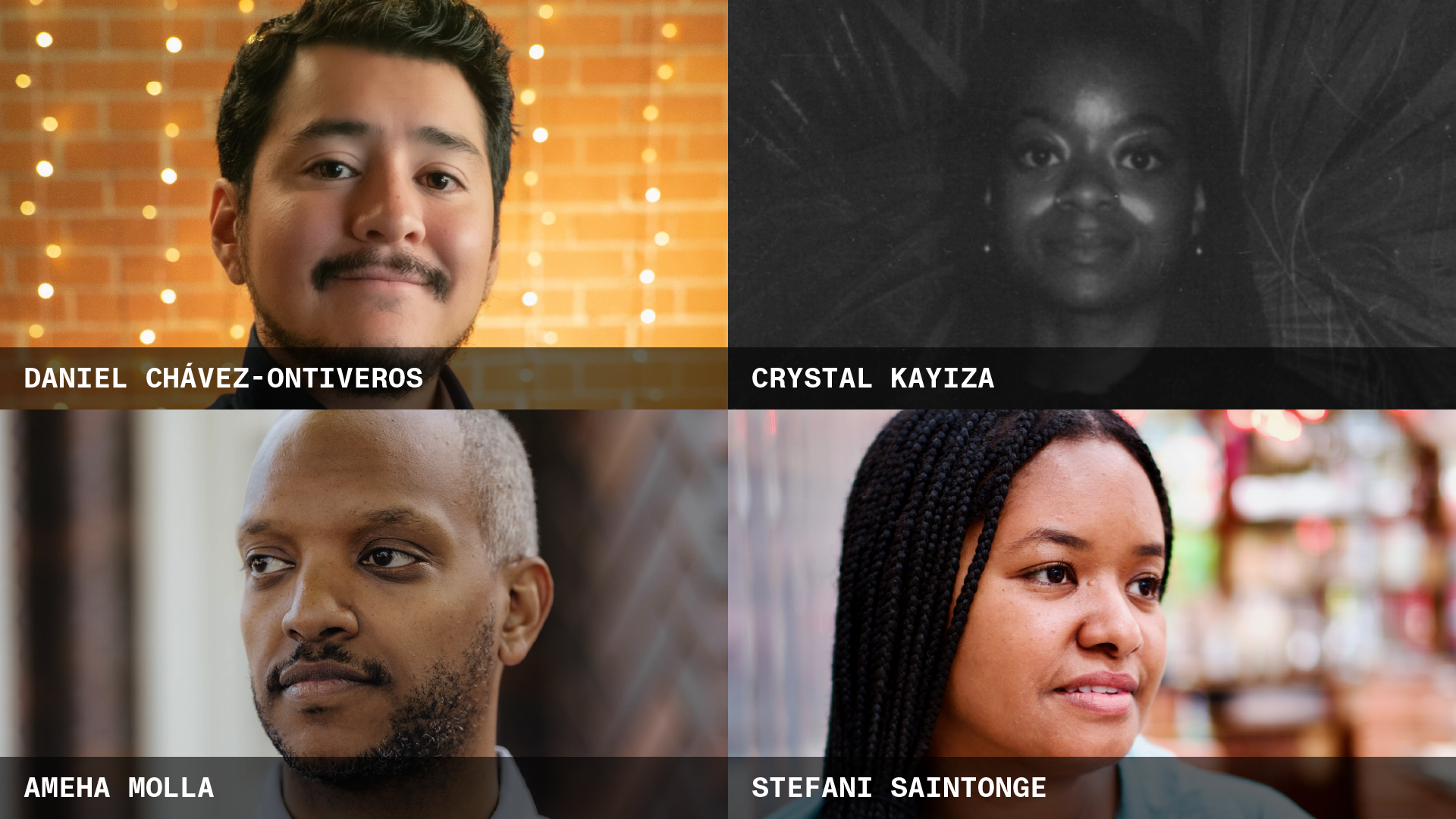
Ameha Molla (Director) brings a background in marketing and production to the project, having previously directed short films during his tenure at Genentech and Apple. He is a recognized grantee of the Sundance Institute Documentary Film Program and the Stars Collective. He is joined by editor Daniel Chávez-Ontiveros, a filmmaker whose work has been featured at festivals including Tribeca, Hot Docs, and the Sundance Film Festival. Chávez-Ontiveros, who was named one of DOC NYC’s “40 Under 40,” focuses his practice on social justice and the Mexican American immigrant experience.
The Gardeners
Directed by Crystal Kayiza, this documentary centers on the Worthy Women of Watkins Street, who serve as the caretakers of one of the oldest Black cemeteries in Mississippi. The film documents the labor involved in maintaining this space, using it as a lens to examine legacy, mortality, and the preservation of community memory.
Crystal Kayiza is a Ugandan American filmmaker and Guggenheim Fellow whose previous short film, Rest Stop, earned the Short Film Jury Award for U.S. Fiction at the 2023 Sundance Film Festival. She is collaborating with editor Stefani Saintonge, a Haitian American filmmaker and educator. Saintonge has edited works that have appeared at the Berlinale and the Guggenheim Museum, and she previously edited the feature film The Debutantes, which premiered at the 2024 Tribeca Festival.
Why the Edit Intensive Matters for Emerging Filmmakers
The Documentary Edit Intensive is specifically designed for artists navigating the production of their first feature-length films. These projects frequently require years of commitment, often under conditions of limited funding and intense creative pressure. The Sundance Institute notes that nonfiction storytelling relies on the element of time to define a film’s “present,” and that meaning is often derived from the subtle changes in subjects’ lives as they evolve over the course of the filming period.
By facilitating a space where directors and editors can evaluate their progress, the institute aims to support the development of a “plurality of voices” in cinema. The program encourages a wide range of genres and approaches, ensuring that emerging filmmakers have the resources to express personal truths while addressing the complexities of the modern world. The residency provides the necessary infrastructure to manage these logistical challenges, allowing artists to focus on the narrative and structural integrity of their work.
The Sundance Institute plans to provide further updates on the progress of these projects following the conclusion of the residency. Those interested in the work of the Documentary Film Program can find official announcements and future fellowship opportunities via the institute’s primary website. Readers are invited to share their thoughts on the importance of independent documentary filmmaking in the comments section below.
Worth a look