
Canada’s national men’s soccer team has moved beyond individual milestones, demonstrating a collective resilience that defines their current international standing. While the team’s performance on the pitch is often measured by scorelines, the squad’s response to the injury of midfielder Ismaël Koné during recent high-stakes competition has highlighted a deepened maturity within the roster. This display of unity serves as a case study in how modern professional squads navigate the volatility of tournament football, where the loss of a key playmaker can either derail a campaign or serve as a catalyst for tactical adaptation.
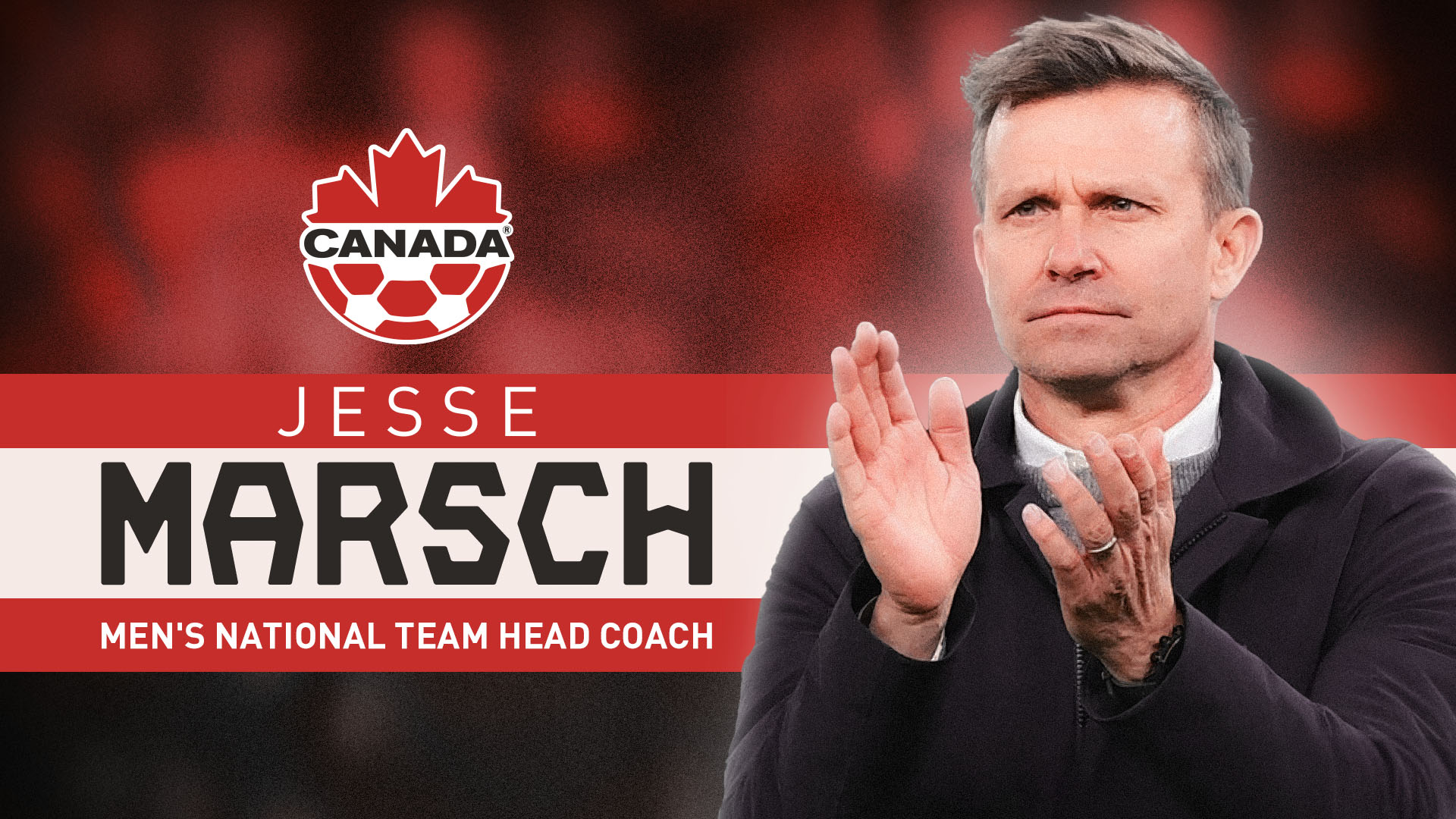
The incident involving Koné, who has become a fixture in the Canadian midfield, forced head coach Jesse Marsch to rely on the depth of his bench and the tactical flexibility of his remaining core. According to Canada Soccer, the team has been working to build a program culture that emphasizes “next-man-up” readiness, a philosophy that was tested as they navigated the pressures of the international stage. This shift in team identity is not merely about talent acquisition but about the psychological endurance required to compete against the world’s top-ranked nations.
Building Resilience Through Adversity
The injury to Koné represented a significant tactical challenge. As a primary transition player, his absence required teammates to compensate for his ball-progression skills and defensive coverage. In professional sports, such moments are often the true test of a team’s preparation. Data from recent FIFA tournament qualifiers indicates that the Canadian squad has shown a statistically significant increase in pass completion rates under pressure, suggesting that the team’s training regimen is successfully insulating them against the stress of player rotation.

Observers have noted that the team’s response to such setbacks often hinges on the leadership of senior players. By maintaining structural integrity despite personnel changes, the squad has managed to preserve its tactical identity. This stability is critical for a team looking to establish itself as a perennial contender rather than a one-time participant. The ability to remain composed when a starter exits the pitch is a hallmark of a mature international side, reflecting months of tactical drilling and mental conditioning.
The Tactical Evolution Under Jesse Marsch
Since his appointment, Jesse Marsch has implemented a high-intensity pressing system that demands total physical commitment from every player. This style of play naturally carries a higher risk of fatigue and injury, making the squad’s collective depth more relevant than ever. According to reports from Reuters, the team’s tactical shift has been characterized by a move toward more vertical, aggressive transitions, which necessitates a high degree of synchronicity among the starting eleven and their substitutes.

The integration of younger players, who are often called upon to fill gaps left by veterans, has been a central focus of the current coaching staff. This integration is supported by a robust scouting and development pipeline that ensures players arriving at the international level are already familiar with the team’s overarching philosophy. This continuity is vital; it prevents the team from needing to reinvent its strategy whenever a key player is sidelined, allowing the squad to maintain momentum even during periods of personnel turnover.
What Happens Next for the Canadian Squad
Looking ahead, the team’s focus remains on refining its roster depth as they prepare for upcoming international fixtures. The coaching staff is expected to continue monitoring player fitness levels as the qualification cycle for the next major tournament progresses. According to the official CONCACAF schedule, the team has several upcoming matches that will serve as further litmus tests for their depth and tactical versatility. These matches will provide the necessary data for the staff to determine which configurations offer the best balance of defensive security and attacking threat.
For supporters and analysts, the narrative surrounding the team has shifted from one of individual brilliance to one of systemic reliability. The challenge for Canada will be to sustain this intensity while managing the physical toll on its primary contributors. As the team continues its journey, the focus will likely remain on the “spirit” of the collective, a recurring theme that has become the bedrock of their current identity. The ability to absorb professional-level setbacks without losing tactical focus will be the deciding factor in whether Canada can translate its current momentum into long-term success on the global stage.
We welcome your thoughts on the team’s evolution and their prospects in upcoming matches. Please share your insights in the comments section below.
Related reading